
Executive Summary: The £5.2 Billion Aviation Deal
- The Agreement: EasyJet has accepted a fifth takeover proposal from US investment firm Castlelake, valued at £6.90 per share in cash, totaling £5.2 billion.
- Rejection Cycle: EasyJet board rejected four previous offers (560p, 600p, 625p, 650p per share) as opportunistic, citing temporarily depressed share prices from fuel costs and geopolitical conflict.
- EU Ownership Structure: Deal utilizes complex bidding vehicle with former easyJet COO Peter Bellew to maintain 51% EU national ownership, ensuring compliance with EU airline operating regulations.
- Investment Strategy: Castlelake manages $36 billion in assets, strategically targeting low-cost carrier sector after failed Spirit Airlines acquisition attempt in 2026.
- Shareholder Premium: Final offer represents 75% premium to easyJet's undisturbed share price before takeover rumors broke public in May 2026.
The £5.2 Billion EasyJet Takeover: When Wall Street Takes Flight
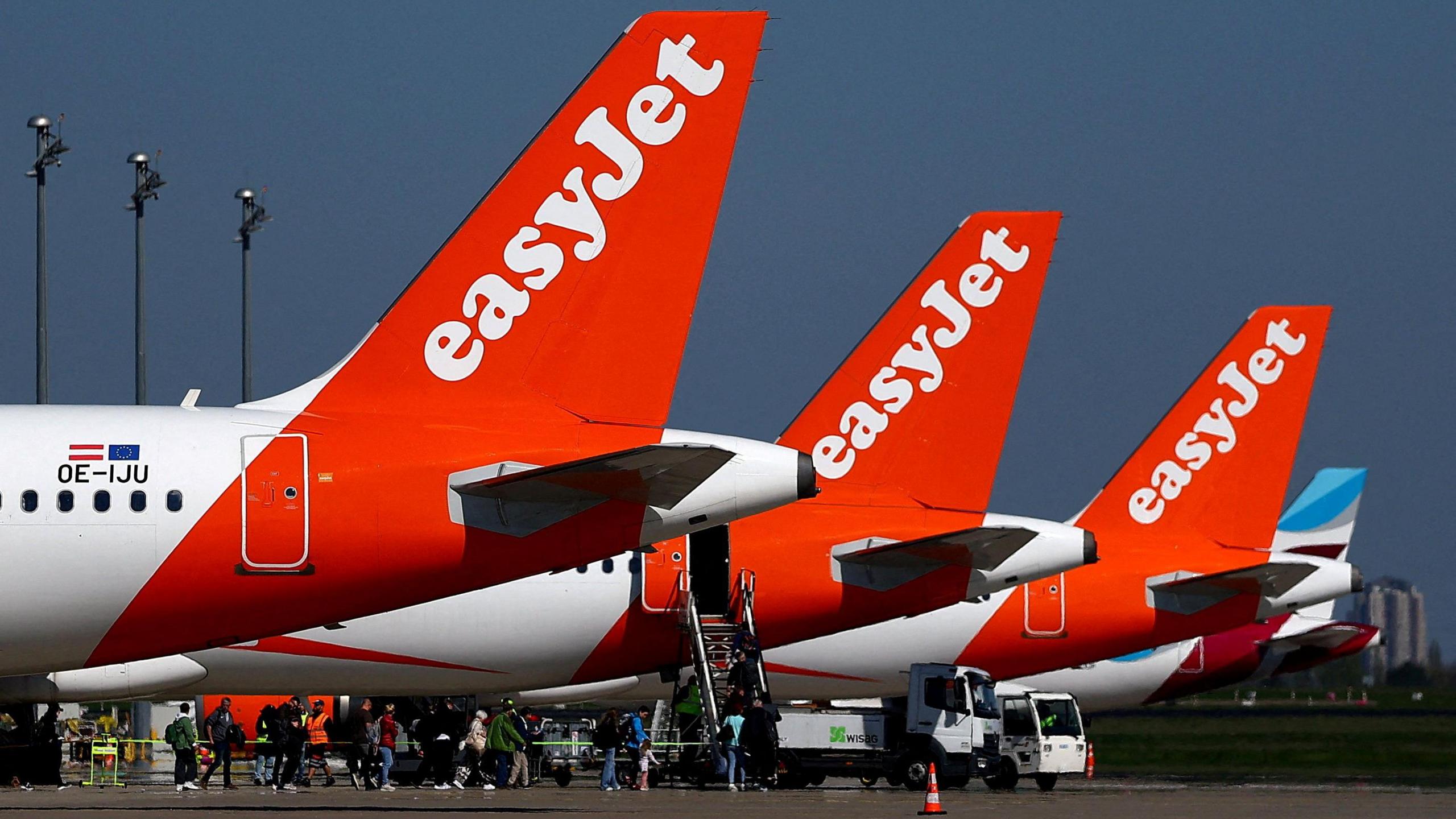
European commercial aviation shifted dramatically when easyJet officially agreed in principle to a £5.2 billion takeover offer from Castlelake LP, a United States based private credit firm. The agreement, priced at £6.90 per share in cash, brought an end to weeks of intense public maneuvering, rejected proposals, and mounting shareholder pressure demanding clarity on the airline's financial future.
For investors monitoring the volatile aviation sector in 2026, the easyJet Castlelake takeover represents one of the most significant financial consolidations in recent memory. The deal highlights how private capital increasingly capitalizes on publicly traded airlines struggling with macroeconomic pressures. Understanding this £5.2 billion aviation deal requires examining the negotiation mechanics, regulatory hurdles involving EU ownership laws, and market conditions that forced easyJet to accept.
How EasyJet Reached the £5.2 Billion Agreement
The road to agreement was notably aggressive and highly public. Prior to the accepted £6.90 per share bid, Castlelake submitted four separate proposals. Initial approach in June 2026 valued the airline at 560 pence per share. This was swiftly followed by escalating offers of 600 pence, 625 pence, and eventually 650 pence per share. The easyJet board unanimously rejected each preliminary approach.
The board's defense against earlier bids was that Castlelake attempted to acquire the airline on the cheap. EasyJet executives argued the firm's valuation models were fundamentally flawed because they relied on share prices temporarily depressed by rising aviation fuel costs and widespread booking cancellations associated with regional conflicts in the Middle East. EasyJet stock had dropped nearly 20 percent since early 2026.
"The board carefully considered this proposal and concluded that it is highly opportunistic, delivered against the backdrop of temporarily depressed share prices, and still fundamentally undervalues easyJet and its prospects."
— EasyJet Board of Directors, June 2026 Statement
When easyJet rejected the £4.7 billion proposal (625 pence per share) in late June, Castlelake took a hostile approach. The investment firm took the proposal directly to the public, publishing details to allow shareholders to evaluate the premium themselves. Castlelake noted their third proposal represented 59 percent premium over the airline's undisturbed closing price on May 28, the final trading day before takeover rumors affected the market.
Faced with strict deadlines set by the City Takeover Panel, Castlelake returned to negotiations with a final, sweetened offer. The resulting £6.90 per share bid ultimately convinced the easyJet board that the private equity firm would properly value the airline's medium-term profit targets, including delivering over £1 billion in pre-tax profits.
| Timeline | Price Per Share | Valuation | Board Response |
|---|---|---|---|
| Early June 2026 | 560 pence | £4.2 Billion | Rejected unanimously |
| Mid June 2026 | 600 pence | £4.5 Billion | Rejected unanimously |
| June 20, 2026 | 625 pence | £4.7 Billion | Rejected, taken public |
| Late June 2026 | 650 pence | £4.9 Billion | Rejected, negotiations continue |
| July 5, 2026 | 690 pence | £5.2 Billion | Agreed in principle |
Why Castlelake Targets Budget Airlines
Understanding Castlelake's strategy requires examining their broader investment approach. Managed by founder Rory O'Neill, Castlelake oversees approximately $36 billion in global assets. The firm has distinct appetite for aviation sector and proven track record navigating distressed airline assets.
Earlier in 2026, Castlelake entered advanced discussions with Spirit Airlines, an American ultra low-cost carrier facing bankruptcy. While this transaction collapsed, resulting in Spirit's failure in May, it signaled Castlelake possessed massive capital reserves ready to deploy into the budget aviation market. Castlelake previously orchestrated a financial bailout for Scandinavian Airlines, subsequently selling their shares to Air France KLM at profit.
With easyJet, Castlelake is not buying a bankrupt entity. They are acquiring one of Europe's top three low-cost carriers, trailing only Ryanair and Wizz Air. EasyJet operates 366 aircraft, having successfully transitioned to entirely Airbus operated network favoring efficient A320neo series. For a private credit firm, securing a healthy, cash-generating airline at valuations compressed by temporary geopolitical fears represents classic value investment play.
Navigating EU Airline Ownership Regulations
The most fascinating structural component of this deal is how the acquiring entity plans to satisfy stringent international regulatory laws. EasyJet retains massive operational footprint across mainland Europe through subsidiaries easyJet Europe and easyJet Switzerland. To maintain necessary EU operating licenses and flight rights, the airline must remain majority owned by EU nationals.
Because Castlelake is US-based, a direct 100 percent buyout would immediately strip easyJet of rights to operate intra-European flights. To solve this execution challenge, Castlelake designed a specific bidding vehicle. Under proposed structure, Castlelake and co-investors will cap direct ownership stake at 49 percent.
The remaining 51 percent controlling shareholding will be owned by a newly formed European entity controlled by EU nationals. To legitimize this structure, Castlelake partnered with aviation veterans. Most notably is Peter Bellew, an Irish national who previously served as Chief Operating Officer for both Ryanair and easyJet. Bellew's involvement is particularly significant given his controversial departure from easyJet in 2022. He is joined by Mark Breen, head of aviation consultancy Oneiros Aerospace.
During earlier negotiation phases, easyJet board criticized this ownership structure as opaque and raised concerns about deal conditionality. However, Castlelake maintained confidence the transaction would be structured in full compliance with antitrust and foreign investment controls. Sunday's agreement indicates the easyJet board eventually received satisfactory assurances regarding legal deliverability.
Conclusion: What This Deal Means for Aviation
The £5.2 billion Castlelake takeover of easyJet marks a defining moment in modern aviation. It proves that despite rising fuel prices, supply chain constraints, and geopolitical instability, top-tier airline assets still command massive valuations from institutional capital. As easyJet prepares to exit the public markets, it sets a new benchmark for corporate consolidation in the skies over Europe.
Nexuswild welcomes factual corrections. Email contact@nexuswild.com with evidence and the article URL.