
Executive Summary
- Approaching the Tipping Point: Scientists warn the Amazon is perilously close to the 20-25% deforestation threshold, beyond which the rainforest could irreversibly transition into a degraded savanna ecosystem.
- Primary Drivers of Destruction: Illegal land grabbing, highly speculative cattle ranching, and unregulated gold mining remain the dominant causes of forest canopy loss in 2026.
- Indigenous Guardianship: Data confirms that demarcated Indigenous territories continue to experience the lowest rates of deforestation, underscoring the critical need for strengthened land rights and enforcement.
- Global Climate Ramifications: The diminishing capacity of the Amazon to act as a global carbon sink is directly accelerating planetary warming and destabilizing massive regional weather patterns.
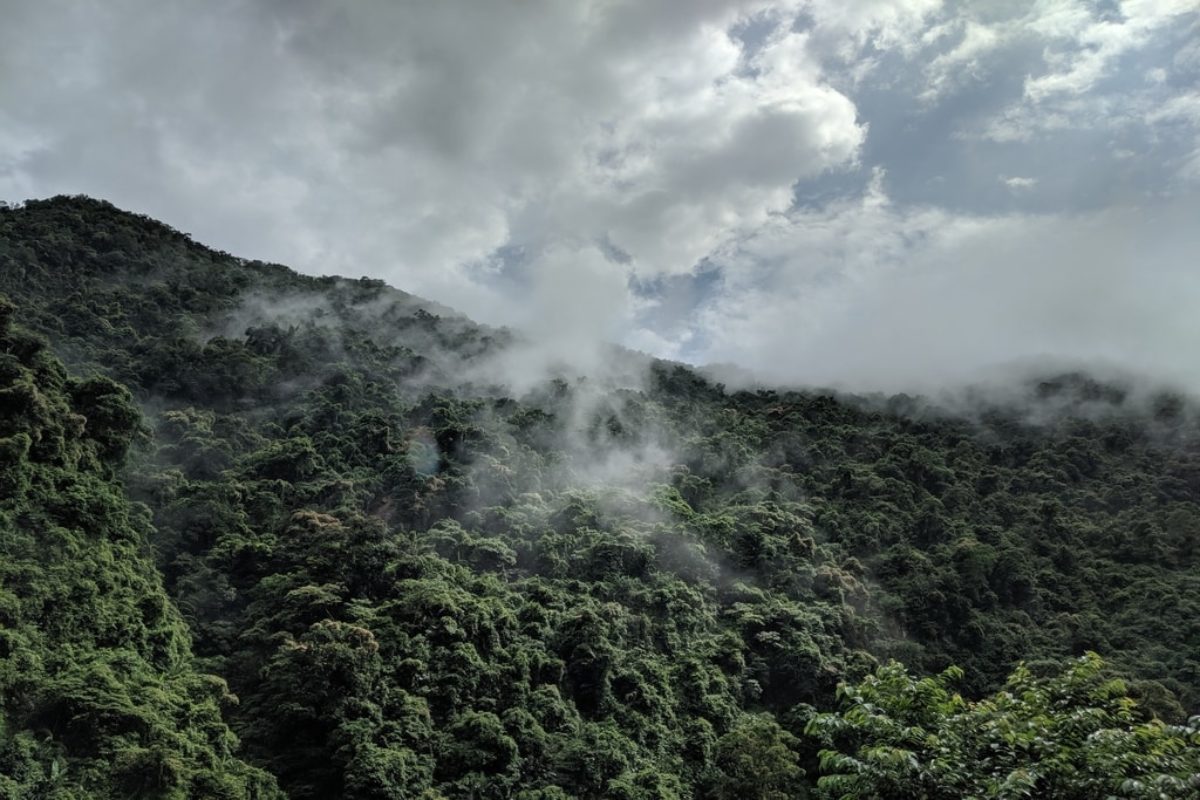
Often referred to colloquially as the "lungs of the Earth," the Amazon rainforest acts far more like the planet's primary air conditioner and hydrological pump. However, as we move deeper into 2026, the world's most vital biodiversity hotspot is under siege. A devastating combination of industrialized agriculture, organized environmental crime, and the compounding effects of climate change has pushed the basin to the absolute brink.
The Amazon is not simply a passive victim of global warming; it is a critical regulatory mechanism. The billions of trees in the basin continuously pump moisture into the atmosphere, creating the "flying rivers" that dictate rainfall patterns across South America and influence weather systems globally. Today, that engine is stuttering.
The Ecological Tipping Point
For decades, climatologists have warned of an impending "tipping point"—a theoretical threshold where the Amazon loses its ability to generate its own rainfall. In 2026, this is no longer just a theoretical model. As deforestation edges closer to the critical 20-25% mark, parts of the eastern and southern Amazon are already exhibiting savanna-like characteristics: longer dry seasons, suppressed moisture recycling, and unprecedented vulnerability to massive wildfires.
"The Amazon doesn't just adapt to climate change; it dictates it. If we cross this ecological threshold, the systemic collapse becomes irreversible, releasing decades of stored carbon back into our atmosphere."
— Dr. Carlos Nobre, Earth System Scientist
When the forest burns or is cleared, it releases massive quantities of stored carbon. Recent data indicates that certain highly degraded sectors of the rainforest are now emitting more carbon dioxide than they absorb, effectively transforming a vital carbon sink into a carbon source.
| Primary Threat Driver | Estimated Forest Loss Contribution | Ecological Impact & Consequence |
|---|---|---|
| Cattle Ranching & Speculation | ~65-70% | Permanent conversion of primary forest to pasture; severe soil degradation and biodiversity erasure. |
| Large-Scale Agriculture (Soy) | ~10-15% | Heavy pesticide runoff into river systems; large-swath monoculture replacing native flora. |
| Illegal Logging & Wildcat Mining | ~5-10% | Mercury contamination in the water table; selective high-value tree removal fracturing the canopy. |
| Climate-Driven Drought & Fire | ~10% (Accelerating rapidly) | Disruption of the Amazon's self-regulating moisture cycle, fueling unnatural, high-intensity megafires. |
The Human Cost and Indigenous Guardians
The crisis in the Amazon is not solely an environmental tragedy; it is a profound human rights issue. The frontline defenders of the forest are its Indigenous communities. Satellite telemetry and ground-level reporting consistently prove that demarcated Indigenous lands are the most effective barriers against deforestation.
Despite this, these communities face escalating violence from land grabbers (grileiros), illegal miners (garimpeiros), and organized crime syndicates operating in the profound isolation of the basin. The weakening of environmental protection agencies in recent years has emboldened these illicit networks, turning vast stretches of the forest into lawless frontiers.
The Path Forward: A Global Imperative
Halting the destruction of the Amazon requires a fundamental shift in how the global economy values natural capital. It is not enough to simply demand an end to deforestation; the international community must provide viable economic alternatives for the millions of people who live within the basin.
Solutions gaining traction in 2026 include highly regulated, high-integrity carbon credit markets, strict traceability mandates for global supply chains (ensuring that beef, soy, and leather entering markets like the EU and US are demonstrably deforestation-free), and massive investments in a sustainable "bio-economy" that values standing forests over cleared land.
The fate of the Amazon is intimately tied to the fate of the global climate. What happens in the heart of South America over the next decade will reverberate across every continent, dictating the severity of the climate crisis for generations to come. Saving the Amazon is no longer a regional environmental goal; it is a strict requirement for planetary survival.
Nexuswild welcomes factual corrections. Email contact@nexuswild.com with evidence and the article URL.