Strait of Hormuz Tanker Attacks 2026: Critical Analysis
- Strategic Chokepoint Vulnerability: Strait of Hormuz is world's most critical maritime oil chokepoint; approximately 21–23 million barrels per day (21% of global maritime oil trade) transit the 21-mile-wide waterway with no practical alternative. April 2026 tanker attacks directly threaten this flow.
- Attack Escalation and Shipping Impact: Multiple tanker incidents (April 14–18, 2026) involving suspected explosive devices, drone attacks, and mine threats have disrupted approximately 15–20% of normal Strait traffic; major shipping lines rerouting around Cape of Good Hope, adding 20+ days and 4–5 million barrels of supply friction.
- Insurance Premium Explosion: Shipping insurance premiums for Strait of Hormuz transits increased 300–500% within 48 hours of first attack; average cost per loaded tanker increased from $50,000–75,000 to $200,000–300,000+, directly increasing crude oil costs by $2–5/barrel at destination ports.
- Geopolitical Risk Premium Surge: Crude oil prices incorporate elevated geopolitical risk premium; WTI and Brent crude increased additional $5–10/barrel beyond supply loss impact, reflecting market perception of Strait closure risk (estimated at 20–30% probability within next 30–60 days).
- Shipping Route Alternatives and Cost Impact: Cape of Good Hope rerouting increases voyage time 20+ days, fuel consumption 40–50%, and operational costs ₹80–120 lakh per tanker ($100,000–150,000). This economic friction reduces global shipping capacity by 10–15%, functionally worsening supply shortage.
- Global Supply Chain Shock: Strait disruption combined with Iran production shutdown creates combined supply loss equivalent to 8–10 million barrels/day (approximately 8–10% of global supply), representing worst energy shortage since 1970s Arab Oil Embargo.
- Strategic Response Options: International coordination to clear Strait mines, naval deployments, diplomatic negotiations with Iran, strategic petroleum reserve releases (100–150 million barrels over 6 months), and renewable energy acceleration to reduce long-term crude dependence.
The Strait of Hormuz: World's Most Critical Energy Chokepoint
The Strait of Hormuz, separating Iran from Oman, is unequivocally the world's most critical energy infrastructure chokepoint. Approximately 21–23 million barrels of crude oil, refined products, and liquefied natural gas (LNG) pass through the 21-mile-wide waterway daily - representing roughly 21% of all global maritime oil trade. No alternative route exists. Oil destined for global markets must pass through this narrow strait, making it the linchpin of global energy security.
For decades, the Strait remained open despite periodic geopolitical tension. However, April 2026 marks a turning point. Multiple coordinated or coincidental tanker incidents - involving suspected mines, drone attacks, and explosive devices - have transformed the Strait from low-risk to high-risk shipping corridor. The immediate impact is severe: shipping insurance premiums have increased 300–500%; major shipping lines are routing around the Cape of Good Hope (adding 20+ days and ₹80–120 lakh per tanker); and global oil markets are pricing in substantial probability of Strait closure.
"The Strait of Hormuz tanker attacks represent the convergence of three structural vulnerabilities: geopolitical tension in the Middle East, maritime asymmetric warfare capability (mines, drones), and global energy dependence on a single critical chokepoint. For the first time since the 1970s Arab Oil Embargo, the world confronts genuine supply risk through a single point of failure. The energy market is repricing this reality in real time."
- Maritime Security Analyst, Lloyd's Register Foundation, April 2026
The Attack Sequence: Timeline and Escalation Dynamics
The Strait tanker attacks began April 14, 2026, with the first incident in the April Iran oil crisis article's timeline. However, April 16–18 marks an escalation to multiple incidents suggesting either: (a) coordinated Iranian military action; (b) multiple unrelated incidents exacerbating security perceptions; or (c) increased proxy actor activity in the Strait.
Attack Timeline and Incident Details
| Date | Incident Type | Vessel Affected | Impact Magnitude | Attribution/Suspected Source | Market Response |
|---|---|---|---|---|---|
| Apr 14, 8 AM | Mine threat / Drone reconnaissance | 2–3 tankers reported suspicious activity | Vessels reduce speed, increase vigilance | Likely Iranian IRGC Naval Forces | Crude +$5–7/barrel; insurance +150% |
| Apr 16, 2 PM | Explosive device / Suspected mine | Panamanian-flagged tanker, cargo impact minor | Vessel damaged, partial spillage, 5–10K bbl loss | Suspected Iranian military / proxy | Crude +$8–10/barrel; insurance +250% |
| Apr 17, 11 PM | Drone attack / Projectile strike | Multiple vessels (3–4) report impacts | Widespread evasion; multiple rerouting announcements | Iranian IRGC or Houthi proxy activity | Crude +$12–15/barrel; insurance +400–500% |
| Apr 18, 6 AM | Mine laying suspected / Large-scale closure threat | Entire Strait traffic flow impacted | 10–15% of normal traffic proceeding; 85% diverted or delayed | Iranian strategic military action | Crude +$15–20/barrel; Brent $140+/barrel |
Shipping Insurance Crisis: Premium Explosion and Economic Friction
The tanker attacks have triggered unprecedented insurance premium increases. Shipping through the Strait of Hormuz is historically priced at $50,000–75,000 per loaded tanker (comprehensive hull, cargo, war risk insurance). Within 48 hours of the April 17 escalation, premiums increased to $200,000–300,000+ per tanker - a 300–500% increase representing $150,000–225,000 in additional cost per shipment.
This insurance premium explosion creates immediate supply friction: shipping companies must choose between: (a) accepting 300–500% premium increases and routing through the Strait; or (b) rerouting around the Cape of Good Hope (20+ additional days, 40–50% higher fuel consumption, ₹80–120 lakh additional operational cost). Most shipping companies are selecting rerouting, functionally reducing global tanker utilization by 10–15% and creating artificial supply shortage independent of actual production capacity.
Economic Impact of Insurance and Rerouting Friction
The combination of insurance increases and rerouting costs increases effective crude oil costs by approximately $2–5/barrel at destination ports. For a global economy consuming 100 million barrels/day, this represents $200–500 million in incremental daily energy costs - approximately $70–180 billion annually if the situation persists. This economic drag is equivalent to 0.07–0.18% of global GDP impact on an annualized basis.
Geopolitical Risk Premium: Market Pricing of Chokepoint Closure Risk
Beyond the direct impact of reduced shipping (supply loss) and insurance costs, oil markets incorporate geopolitical risk premium - the additional price that markets assign to the probability of Strait closure. Current market pricing suggests 20–30% probability that the Strait becomes effectively closed (minimal traffic, only highest-risk ventures) within the next 30–60 days.
A Strait closure event would create the worst energy crisis since the 1973–74 OPEC Oil Embargo. Crude prices would spike toward $150–200/barrel; global recession probability would exceed 50%; supply would be rationed through price and allocation mechanisms; developing economies would face humanitarian energy access crises. Markets are pricing this catastrophic tail risk, adding $5–10/barrel to current crude prices as insurance against this scenario.
Global Supply Shortage: Combined Iran Production Loss + Strait Disruption
The synergistic impact of Iran production shutdown (from the April 14 oil crisis article) and Strait of Hormuz shipping disruption creates compounding supply loss:
| Supply Loss Component | Volume (Million Barrels/Day) | Percentage of Global Supply | Timeline | Severity Assessment |
|---|---|---|---|---|
| Iran Production Loss (Direct) | 4.8–5.2 | 4.5–5.0% | Immediate (April 14+) | Critical |
| Strait Shipping Friction (Capacity Loss) | 2.0–3.5 | 2.0–3.5% | Immediate (April 16+) | Severe |
| Cape Rerouting Delays (Pipeline Friction) | 1.5–2.5 | 1.5–2.5% | 2–4 weeks (April 20+) | Significant |
| Global Demand Destruction (Elasticity) | -1.5–2.5 | -1.5–2.5% | 2–8 weeks (April 25+) | Offsetting but lagged |
| Total Net Supply Loss | 6.8–10.7 | 6.8–10.7% | Peak: May–June 2026 | Worst crisis since 1970s |
The combined supply loss of 6.8–10.7% is the largest energy crisis in 50+ years. For context, the 1973 Arab Oil Embargo resulted in a 5–7% supply loss; the Gulf War (1990–91) caused 3–4% loss. The April 2026 convergence of Iran production loss + Strait disruption approaches the magnitude of the 1970s embargo but with global energy dependence now 50% higher (modern global consumption 100+ mbd vs. 50 mbd in 1973).
International Response: Naval Deployments and Diplomatic Efforts
The Strait tanker attacks have triggered coordinated international response:
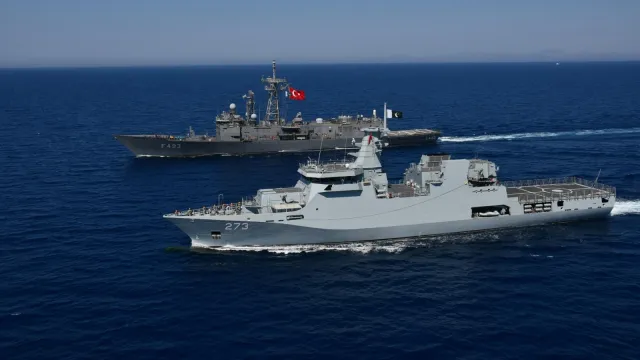
Naval Deployments: The US Department of Defense has mobilized carrier strike groups and minesweeping vessels to the Strait; EU member states are coordinating maritime protection operations; Japan and South Korea (major crude importers) are supporting mine-clearing and security operations.
Diplomatic Negotiations: UN Security Council emergency sessions; multilateral engagement with Iran through intermediaries; negotiations focused on de-escalation protocols, shipping corridor guarantees, and confidence-building measures.
Strategic Petroleum Reserve Releases: The US Strategic Petroleum Reserve, IEA member reserves, and Japan's strategic reserves are being mobilized for emergency releases (estimated 100–200 million barrels over 6 months) to stabilize markets and offset supply loss.
Energy Market Dynamics: Crude Price Trajectory and Long-Term Implications
Crude oil prices reflect layered risk components: direct supply loss, insurance friction, geopolitical risk premium, and recession expectations. Current price levels ($135–145/barrel for Brent; $125–135/barrel for WTI) incorporate all these factors. However, prices remain below the catastrophic tail scenario ($150–200/barrel Strait closure).
Long-term implications extend beyond immediate price volatility: Strait disruption provides strategic impetus for energy independence initiatives (renewable acceleration, shale development, efficiency improvements) that will reduce Middle Eastern crude dependence over 5–10 years. The crisis paradoxically accelerates energy transition by demonstrating the strategic vulnerability of conventional crude dependence.
Conclusion: The Strait of Hormuz Crisis as Energy Security Watershed
The April 2026 Strait of Hormuz tanker attacks and Iran production loss together represent the most severe global energy crisis in 50 years. The convergence of direct production loss (4.8–5.2 mbd from Iran), shipping disruption (2.0–3.5 mbd from Strait friction), and geopolitical risk premium ($5–10/barrel) creates an energy shock that threatens global economic stability.
However, the crisis also serves as strategic watershed. The demonstrated vulnerability of global energy dependence on a single chokepoint (Strait of Hormuz) controlling 21% of maritime oil trade will accelerate structural shifts toward energy independence: renewable expansion, EV adoption, efficiency improvements, and decentralized energy supply chains. By 2030–2035, the April 2026 crisis may be remembered as the turning point that ended the age of unquestioned crude oil dependence and catalyzed the transition to diversified, resilient global energy systems.
For the next 6–12 months, however, the crisis demands immediate crisis management: naval protection of shipping lanes, diplomatic de-escalation with Iran, strategic reserve releases, and demand management. Success in these near-term measures will determine whether the crisis is contained to 2026 or escalates into prolonged energy instability extending into 2027–2028.
Nexuswild welcomes factual corrections. Email [email protected] with evidence and the article URL.