
Iran Trump Peace Proposal: Core Elements and Geopolitical Context
- Trump Administration Peace Framework (May 2026): Trump returned to presidency in January 2026 after Biden presidency (2021–2025). Trump administration has proposed direct diplomatic engagement with Iran: restoration of nuclear deal (Joint Comprehensive Plan of Action—JCPOA) renegotiation, sanctions relief in exchange for stricter nuclear verification, and broader regional de-escalation. Proposal includes confidence-building measures: prisoner exchanges, unfreezing Iranian assets abroad, and phased sanctions relief tied to compliance verification.
- Regional Opposition and Skepticism: Israel categorically opposes any nuclear agreement with Iran without addressing ballistic missile programs and regional proxy activities. Israeli intelligence warns Iran retains capability to achieve nuclear weapons within 6–12 months if not constrained. Saudi Arabia, UAE, and Bahrain express skepticism: they fear Iran will use sanctions relief to expand regional influence, proxy support (Houthis in Yemen, militias in Iraq/Syria), and ballistic missile development. Gulf Arabs worry about being excluded from negotiations affecting their security.
- Iranian Domestic Political Constraints: Iran's government is divided: moderate reformists (supporting engagement with West) vs. hardliners (opposing any compromise with US). Supreme Leader Ayatollah Khamenei holds ultimate power and has historically been skeptical of US engagement. Nuclear issue is politically sensitive in Iran: nationalists view nuclear program as symbol of sovereignty and resistance to Western domination. Any compromise faces domestic opposition from hardliners and nationalist constituencies.
- Geopolitical Obstacles: Proxy conflicts continue: Iran supports Houthis (Yemen), Shia militias (Iraq), Hezbollah (Lebanon). Israel and US want these addressed before sanctions relief. Ballistic missile programs: Iran has expanded missile capabilities to ranges 1,000–2,000+ km, causing regional alarm. Trump administration wants missile constraints in peace framework; Iran views missiles as essential deterrent against US/Israel military action and is reluctant to constrain them. Regional power dynamics: Russia and China benefit from Iran-US tension and may discourage Iranian cooperation to maintain leverage.
- Historical Precedent: Obama JCPOA vs. Trump Maximum Pressure: Obama administration negotiated JCPOA (2015): Iran agreed to nuclear restrictions in exchange for sanctions relief. Trump administration withdrew (2018) and imposed maximum pressure sanctions: oil export restrictions, banking sanctions, asset freezes. Sanctions reduced Iranian oil exports from 2.5M barrels/day (2015) to 200k–400k barrels/day (2020s), causing economic damage estimated at $200+ billion annually. Trump critics argue withdrawal destabilized Middle East; Trump supporters argue JCPOA was insufficient on missiles/regional activities. This history creates credibility gap: Iran skeptical of Trump promises given his withdrawal from JCPOA.
- US Domestic Political Constraints: Trump faces pressure from Republican hawks and Israel lobby opposing Iran negotiations. Democratic critics warn about repeating previous mistakes (if Trump withdraws again, US credibility damaged further). Congress must approve sanctions relief and any nuclear agreement; obtaining Republican support will be difficult.
- Realistic Outlook and Prospects (2026–2027): Breakthrough scenario (25–30% probability): Iran and US reach modest agreement on nuclear safeguards and limited sanctions relief. This requires Iranian domestic political alignment, US congressional support, and regional acceptance. Deadlock scenario (50–60% probability): negotiations stall over missile programs, regional activities, or both sides making incompatible demands. Iran maintains nuclear capability near weapons threshold; US maintains sanctions pressure. Deterioration scenario (15–20% probability): negotiations fail; tensions escalate toward potential military confrontation (military strikes on Iranian nuclear facilities, possible Iranian retaliation).
Diplomacy in the Shadow of History: Trump Returns to Iran Challenge
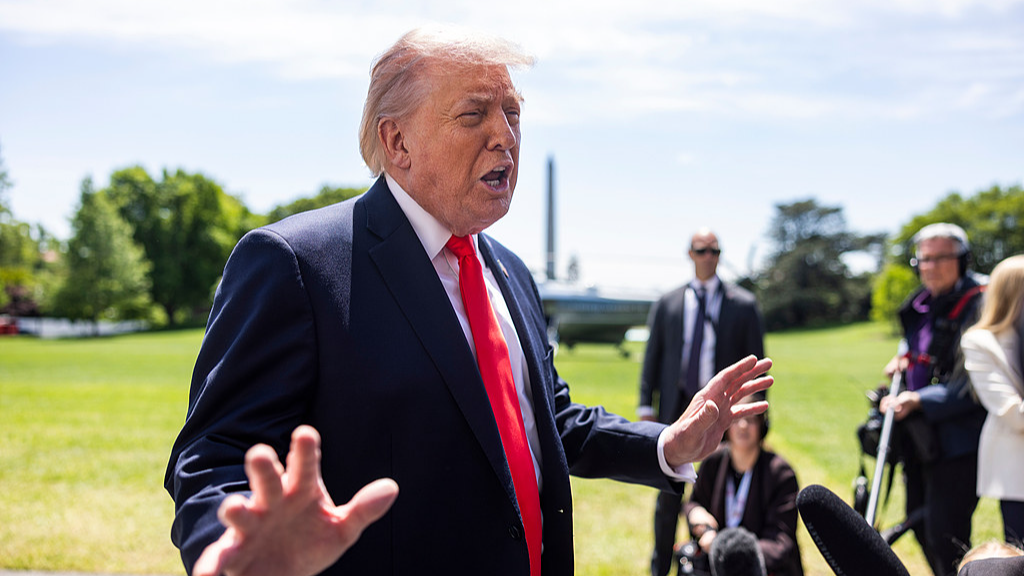
In May 2026, the Trump administration is attempting something that eluded every previous administration: peace with Iran. But this time, the challenge carries the weight of history—specifically, Trump's own history with Iran. In 2018, Trump withdrew from the Obama-era nuclear deal (JCPOA), reimposed crushing sanctions, and pursued "maximum pressure." Now, as the geopolitical landscape has shifted and Iran has continued advancing its nuclear program, Trump is proposing direct engagement.
The paradox is stunning. Trump's previous maximum pressure campaign damaged the Iranian economy but failed to stop nuclear progress. Iran's government is divided on whether to trust Trump's new overture. Regional powers—Israel, Saudi Arabia, UAE—are skeptical. And the fundamental obstacles remain: ballistic missiles, proxy wars, regional rivalry.
Yet the administration is trying. The stakes are high: either a breakthrough that reduces Middle East tensions, or a failure that edges toward confrontation. May 2026 represents a moment where Iran and US diplomacy could pivot—toward cooperation or toward escalation.
"Trump's return creates both opportunity and danger. Opportunity: Trump has political capital to move beyond ideological constraints that trapped previous administrations. He can make deals that Democrats or hawks cannot. Danger: Iran doesn't trust Trump after the JCPOA withdrawal. The credibility gap is enormous. Bridging it requires both sides moving simultaneously—nearly impossible given mutual suspicion. Without breakthrough in coming months, the default trajectory is escalation."
— Dr. Farideh Farhi, Iran Policy Analyst, University of Hawaii, May 2026
What Trump is Proposing: The Framework
The Trump administration's Iran peace proposal, unveiled in early May 2026, contains several key elements:
Nuclear Deal Restoration with Modifications
Trump is proposing to re-engage on nuclear issues, but with a revised framework from the original JCPOA. Key points include stricter verification protocols (more intrusive inspections, real-time monitoring of enrichment facilities), longer "snapback" provisions (if Iran violates, sanctions reimpose automatically without Security Council vote), and extended constraints on uranium enrichment (limiting Iran's ability to quickly produce weapons-grade material).
In exchange, the US would gradually lift sanctions: first, unfreezing Iranian assets abroad (estimated $100+ billion), lifting banking restrictions, and restoring oil export capacity. Sanctions relief would be phased—tied to compliance milestones rather than all-at-once.
Regional De-escalation Confidence Measures
Trump is proposing prisoner exchanges (releasing detained Americans held by Iran, and Iranians imprisoned in US), diplomatic engagement channels, and possible mediation in regional conflicts (Yemen, Iraq, Syria). The framework includes potential US guarantees against regime change (addressing Iranian fear of US military intervention) in exchange for Iranian commitments on nuclear program.
Ballistic Missile Program Constraints
This is contentious. Trump wants Iran to limit ballistic missile development and regional transfer of missiles. Iran views missiles as essential deterrent against US/Israel military threat and resists constraints. Trump administration is proposing "caps" on missile development (rather than complete elimination) and restrictions on range/accuracy.
Why Regional Powers are Skeptical
Israel's Categorical Opposition
Israeli government under Prime Minister Netanyahu (as of May 2026) categorically opposes any nuclear agreement with Iran without addressing ballistic missile programs and regional proxy activities. Israeli intelligence assessments warn that Iran can achieve weapons-grade enrichment within 6–12 months if not constrained. Israel views the JCPOA as insufficient on verification and missile programs. Netanyahu's position: Trump should maintain maximum pressure until Iran agrees to comprehensive restrictions (nuclear, missiles, regional activities—comprehensive surrender of leverage).
Israel is also wary of Trump's negotiation style. Trump has made unpredictable decisions before (JCPOA withdrawal, then-unpredictable Middle East policies). Israel fears Trump might abandon Israel's interests if political pressure mounts or economic incentives change.
Saudi Arabia and Gulf Arab Concerns
Saudi Arabia and UAE have built their own anti-Iran alliance, including recent normalization with Israel (Abraham Accords, 2020–2023). They benefit from current tension with Iran (it elevates their strategic importance to US). A U.S.-Iran rapprochement would reduce their leverage and potentially enable Iran to expand regional influence.
Gulf Arabs particularly worry about Iranian support for regional proxies: Houthis in Yemen (fighting Saudi-led coalition), Shia militias in Iraq, Hezbollah in Lebanon. They want any peace framework to address proxy support, not just nuclear program. They fear sanctions relief will give Iran resources to expand proxy operations, making Gulf states less secure.
Turkish and European Perspectives
Turkey's position is mixed: engagement with Iran is beneficial (trade, regional stability) but Turkey also coordinates with US on regional security. Turkey likely remains neutral on Trump-Iran negotiations, focusing on protecting Turkish interests in Syria and Iraq.
European states (France, Germany) generally support Trump-Iran engagement (they prefer diplomacy to military conflict). However, they are cautious about being excluded from negotiations or having their interests (European investments in Iran, for example) affected by US decisions.
The Credibility Problem: Trump's JCPOA Withdrawal Still Haunts Negotiations
The biggest obstacle to Iranian engagement is credibility. When Trump withdrew from JCPOA in 2018, he signaled that US agreements could be discarded unilaterally. Iran complied with JCPOA for years (International Atomic Energy Agency confirmed compliance), yet Trump withdrew anyway. Why would Iran trust Trump's new promises?
Trump's response: times have changed, circumstances are different, and Trump personally guarantees this agreement will hold. But Iranian negotiators remain skeptical. They remember Trump's unpredictability, his political enemies (hawks who opposed JCPOA), and his history of walking away from commitments.
This credibility gap may be unbridgeable without intermediaries (Switzerland, Oman, or other neutral parties) providing guarantees, or without Congress ratifying any agreement (making it harder for future presidents to withdraw). But achieving Congressional ratification of any Iran agreement is politically difficult for Republicans.
Iran's Domestic Politics: Moderates vs. Hardliners
Inside Iran, the debate is intense. Moderates argue engagement with US will reduce sanctions, revive economy, and integrate Iran into global commerce. Hardliners argue engagement is capitulation, playing into US imperial designs, and betraying the revolutionary principles of the Islamic Republic.
Supreme Leader Ayatollah Khamenei holds ultimate power. Khamenei has been skeptical of US engagement historically, but he is pragmatic: he allowed the JCPOA negotiation and supported it (until Trump withdrew). Whether Khamenei will authorize negotiators to reach agreement with Trump is unclear.
Iranian nationalism complicates negotiation: nuclear program is viewed as expression of Iranian sovereignty and technological advancement. Any constraint on nuclear program, missile program, or regional activities faces nationalist backlash domestically.
The Missile Problem: Unsolvable Obstacle?
Ballistic missiles are a fundamental disagreement. Iran has developed missiles with ranges 1,000–2,000+ km, threatening Israel and Gulf states. Trump wants constraints; Iran resists.
From Iran's perspective: missiles are essential deterrent against US military attack (Iran fears US military intervention, regime change operations). Given US military dominance, Iran must rely on asymmetric capabilities (missiles, proxies) for deterrence. Constraining missiles means surrendering deterrence.
From Trump administration's perspective: unconstrained missile development allows Iran to eventually threaten US partners and potentially carry nuclear warheads. Missile constraints are therefore non-negotiable for deterrence credibility.
This may be the point where negotiations break down: neither side can compromise on missiles without sacrificing core security interests.
Regional Power Dynamics: Russia and China as Spoilers
Russia and China benefit from US-Iran tension. A US-Iran rapprochement would reduce their leverage over Iran and eliminate opportunities to court Iran as geopolitical ally. Both Russia and China may quietly discourage Iranian flexibility, counseling hardline positions to keep negotiations stalled.
Russia has military relationship with Iran (Syria operations, potential military cooperation). China has economic interests in Iran (Belt and Road investments, oil imports). Neither has interest in rapid US-Iran normalization.
Realistic Assessment: Probability of Outcomes
Three scenarios are plausible for 2026–2027:
Breakthrough (25–30% probability): Iran and US reach phased agreement on nuclear safeguards and limited sanctions relief. Missile programs remain partially constrained but not eliminated. This requires Khamenei authorization, Congressional acquiescence (not approval), and regional acceptance. Economic benefit to Iran (sanctions relief) and reduced military risk to US create positive incentives. If breakthrough occurs, it likely happens by Q4 2026.
Deadlock (50–60% probability): Negotiations stall over missile programs, regional proxy activities, or both sides making incompatible demands. No agreement reached. Iran continues advancing nuclear program (near weapons threshold but not crossing it). US maintains sanctions pressure. Neither side escalates militarily but tension remains high. This becomes the baseline through 2027.
Escalation (15–20% probability): Negotiations break down acrimoniously. Either side takes military action: US executes air strikes on Iranian nuclear facilities (justified as preventive), or Iran responds to perceived US betrayal with regional escalation (ballistic missile tests, proxy attacks on US targets or allies). This scenario leads to regional conflict, economic disruption (oil price spike), and potential cascade toward wider Middle East war.
Conclusion: Diplomacy at the Crossroads
May 2026's Trump proposal for Iran peace represents genuine diplomatic opening—something that seemed impossible during Biden administration. But it faces formidable obstacles: regional skepticism, domestic Iranian politics, credibility gaps from Trump's JCPOA withdrawal, and fundamental disagreements on missiles and regional activities.
The most likely outcome is deadlock—negotiations continue but breakthrough remains elusive. This creates a dangerous intermediate state: neither war nor peace, sanctions nor normalization, deterrence nor accommodation. Such ambiguity can persist for years or collapse suddenly into conflict if miscalculation occurs.
For Trump, Iran diplomacy is a defining issue. Success would be a major diplomatic achievement, rehabilitating his image after years of "maximum pressure" failures. Failure would confirm critics' view of Trump as erratic and unreliable on foreign policy. For Iran, the stakes are existential: normalization offers economic revival but demands nuclear/missile concessions. For the region, Iran peace would reduce tensions; continued standoff perpetuates instability and military risk.
The coming months will be crucial. If negotiations reach agreement framework by October 2026, breakthrough is possible. If stalled by then, deadlock likely persists through 2027 and beyond. Trump's willingness to compromise and Iran's willingness to trust will determine which path unfolds.
Nexuswild welcomes factual corrections. Email contact@nexuswild.com with evidence and the article URL.