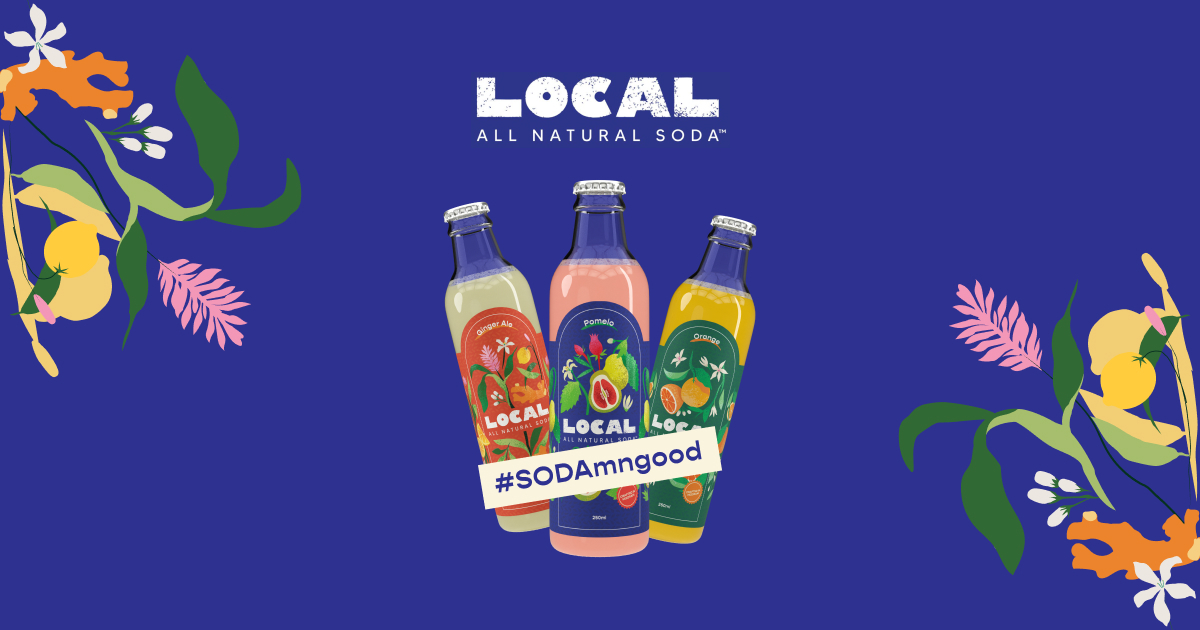
Local All Natural Soda: Verified Real Facts & Timeline
- 2016-2018: The Beginning - Zomawii Returns Home: After 15 years working in US (Morgan Stanley, American Express) in infrastructure technology sector, Zomawii Khiangte returned to Mizoram in 2016. Reason: parents were aging and unwell, she wanted to be close to family. Her American husband Felipe Rodriguez (whom she met at Rochester Institute of Technology) saw opportunity. Felipe had product management experience at Unilever and passion for home brewing. Together they decided: first craft brewery in Northeast India. Named it Mizo Brewery. Launched January 2018.
- 2019: Regulatory Pivot - When Dry State Returns: Mizo Brewery operated for approximately 1.5 years. Then in May 2019, Mizoram returned to being a dry state (prohibition on alcohol sales). Suddenly, their brewery business faced regulatory wall. They could not continue alcohol production. Decision: pivot or close. They chose pivot. They kept equipment purchased for brewing. They reconsidered: what else could they produce using same machinery? Answer: non-alcoholic beverages. Specifically: craft soda using local Mizoram fruits.
- 2020-2021: Development and Launch - From Crisis to Opportunity: During pandemic lockdown (2020), Mizoram faced local crisis. Farmers had produce—ginger, pomelo, oranges, roselle—but no market access. Fruit was going waste. Zomawii and Felipe saw opportunity: develop value-added products from agricultural surplus. They started small-batch experiments. Assembled team of local women to process and juice produce by hand. Used wooden presses initially. Tested flavors: pomelo, ginger ale, orange, dragon fruit. Official launch: December 2021 (after development period). Brand name: Local All Natural Soda (under parent company Tui Bon Natural—"very tasty" in Mizoram language).
- Product Philosophy: Indigenous Ingredients, Premium Format: Core products: pomelo soda (with roselle hibiscus infusion), ginger ale, orange soda, dragon fruit soda. All made with real fruit juice, no artificial preservatives or synthetic flavors. Ginger retains natural heat but softened for wider audience. Low-sugar formulations. Glass bottles (250ml) not plastic—sustainability commitment. Pricing: ₹100-120 per bottle (premium positioning). For comparison: Coca-Cola plastic bottle ₹20. Price reflects: premium ingredients, craft production, sustainability, supporting local farmers, glass packaging.
- Business Model: Farm-to-Bottle, Farmer Support Mission: Direct relationship with local Mizoram farmers. Fruits sourced directly from smallholder growers. This addressed core problem: farmers producing quality fruit but lacking market access and food processing infrastructure. Local All Natural Soda became market outlet. Each bottle sold directly supported farmers' income. Company positioned itself not just as beverage brand, but as movement supporting Northeast agriculture, promoting lesser-known regional ingredients, bringing Mizoram produce to national and global stage.
- Funding and Growth: March 2024 Pre-Seed Round: March 2024, raised pre-seed funding from ALSiSAR Impact (Colaba, Maharashtra-based investment firm backing sustainable indigenous products in Himalayas and Northeast). Notable investors included: Shoba Narayan (award-winning author and journalist), Narayan Ramachandran (Unitus Capital Chairman), Aditya Sheth (Mumbai industrialist), Sonali Mehta-Rao (Ahaana Ventures). Mizoram's first startup to secure equity financing. Round amount undisclosed. Funding signaled validation for farm-to-bottle model and Northeast beverage opportunity.
- Financial Journey: From Losses to Profitability: Previous year: negative EBITDA of -₹40 lakhs (significant losses). Current year: turned profitable with ₹5 lakhs profit (breakeven achieved). Growth strategy: reduced non-essential marketing spend, focused on revenue growth and operational efficiency. Simplified operations, maintained quality, built distribution. Revenue projection FY25-26: ₹1.2 crore (anticipated jump from current trajectory).
- Shark Tank India Season 5, Episode 27 (February 10, 2026): The Pitch: Zomawii and Felipe appeared on Shark Tank India Season 5. Pitch: farm-to-bottle craft beverage using indigenous ingredients; supporting Mizoram farmers; low-sugar alternative to mass-produced sodas. Emphasized mission-driven approach: "Every bottle supports farmers and communities of Mizoram. We are not just building brand, we are creating movement." Highlighted sustainability, glass bottles, no artificial preservatives, premium craft positioning.
- Shark Responses and Valuation Discussion: Founded December 2021, so ~4 years old at pitch time. Asked: ₹50 lakhs for 2% equity (implied ₹25 crore valuation). Sharks had mixed reactions. Peyush Bansal and Vineeta Singh praised product quality but raised concerns: high price point (₹120/bottle) may limit mass-market adoption; distribution and marketing strategy needed clarity; founders needed to focus intensely on scaling beyond niche regional brand.
- Aman Gupta's Offer and Negotiation: Mohit Yadav (Shark) offered ₹1 crore for equity stake (reported as either 25% or 33% depending on source—variations in reporting). Founders declined offer. Reason stated by Zomawii: equity dilution felt too high at this stage; they had other investor commitments; wanted strategic support but couldn't afford excessive dilution; preferred right strategic partner without major ownership loss.
- Why Premium Pricing Works in Craft Beverage Market: ₹100-120 per bottle premium positioning justified by: authenticity (real fruit, no additives), craft production (small-batch), sustainability (glass packaging), farmer support mission, health benefits (low-sugar), unique regional flavors (not available mass-market). Target market: health-conscious urban consumers, premium segment, sustainability-minded buyers willing to pay premium for values alignment. Currently distributed mainly in Delhi and Mizoram.
- Challenges and Market Reality: Sharks correctly identified challenge: high price point limits market size. Mass-market beverage consumers in India expect low prices (₹20-30 range). Craft soda at ₹120 serves niche. Scaling requires: (1) expanding distribution, (2) potentially developing lower-price variants, (3) stronger brand awareness, (4) finding right distribution partners to reach pan-India. Current model sustainable for premium segment but scaling to mass-market requires different strategy.
- Strategic Vision: Craft Beverage Movement, Not Just Brand: Founders positioned Local All Natural Soda as movement, not just product. Mission: shift mainstream consumer behavior toward natural, sustainable beverages. Celebrate Northeast India's agricultural potential and distinct food traditions. Put lesser-known Mizoram ingredients on national/global map. Support farming communities through improved market access and higher-value products.
When Prohibition Creates Opportunity: The Pivot Story
Zomawii Khiangte spent 15 years in New York working for major financial institutions (Morgan Stanley) and multinationals (American Express). Successful career, stable income, urban life. Then in 2016, she made decision that defied typical career trajectory: returned to Mizoram to be close to aging parents.
Her husband Felipe Rodriguez, whom she met at Rochester Institute of Technology, saw opportunity in this move. He had product management experience at Unilever and was passionate about home brewing. Together they envisioned something ambitious for Northeast India: first craft brewery.
Mizo Brewery launched January 2018. For approximately 1.5 years, business operated. They were building something meaningful—craft beverages in region without craft culture. Then regulatory environment changed. In May 2019, Mizoram returned to being a dry state (alcohol prohibition). Suddenly their brewery business faced existential challenge.
This moment defined their entrepreneurial character. Instead of accepting defeat, they pivoted. They kept the equipment. They reconsidered their opportunity. They looked at what was abundant locally: Mizoram fruits. They saw what was lacking locally: food processing and market access for farmers.
"We took our savings and built a microbrewery in Mizoram. When the dry state returned, we pivoted. We realized there was huge gap between food production and marketing. Farmers producing so much, but no access to processing, no marketing knowledge. Beverage market was booming. We thought: take local agricultural produce and convert into beverages. Every bottle supports farmers and communities of Mizoram."
From Pandemic Lockdown to Agricultural Innovation
During 2020 pandemic lockdown, Mizoram faced local agricultural crisis. Farmers had produce: pomelo (a grapefruit variety), ginger, oranges, roselle (hibiscus). Quality fruit. Abundant. But no market access. No buyers. Produce going waste.
Zomawii and Felipe saw this not as problem, but as opportunity. They started small-batch experiments in 2020. Assembled team of local women to process and juice produce by hand. Used wooden presses initially—manual, artisanal, labor-intensive. Tested flavor combinations. Pomelo with roselle. Ginger ale. Orange soda. Dragon fruit soda.
Each experiment taught them something about flavor development, production challenges, market appeal. Ginger, for example, retains natural heat but needed softening for broader audience. Pomelo and roselle combination brought lesser-known regional ingredients in approachable way.
By December 2021, they were ready for formal launch. Local All Natural Soda was born.
Premium Craft Positioning: ₹120 Per Bottle in ₹20 Cola Market
From day one, they chose premium positioning. Glass bottles (250ml), not plastic. Real fruit juice, no artificial sweeteners or preservatives. Craft production, small-batch. Pricing: ₹100-120 per bottle.
For context: Coca-Cola plastic bottle (250ml) costs ₹20. Their pomelo soda costs ₹120. That is 6x price premium. Deliberate choice.
Why so expensive? Multiple reasons: (1) Real fruit juice costs more than synthetic flavoring. (2) Glass packaging costs more than plastic, reflects sustainability commitment. (3) Craft production scaled differently than mass manufacturing. (4) Farmer support built into economics—paying farmers premium for quality, sustainable harvested produce. (5) Small-batch production means higher per-unit costs. (6) Brand positioning: premium craft beverage, not mass-market commodity.
Target market: health-conscious urban consumers willing to pay premium for values alignment. Not competing with Coca-Cola for mass-market share. Competing for premium segment willing to pay for authenticity, sustainability, health benefits, farmer support.
Business Model: Farm-to-Bottle, Mission-Driven
Core business model: direct relationships with Mizoram farmers. Source fruits directly from smallholder growers. This solved problem farmers faced: producing quality fruit but lacking infrastructure to process it or market access to sell it profitably.
By buying directly from farmers, Local All Natural Soda became market outlet. Every bottle sold put money in farmer's pocket. Every increased sale meant increased purchase orders. This created economic incentive for farmers to grow more fruit, improve quality, expand production.
Company positioned itself as more than beverage brand. It was movement supporting Northeast agriculture, promoting indigenous ingredients, bringing regional produce to national and global stage. Marketing message not just "healthy drink," but "supports Mizoram farmers," "celebrates Northeast culture," "sustainable business model."
Financial Journey: Loss to Profitability
Previous year: company ran at -₹40 lakhs EBITDA (significant losses). Current year: turned profitable with ₹5 lakhs profit. Improvement came from: strategic cost management (reduced non-essential marketing spend), focused on revenue growth, operational efficiency improvements, maintained quality while scaling.
Projected FY25-26 revenue: ₹1.2 crore. This suggests business finding product-market fit in premium segment, even with high price point.
Current distribution: primarily Delhi and Mizoram. Limited geographic presence reflects early-stage scaling and premium positioning (glass bottles, craft production limit distribution reach initially).
Shark Tank India Season 5: When Sharks Question the Price
February 10, 2026: Zomawii and Felipe appeared on Shark Tank India Season 5, Episode 27. They pitched farm-to-bottle model, Mizoram fruits, farmer support mission, sustainability focus, health positioning. Asked ₹50 lakhs for 2% equity (₹25 crore valuation implied).
Peyush Bansal (Lenskart founder) and Vineeta Singh (Sugar Cosmetics founder) raised similar concern: product quality is excellent, but price point (₹120/bottle) may limit mass-market adoption. They emphasized founders needed to focus intensely on distribution, marketing, sales strategy to grow beyond niche regional brand.
Mohit Yadav (Shark) was more bullish. Offered ₹1 crore for equity stake (reported as 25-33% depending on source). For premium craft beverage founder, this represented significant capital and potential validation. But Zomawii and Felipe declined.
The Declination: Strategic Thinking on Equity
When asked why they turned down Aman Gupta's substantial offer, Zomawii explained: equity dilution felt too high. They had commitments to previous investors (pre-seed round March 2024). They wanted strategic partner for growth, but not at cost of excessive ownership loss. At early stage, ownership matters—it affects future fundraising, strategic control, upside potential.
Their reasoning reflected strategic maturity: understanding that not all capital is good capital. Right partner with reasonable terms matters more than just money amount. They preferred patient capital and strategic mentorship over aggressive dilution.
The Challenge: Scaling Craft Premium in Price-Sensitive Market
Sharks identified real challenge: India is price-sensitive beverage market. Mass consumers expect ₹20-30 pricing. ₹120 serves niche—premium, health-conscious, sustainability-minded consumers. That niche exists and is growing, but it is limited compared to mass-market.
Scaling Local All Natural Soda requires: expanding distribution (currently just Delhi and Mizoram), building stronger brand awareness, potentially developing lower-price variants without compromising core positioning, finding right distribution partners (e.g., premium supermarkets, online health platforms, specialty stores).
Mission-driven business model works, but scaling requires addressing reality of Indian beverage market structure and consumer economics.
Conclusion: Craft Beverage Movement from Northeast India
Local All Natural Soda represents rare combination: mission-driven business, craft production, regional ingredient celebration, farmer support model, sustainability commitment. Founders pivoted from one business to another when regulation changed, showing adaptability and opportunity recognition.
Whether they can scale premium craft soda in mass-market price-sensitive India remains open question. But their story demonstrates that not all entrepreneurship is about disruption or rapid scaling. Sometimes it is about thoughtful business building, authentic product quality, supporting communities, and creating alternatives to mass-market dominance.