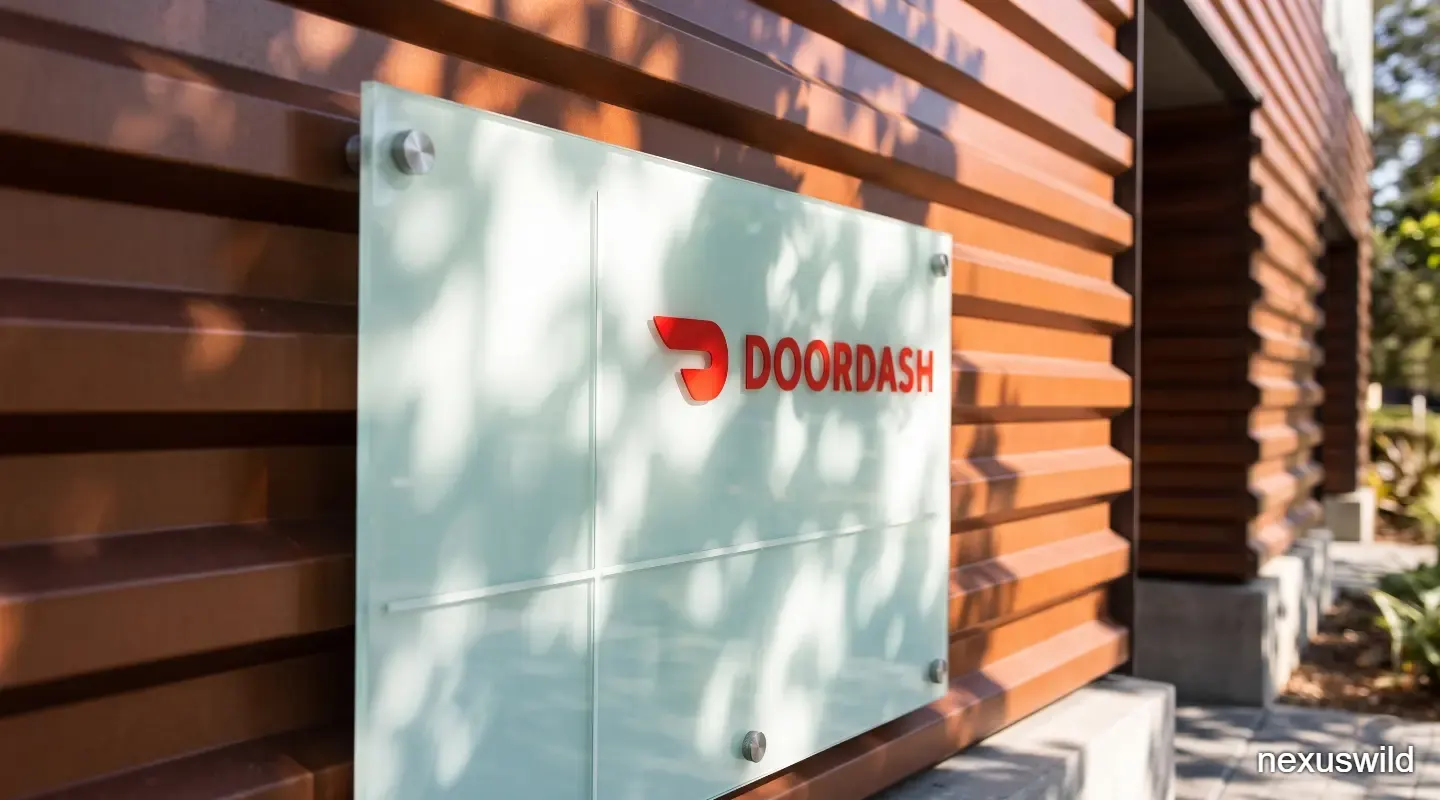

DoorDash's proposed $17 billion acquisition of Instacart is facing a significant regulatory hurdle after the US Department of Justice (DOJ) emerged as the lead agency reviewing the transaction for potential antitrust concerns. The deal, announced in October, would bring two major delivery platforms under common ownership and create a larger business combining DoorDash's delivery network with Instacart's grocery technology, retailer partnerships and digital commerce services.
The proposed combination is designed to strengthen both companies against growing competition from major retailers and online platforms. DoorDash wants to expand its position in grocery and local commerce, while Instacart sees an opportunity to combine its relationships with retailers and brands with DoorDash's broader consumer reach.
However, the transaction raises questions about competition in grocery delivery, retailer choice, delivery-worker opportunities and consumer affordability. Regulators will need to assess whether the combined company would improve efficiency and expand access to services or reduce independent competition in parts of the delivery market.
The DOJ's involvement does not mean the transaction has been blocked or that regulators have formally concluded it violates competition law. It does, however, place the acquisition under closer scrutiny as the companies prepare for a potentially lengthy approval process.
DOJ Takes the Lead in Antitrust Review
The US Department of Justice will lead the federal antitrust review of DoorDash's proposed acquisition of Instacart, according to information reported on November 16. The development is notable because the Federal Trade Commission traditionally handles many transactions involving food retail and grocery businesses.
The reassignment gives the DOJ responsibility for examining whether the proposed combination could substantially reduce competition or create conditions that harm consumers, retailers or other market participants.
The department has publicly reiterated its broader focus on affordability and competition but has declined to comment specifically on the DoorDash-Instacart transaction. Neither company has announced a formal regulatory challenge.
Under US merger rules, transactions of this size must undergo antitrust review. Regulators can allow a deal to proceed, negotiate remedies or seek to block it if they identify competition problems. State authorities also have independent powers to challenge mergers, meaning the companies could face scrutiny beyond the federal review.
New York and California are among the states with authority to pursue antitrust challenges. Their involvement could become relevant if concerns emerge around grocery delivery access, retailer bargaining power or the effect of consolidation on local markets.
For DoorDash and Instacart, the immediate task will be demonstrating that the combination can create operational efficiencies without weakening competition in the markets where their services overlap.
Understanding the $17 Billion Transaction
DoorDash and Instacart announced their definitive merger agreement on October 29, 2026. The transaction values Instacart at $65 per share, representing a 26% premium to its closing price on October 22, before reports about a possible deal emerged.
The equity value of the proposed acquisition is approximately $17 billion. Instacart shareholders will be able to elect between cash consideration, DoorDash shares or a combination of the two, subject to the transaction's allocation rules.
The consideration will be at least 75% cash, with stock consideration capped at 25% of the aggregate value. For each Instacart share, shareholders can elect to receive $65 in cash, 0.3372 DoorDash shares or a combination of $48.75 in cash and 0.0843 DoorDash shares.
If elections for stock consideration exceed the permitted allocation, shareholders will receive stock on a prorated basis.
DoorDash plans to fund the cash component using existing cash resources and debt financing. It has secured a financing commitment from JPMorgan Chase for a bridge loan facility of up to $13 billion to support the debt portion of the transaction. The agreement is not subject to a financing condition.
The financing structure is important because the acquisition represents a substantial capital commitment. Although the companies expect the combination to provide long-term strategic benefits, DoorDash will need to manage the additional debt while continuing to invest in technology, delivery infrastructure and business expansion.
Instacart's board has unanimously approved the agreement. Shareholders representing approximately 19% of Instacart's outstanding shares have also agreed to vote in favour of the transaction, although the required shareholder and regulatory conditions remain outstanding.
Why DoorDash Wants Instacart
DoorDash has developed a broad local-commerce platform, initially built around restaurant delivery and subsequently expanded into groceries, retail products and other everyday purchases.
Instacart brings a different set of capabilities. It has developed technology specifically for grocery retailers, including digital storefronts, online ordering, fulfilment services, same-day delivery and advertising solutions for consumer brands.
The company's platform connects more than 2,200 national, regional and local retail banners with nearly 100,000 stores across more than 15,000 cities in North America.
The acquisition would allow DoorDash to combine its consumer-facing delivery marketplace and logistics capabilities with Instacart's established grocery infrastructure. This could strengthen its relationships with supermarkets and retailers that want to expand their online operations without building every technology component independently.
The companies also see potential benefits in combining their advertising businesses. Grocery brands increasingly use digital platforms to reach customers while they are making purchasing decisions. A larger platform could offer retailers and advertisers more opportunities to connect with consumers across grocery shopping, restaurant delivery and other local-commerce activities.
For DoorDash, the deal is therefore about more than adding grocery orders. It represents an opportunity to expand its role in the technology and fulfilment systems that connect retailers with consumers.
The Grocery Delivery Market Creates Regulatory Questions
The most important competition issue is the growing overlap between the two businesses.
DoorDash and Instacart have different historical strengths, but their services increasingly compete for grocery orders, retail partnerships and access to delivery workers. DoorDash has expanded its grocery and retail marketplace, while Instacart has developed a wider consumer-delivery presence alongside its technology services for supermarkets.
This overlap gives regulators several potential areas to examine.
One is competition for grocery customers. If two established delivery platforms become part of one company, consumers may have fewer independent choices when comparing delivery availability, service charges and promotional offers.
Another is retailer bargaining power. Supermarkets often depend on external technology and fulfilment partners to provide online ordering and delivery. A combined company could become more important to retailers that rely on these services. Regulators may therefore examine whether stores would retain meaningful alternatives when negotiating commercial terms or selecting delivery partners.
The review could also examine the effect on independent delivery workers. Both companies use flexible delivery networks, and their combination could change how orders are distributed between workers. The number of platforms available to delivery personnel, the ability to choose jobs and competition for their labour may become relevant considerations.
The significance of these questions will depend partly on how regulators define the relevant markets. Grocery delivery can be viewed as a market involving third-party applications, but consumers also obtain groceries through supermarket websites, traditional store visits and services offered by large retailers.
The outcome may therefore depend on whether authorities focus narrowly on delivery-platform competition or consider the wider grocery and online-retail environment.
Consumer Affordability Becomes a Central Issue
Consumer affordability is another major consideration surrounding the acquisition.
Online grocery delivery offers convenience, but customers can face several charges beyond the price of the products themselves. Delivery fees, service charges, membership costs, tips and potential differences between online and in-store prices can influence the final amount paid.
The companies argue that a combined business could improve efficiency and create more savings opportunities. DoorDash has said customers could benefit from wider store selection, faster delivery and the ability to access services across both platforms.
The company has also highlighted the potential to improve order density. When more customers place orders in the same areas, delivery workers may be able to complete more jobs with less travel between locations. Higher order density could improve fulfilment efficiency and reduce some operating costs.
However, regulators will need to determine whether these projected efficiencies are likely to benefit consumers. Increased scale does not automatically result in lower prices. The combined company would need to demonstrate that operational savings translate into more affordable services rather than simply improving its own margins.
Pricing transparency will also matter. Consumers may continue comparing the total cost of ordering groceries through delivery applications with the prices and services offered directly by retailers.
The broader regulatory focus on affordability means the companies will need to address not only their claimed efficiency benefits but also the potential effects of reduced competition.
DoorDash and Instacart Present Their Case for the Merger
Both companies are positioning the acquisition as an opportunity to strengthen local retailers rather than simply eliminate a competitor.
DoorDash argues that combining its delivery network with Instacart's grocery technology will help smaller and regional stores compete with larger retail companies that have extensive e-commerce operations.
Instacart has made a similar argument, highlighting competitive pressure from companies such as Walmart and Amazon. Its position is that traditional grocers need stronger technology, better fulfilment capabilities and wider customer access to compete with large online and physical retailers.
The argument could influence the regulatory discussion because grocery competition extends beyond independent delivery applications. Large retailers increasingly operate their own websites, delivery networks and digital shopping services.
Instacart has also pointed to support from some retail partners. The company's commercial leadership has said that supermarket partners, including Coborn's and The Save Mart Companies, see potential advantages in the proposed combination.
The companies have made several commitments intended to address concerns about their post-acquisition operations.
DoorDash has said local grocers will be able to work with any delivery platform they choose, with no grocery exclusivity requirement. It has also stated that Instacart's brand, app and enterprise technology products are expected to remain following completion.
For delivery workers, the company has indicated that Instacart shoppers would retain flexibility over which orders they accept and whether they also work on DoorDash orders.
These commitments form part of the companies' case for approval. Their practical implementation and enforceability could become important questions during the review process.
What Could Make the Deal Difficult to Approve?
Although the companies have presented a strategic rationale, the acquisition could face scrutiny across multiple parts of the grocery-delivery ecosystem.
The first challenge concerns the loss of an independent competitor. DoorDash and Instacart have expanded into overlapping areas, and common ownership could reduce the number of major platforms competing for the same customers and retailers in some markets.
The second concern relates to the technology used by grocery businesses. Instacart provides digital commerce infrastructure to retailers, not just a consumer-facing shopping application. Regulators may want to understand how the combined company would manage retailer relationships and whether commercial information shared through its technology could create competitive concerns.
The third issue is delivery-worker choice. If the merger reduces the number of significant platforms offering grocery-shopping and delivery opportunities, regulators may examine whether workers could face fewer alternatives or weaker bargaining positions in certain markets.
There is also a financing and integration challenge. The transaction's cash component will require substantial funding, and DoorDash expects to use debt alongside cash resources. Any delay in completion could extend the period during which the company carries transaction-related planning and financing obligations without receiving the full benefits of the combination.
These risks do not establish that the acquisition will be blocked. They explain why regulatory review will be important before the companies can move towards integration.
The $1.25 Billion Antitrust Payment Raises the Stakes
One of the most significant financial terms in the agreement is DoorDash's obligation to pay Instacart $1.25 billion if the acquisition does not clear antitrust review.
The payment, commonly described as a reverse termination fee, is intended to provide Instacart with protection if regulatory barriers prevent the deal from being completed under the agreement.
Its size highlights the importance both companies place on securing approval. It also creates a substantial financial consequence for DoorDash if the transaction fails for the specified regulatory reasons.
However, the payment should not be interpreted as evidence that the companies expect the acquisition to be rejected. Large transactions often include termination arrangements to allocate the financial risks associated with regulatory approval.
For investors, the fee is one part of a wider risk calculation. The final outcome will depend on the regulatory process, the companies' ability to address any concerns and whether the expected benefits justify the acquisition's financial and operational commitments.
Closing Timeline and What Happens Next
DoorDash and Instacart are targeting completion by the end of 2027 or during the first half of 2028. The timeline reflects the size of the transaction and the need to obtain shareholder and regulatory approvals.
The merger remains subject to Instacart shareholder approval, the applicable waiting period under the Hart-Scott-Rodino Antitrust Improvements Act, regulatory clearances in other jurisdictions including Canada and Israel, and other customary closing conditions.
Until completion, both companies must continue operating as independent businesses. They cannot simply combine their commercial operations or coordinate their competitive activities ahead of regulatory approval.
The next stages will involve the formal antitrust process, discussions with regulators and the preparation of the required shareholder materials.
Investors will monitor whether the DOJ requests further information, identifies specific areas of concern or seeks changes to the proposed agreement. The possibility of state-level challenges could also influence the timetable.
Any remedies proposed during the review could affect the value of the transaction. For example, commitments involving retailer access, data protections or commercial arrangements could alter how the combined business operates.
Conclusion
DoorDash's proposed $17 billion acquisition of Instacart could reshape the US grocery-delivery industry by combining a large local-commerce network with one of North America's leading grocery technology platforms. The transaction offers opportunities to expand retailer access, improve fulfilment efficiency and strengthen competition against major online and physical retailers.
However, the DOJ's decision to lead the antitrust review introduces an important uncertainty. Regulators will need to examine the overlap between the two companies, the effect on grocery retailers, consumer affordability and opportunities for delivery workers.
The companies have argued that the combination would strengthen local businesses and create a more efficient grocery ecosystem. Regulators must determine whether those benefits outweigh the potential loss of independent competition.
With completion not expected before late 2027 at the earliest, the acquisition remains a long-term strategic proposal rather than a completed consolidation. Its outcome could become an important test of how US regulators assess competition in an increasingly integrated market for grocery technology, digital commerce and on-demand delivery.
Nexuswild welcomes factual corrections. Email contact@nexuswild.com with evidence and the article URL.