
Ghana has made a move. The country is shifting its focus from just stabilising its finances to building a stronger more self-reliant industrial base. This change comes with the launch of a $10 billion programme covering the years 2027 to 2030. The initiative was introduced by Finance Minister Dr Cassiel Ato Forson during the 2027 Budget Statement on November 12. It marks a break from past policies that focused on fixing the economy after a deep crisis. Now the government wants to use that stability to expand what the country can produce domestically.
This new effort is called The New Economy: New Ghana, Jobs and Prosperity. It is not a budget item— it is a strategic plan. The goal is to fix standing weaknesses in the economy. For years Ghana depended heavily on exports like cocoa and gold. It imported manufactured goods and relied on foreign exchange from oil and gas. The new programme aims to change that. It wants Ghana to process its raw materials grow more food and make more things at home.
The programme is built on eight pillars. These are not goals. They are meant to work. The eight areas include stability and affordable finance, commercial agriculture, energy infrastructure, critical-mineral value addition, tourism and creative industries, textiles and garments, pharmaceuticals and biomanufacturing and the technology economy. The idea is that these sectors should not grow alone. They should support each other. For example farmers need electricity and good roads to sell their crops. Manufacturers need power and access to raw materials. A strong energy sector helps all of these industries. That is why the government sees the eight pillars as a system.
The government has committed to spending $10 billion over four years. In 2027 the year the budget allocates GH¢30 billion, which is about 1.5% of the country’s gross domestic product. This money will not come from borrowing. Instead the government says it will be funded through fiscal policies. That means it will use tools like tax reforms and better collection of existing taxes. The government is not planning to take on debt just for this project. That is important. It shows they want to avoid the mistakes of the past, when excessive borrowing led to a crisis.
This is a shift in how Ghana sees its economic priorities. A few years ago the main goal was to restore balance. The country faced a debt crisis and a collapsing currency. So the focus was on cutting spending controlling inflation and getting back to health. Now the government says the recovery is complete. It is time to grow. The new programme is about investing in production. It aims to create jobs boost exports and make Ghana less dependent on help.
The size of the $10 billion number should not be misunderstood. It does not mean that $10 billion is already spent or that all the projects are ready. This is a four-year investment plan. It is a framework for how the government plans to spend money and build infrastructure. Its success will depend on things. It will depend on whether the annual budgetsre properly executed. It will depend on how projects are chosen and evaluated. It will depend on whether private companies step to invest. The government cannot do it all alone. That is why private-sector participation is so important.
The programme is built around eight pillars. Each pillar is a part of the overall strategy. The first pillar is agriculture. The government plans to invest $3 billion in this area. That is one of the parts of the whole programme. The goal is to grow food in Ghana improve supply chains and reduce the need to import food. Agriculture is already a part of the economy. It employs people and brings in foreign exchange.. The country still imports rice, sugar, poultry and other basic goods. The government wants to change that.
The plan is to connect farmers to finance, storage, transport and markets. Of just growing crops the idea is to create a full production system. This includes feed production, food processing, packaging and distribution. For example in poultry feed is a cost. So the government wants to create large-scale maize and soybean farms that can supply feed mills. This would lower costs. Make local poultry production more competitive. The Pwalugu Multipurpose Dam is a project here. It is meant to provide water for irrigation support vegetable farming help aquaculture and even generate hydropower. This shows how the government is trying to link agriculture with industry.
Another big focus is cocoa. Ghana produces a lot of cocoa. Much of it is exported as raw beans. The government wants to change that. It aims to process least 50% of its cocoa domestically by 2028 and 100% by 2030. This means making cocoa liquor, butter, cake, powder, chocolate and even cosmetics. If this works more of the value from cocoa will stay in Ghana. That would mean jobs, more profits and more money for the government.. It will take reliable electricity, modern processing plants, access to finance and strong international demand. It is not a task.
The second pillar is energy infrastructure. The government plans to invest $2.2 billion. Reliable electricity is essential for industry. Without it manufacturers cannot run their machines. Food processors cannot store goods. Pharmaceutical companies cannot control their production environments. The budget says the goal is energy sovereignty. That means Ghana should rely more on its power sources. It wants to build power generation and improve transmission lines. The plan includes the Pwalugu Dam, which will provide water and power.. The most striking part is the nuclear-readiness programme.
Ghana has set aside $200 million for a 24-month preparation phase from January 2027 to December 2028. The goal is not to build a plant right away. It is to prepare for one. The government wants to complete all the work—site studies, technology selection, environmental assessments, financing plans, safety regulations and emergency plans. After this phase it hopes to sign a contract for a state-owned nuclear power plant. This is a long-term project. It will take years to build.. The government sees it as a way to provide a stable long-term source of electricity. This could be crucial for industry.
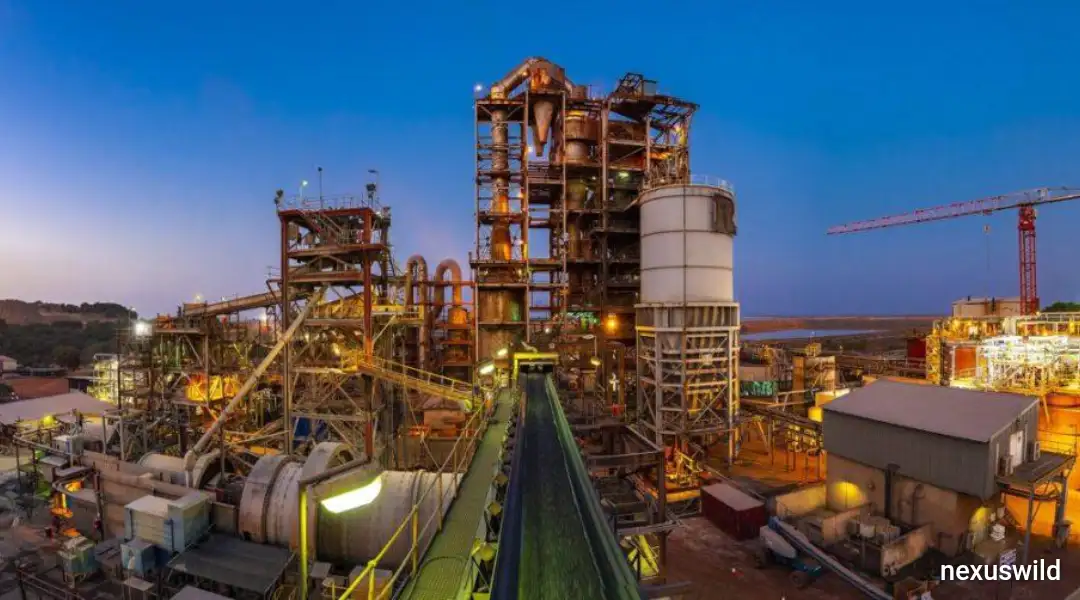
The third pillar focuses on minerals. The government plans to invest $1.5 billion. Ghana is rich in manganese, bauxite, lithium and gold.. Much of this is exported in raw form. The goal now is to process more of it at home. The plan includes targets for small-scale gold as well as raw manganese and bauxite. By doing refining and processing Ghana can keep more of the value from these minerals. That means jobs and higher government revenue. This is also important for markets. As the world shifts to energy, lithium and other minerals are in high demand. Ghana has a chance to become a player in this new economy.
Other pillars include tourism and creative industries. The government sees these as sources of jobs and foreign exchange. It wants to promote Ghana’s culture, music, film and art. The textile and garment sector is another focus. Ghana has a history of weaving and clothing production. The plan is to revitalize that industry with infrastructure and access to markets. The pharmaceutical and biomanufacturing sector is also important. The government wants to produce medicines locally. This would reduce reliance on imports improve health outcomes and create jobs. Finally the technology economy is a priority. The plan includes infrastructure, innovation hubs and support for startups. The goal is to create a knowledge-based economy.
All of these sectors depend on financing. The government says the $10 billion will not come from grants. It will come through a mix of investment, financing mechanisms, infrastructure development and private-sector funding. That means the private sector must be involved. Companies and investors will have to take the lead in building factories launching products and creating jobs. The government’s role is to set the stage—by ensuring stability, building infrastructure and creating the conditions for business to grow.
The financing model is built on two fiscal changes. First the government will lower its primary-surplus target by one percentage point of GDP. This frees up money for investment. Second it expects tax reforms and better enforcement of tax rules to bring in a 0.5% of GDP. In 2027 the budget has allocated GH¢30 billion for the programme. This is 1.5% of GDP. The government says this amount will be sustained over the four years.. The success of the plan depends on whether these numbers are actually achieved. If tax collection falls short or spending increases unexpectedly the government may have to choose between the programme, its goal and other spending needs.
The government has also set targets. It expects GDP growth of at least 5.2% in 2027. It wants to keep inflation around 8% within a range of two percentage points. By 2030 it aims for 8% GDP growth unemployment below 8% and a credible path to investment-grade credit status. These are goals. They will depend on how well the economy performs what happens with commodity prices and how stable the currency remains. They will also depend on how the New Economy programme is implemented.
In conclusion Ghana’s $10 billion programme is a shift. It moves the country from a focus on crisis recovery to a focus, on term industrial growth. The eight pillars are designed to work to build a stronger more self-reliant economy. The government is not just spending money. It is trying to create an economic model. It is trying to make Ghana produce more import less and keep more of the value from its resources. The success of this plan will depend on factors. It will depend on implementation, private-sector participation and the ability to manage risks.. If it works it could transform Ghana’s economy and create a new era of jobs and prosperity.
The government has set goals for the refining of gold from artisanal and small-scale mining. By December 2027 least 70% of this gold must be refined locally. The target is to reach 100% refining by December 2028. At that time exports of artisanal and small-scale mining gold will be banned. This is a policy, not a general rule for all gold production in Ghana. The deadline applies specifically to small-scale mining gold.
For manganese and bauxite the government plans to process least half of these minerals locally by the end of 2028. By the end of 2030 all manganese and bauxite should be processed within the country. The export of materials will also be prohibited.
This policy aims to attract investment in refining, metallurgy, industrial processing and related infrastructure. For bauxite the government wants to develop alumina refining and aluminium smelting capabilities. Lithium development will begin with refining and eventually move toward producing battery-grade chemicals, components and cells.
These plans could change how mining companies operate. They may need to build processing facilities form joint ventures or establish new partnerships with domestic industry players. However requiring processing comes with challenges. Refining plants need amounts of capital, reliable power, good transport, skilled workers and access to markets. If local processing costs are much higher than options it could hurt project economics and reduce export competitiveness.
To help with these challenges the government plans a critical-minerals processing enclave in the Western Region. The budget also includes a railway project in the Western Corridor. This railway will connect Takoradi to mining areas like Nsuta and Awaso and then to Nyinahin. It is meant to move manganese and bauxite to processing sites and export points.
The overall strategy combines changes in export rules with investments in transport and industrial capacity. Its success will depend on whether the government can deliver these infrastructure projects at a cost that makes business sense.
Beyond mining the government is expanding its focus. It has committed $1 billion each to tourism, textiles and pharmaceuticals.
In tourism the goal is to use Ghanas history, culture and creative talent to generate foreign exchange and jobs. The plan aims to go beyond tourism by building heritage tourism international conferences, cultural festivals and year-round travel experiences. This includes improving conservation and presentation of sites especially those linked to the transatlantic slave trade. Better visitor facilities, museums, archives, transport and trained guides are expected to support this growth. The economic benefits will spread to hotels, restaurants, transport services, artisans, event planners and local businesses.
For textiles and garments the government wants to boost manufacturing and connect Ghanaian producers with global fashion markets. This includes modernizing textile mills expanding garment factories and helping local brands reach export markets. This could create opportunities for manufacturers, designers, technicians, logistics firms and suppliers.. Success will depend on competitive production costs, quality, delivery times and access to international buyers. Just building factories is not enough without supply chains and real export demand.
Pharmaceuticals and biomanufacturing are also a focus. Ghana currently imports a part of its medicines. This leaves the country vulnerable to foreign exchange problems and global supply issues. The government plans to invest $1 billion to develop production with hubs in the Eastern and Central regions. The aim is to produce between 60% and 80% of medicines domestically by 2030.
This would improve medicine security and position Ghana as a pharmaceutical hub. Public procurement rules may be adjusted to favor made medicines when they are available in good quantities and meet quality standards. The opportunity is big. Local production requires strict quality control, regulatory compliance, special equipment, skilled staff and a reliable supply of active ingredients. The ambition for content must be matched by investment in manufacturing quality and supply chain strength.
The government is also making a push in technology. A $300 million investment is planned for 2027–2028. The focus is on two areas: creating a National Artificial Intelligence Centre and upgrading rural 2G networks to reliable 4G.
The AI centre will offer shared high-performance computing, secure data spaces, research labs, model testing, training and support for startups. The government hopes this will help businesses, researchers, universities and public institutions access tools they might not be able to afford on their own. Potential uses include agricultural advice, medical research, energy efficiency, mining optimization, logistics, support for Ghanaian languages and improved public services.
The rural internet upgrade is equally important. Faster reliable internet can help farmers get weather and market updates allow small businesses to accept digital payments and connect them with customers beyond their local areas.
The AI centre should not be seen as a functioning system. Its success depends on implementation, access to computing resources, research collaborations, stable electricity, skilled staff and quality data. The government will also need to ensure data protection, security and responsible use of AI.
For tech companies and investors this commitment shows an effort to make Ghana a stronger player in Africa’s economy. It could open doors in cloud services AI research, telecoms, software, training and startup support.
Finally the New Economy programme comes with a focus on debt repayment. Restoring investor confidence. The government is working to reduce risks and create a more stable environment, for private investment. This is part of an effort to rebuild trust and attract the capital needed to support long-term growth.
Nexuswild welcomes factual corrections. Email contact@nexuswild.com with evidence and the article URL.