
Amazon Global Selling Crosses $27 Billion in Cumulative Exports From India, Targets $80 Billion by 2030
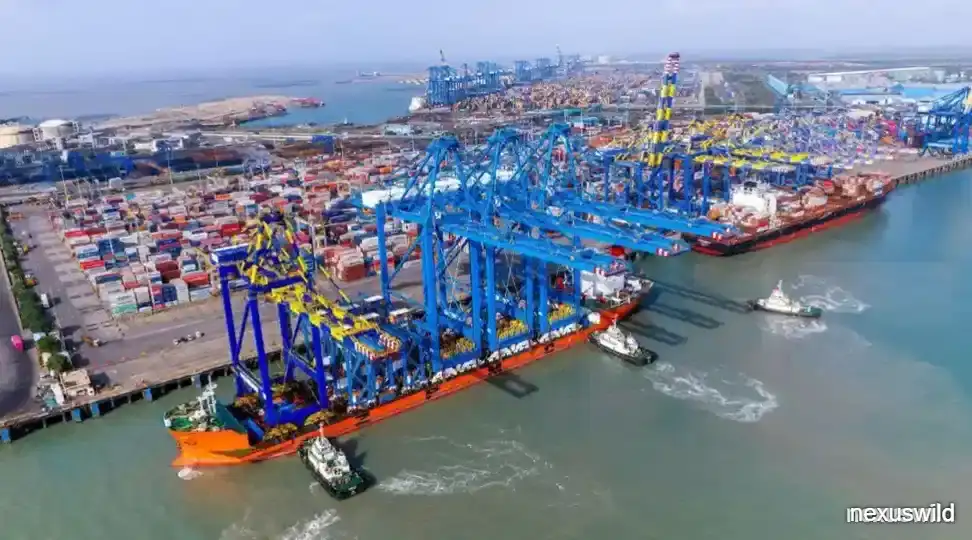
Amazon's Global Selling programme has crossed $27 billion in cumulative e-commerce exports from India since 2015, supported by more than 240,000 registered exporters. The company is targeting $80 billion in cumulative exports by 2030, while expanding its focus on Indian manufacturing clusters, textiles and smaller-city businesses.
Amazon announced on November 25, 2026, that its Amazon Global Selling programme had surpassed $27 billion in cumulative e-commerce exports from India. The milestone represents the value of exports facilitated through the company's international marketplace network since the programme launched in 2015.
The programme now has more than 240,000 registered Indian exporters, representing 20% growth in its exporter base over the past year. Collectively, these businesses have sold more than one billion Made-in-India products to customers through Amazon's international marketplaces.
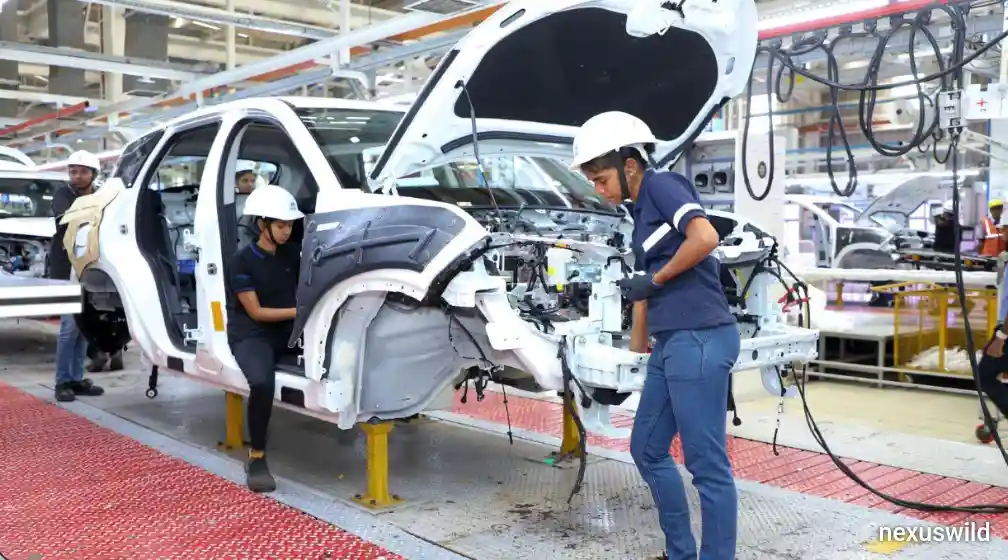
The announcement also highlights the growing participation of businesses outside India's largest metropolitan centres. Exporters from more than 200 cities and towns are using the programme to reach overseas consumers, while Amazon is increasing its focus on textile manufacturing clusters and industry partnerships.
The company has set a target of enabling $80 billion in cumulative e-commerce exports from India by 2030.
From a 2015 launch to a $27 billion export milestone
Amazon Global Selling began in India in 2015 to help Indian businesses list products on Amazon's international marketplaces and reach customers outside the country.
The programme offers sellers access to overseas consumers through Amazon's marketplace infrastructure. Depending on the destination market and the seller's chosen operating model, businesses can use services covering product listings, international fulfilment, customer service and marketplace advertising.
The latest $27 billion milestone indicates the cumulative scale reached by the programme over approximately 11 years.
Amazon also reported that its exporter base increased from approximately 200,000 to more than 240,000 over the past year. The increase suggests that participation is expanding, although the registered exporter figure should not be confused with the number of sellers actively exporting in a particular reporting period.
The company says its Indian exporters operate across 28 states, seven Union Territories and more than 200 cities and towns. Its network gives sellers access to more than 18 international Amazon marketplaces.
The distinction between marketplace exports and national export statistics is important. Amazon's $27 billion figure measures activity attributed to its own programme. It is not India's total e-commerce export value, nor does it represent all exports generated by Indian MSMEs.
Amazon's $80 billion target by 2030
The new milestone advances Amazon's commitment to enable $80 billion in cumulative e-commerce exports from India by 2030.
The target reflects the company's ambition to make cross-border digital commerce a larger route to international markets for Indian manufacturers, entrepreneurs and consumer brands.
Amazon previously reported crossing $20 billion in cumulative exports in October 2025. The increase to $27 billion by November 2026 represents another $7 billion in cumulative exports.
However, the $80 billion ambition will require continued expansion in exporter participation, product availability, international demand and the ability of Indian businesses to meet the commercial requirements of overseas markets.
The cumulative target should not be interpreted as a guaranteed annual export forecast. Actual progress will depend on seller growth, repeat purchasing, product competitiveness, logistics costs, marketplace policies, currency movements and trade conditions.
For Indian exporters, the opportunity is substantial, but international marketplace access alone does not guarantee sustainable profitability.
More than 200 cities are participating in cross-border commerce
One of the more significant elements of Amazon's announcement is the geographic spread of its exporter network.
The programme is no longer limited to businesses based in major commercial centres. Manufacturers, artisans, traders and consumer brands from smaller cities are also participating in international online sales.
Amazon's state and Union Territory figures place the National Capital Territory of Delhi at the top, with more than 36,000 registered exporters. Rajasthan follows with over 32,500, Uttar Pradesh with more than 29,000, Gujarat with more than 28,000 and Maharashtra with more than 23,500.
These figures are programme registrations, not a ranking of the total export value generated by each state.
Gujarat's role in Amazon's exporter network
Gujarat has more than 28,000 exporters registered on Amazon Global Selling, according to the company's announcement.
The state's manufacturing and trading base provides a range of potential products for international marketplaces, including textiles, home furnishings, handicrafts, industrial and lifestyle products.
Anand also features prominently in Amazon's city-level figures. Exporters from the Gujarat city recorded more than $69 million in sales between January 2025 and the third quarter of 2026.
Kutch, another important manufacturing and craft region, crossed $31 million in sales during the same reporting period.
These figures illustrate how export participation can extend beyond large urban commercial centres. They also show the potential for digital marketplaces to connect regional manufacturing capabilities with international consumer demand.
Nevertheless, marketplace sales figures do not reveal the profit margins, number of active exporters or share of exports generated by individual product categories in each location.
Erode, Moradabad and other manufacturing clusters gain international reach
Amazon highlighted several smaller cities that have recorded substantial sales through its Global Selling programme.
Erode in Tamil Nadu led the listed locations, with exporters recording more than $121.5 million in sales between January 2025 and Q3 2026.
Moradabad in Uttar Pradesh followed with more than $83 million, while Anand in Gujarat crossed $69 million.
Other highlighted locations include Haridwar, Panipat, Kangra, Kanpur, Agra, Kutch, Alappuzha and Kanchipuram.
These locations have different manufacturing and commercial strengths. Moradabad is associated with metalware and handicrafts, Panipat with textiles and home furnishings, Kanchipuram with silk textiles, and Bhadohi with carpets and rugs.
The figures suggest that online export infrastructure can help businesses from established manufacturing clusters find customers beyond traditional wholesale and distribution channels.
For a small manufacturer, reaching international buyers previously involved building relationships with importers, distributors and overseas retailers. Marketplace platforms can reduce some of those customer-discovery barriers by providing a digital storefront and access to an existing international customer base.
However, sellers still need to manage product quality, packaging, export documentation, shipping, returns, compliance and customer expectations. Digital distribution does not eliminate the operational complexity of exporting.
Health, beauty, grocery and textiles lead category growth
Amazon also reported strong growth across several product categories over the past decade.
Health and personal care recorded a 45% compound annual growth rate, making it the fastest-growing category in the company's reported figures. Grocery followed at 44%, while beauty grew at 42%.
Other categories included toys at 35%, home textiles at 30%, furniture at 27% and apparel at 23%.
These are programme-specific growth rates reported by Amazon. They should not be treated as growth rates for the entire Indian export industry or as independent measurements of global demand.
The category mix is nevertheless noteworthy.
Health and personal care and beauty reflect the opportunity for Indian brands to sell specialised consumer products internationally. Grocery provides a route for selected Indian food products to reach overseas customers, subject to destination-market food regulations. Toys, furniture and textiles represent opportunities for manufacturers that can compete on design, quality, safety and delivery.
Home textiles and apparel have become particularly important to Amazon's 2026 export strategy.
Bhadohi rug cluster initiative and textile export partnerships
Amazon announced a cluster-led initiative in Bhadohi, Uttar Pradesh, aimed at expanding the region's rug-manufacturing potential and increasing exporter participation.
Bhadohi is an established carpet and rug production centre. The initiative is intended to help more businesses from the cluster access international e-commerce markets.
Amazon also signed memorandums of understanding with three textile export promotion councils:
- Apparel Export Promotion Council (AEPC)
- Carpet Export Promotion Council (CEPC)
- The Cotton Textiles Export Promotion Council (TEXPROCIL)
The partnerships are intended to strengthen industry collaboration and expand export opportunities for Indian textile businesses.
The announcement connects these initiatives with India's broader ambition to achieve $100 billion in textile exports by 2030.
That national ambition is separate from Amazon's own $80 billion cumulative e-commerce export target. The two figures measure different objectives and should not be combined.
For textile manufacturers, marketplace participation could offer a route to build direct international demand for home furnishings, apparel, rugs and other products. But scaling exports will also require consistent manufacturing quality, reliable sourcing, product differentiation, competitive pricing and compliance with destination-market requirements.
How cross-border marketplaces can change the MSME export model
Traditional exporting often involves several intermediaries between a manufacturer and an overseas consumer. Manufacturers may sell to domestic traders or export houses, which then work with foreign distributors, wholesalers and retailers.
E-commerce marketplaces can create an alternative route.
A manufacturer can list products directly on an international marketplace, build a brand identity and reach customers in multiple countries. This may improve market visibility and provide access to consumer demand that would otherwise be difficult for smaller businesses to reach.
The model can be particularly useful for businesses producing differentiated goods, including handicrafts, home textiles, apparel, beauty products and selected packaged consumer goods.
But the benefits are not automatic.
Sellers must account for marketplace commissions, international fulfilment charges, advertising costs, taxes, customs requirements, product returns and foreign-exchange exposure. Competition with established international brands can also place pressure on pricing.
A business that receives international orders may still struggle to achieve sustainable margins if shipping, returns and customer acquisition costs are too high.
The strongest long-term beneficiaries are likely to be businesses that combine marketplace access with product quality, distinctive branding, efficient operations and repeat customer demand.
Export opportunities and the challenges ahead
Amazon's $27 billion milestone comes as Indian exporters continue to navigate changing trade conditions, including tariff uncertainty and differing regulatory requirements across international markets.
The United States and European markets offer substantial consumer opportunities, but sellers must understand product-specific duties, labelling requirements, safety standards and import rules.
Food and personal care products, for example, can face additional regulatory requirements that differ significantly by destination country. Textiles and apparel may also need to meet specific product, material and labelling standards.
Logistics is another major factor. International shipping speed, inventory management, customs clearance and return handling can affect customer satisfaction and seller profitability.
For smaller manufacturers, access to working capital can also become a constraint as international orders increase. Exporters may need to finance production and inventory before receiving marketplace proceeds.
Amazon's focus on AI-led innovation, capacity building and ecosystem partnerships could help address some operational challenges. However, the company has not established that these tools alone will resolve the underlying costs and compliance requirements associated with exporting.
What to watch as Amazon works towards 2030
The next phase of Amazon Global Selling's growth will be measured by more than the cumulative export milestone.
Important indicators will include the number of active exporters, repeat sales, the share of exports coming from smaller cities, growth in higher-value product categories and the profitability of participating businesses.
The expansion of textile-sector partnerships and the Bhadohi cluster initiative will also be worth tracking. Their impact should be assessed through actual exporter onboarding, overseas orders and sustained sales rather than announcements alone.
For Gujarat, the performance of exporters in Anand and Kutch provides a useful regional indicator. More detailed information about active sellers, product categories and repeat export activity would help determine how much of the state's manufacturing base is benefiting.
Amazon's $80 billion target is ambitious, but the programme has already demonstrated that digital marketplaces can connect a large network of Indian businesses with overseas consumers.
The larger opportunity is not simply selling more Indian products online. It is helping regional manufacturers build internationally competitive brands, strengthen production capabilities and establish durable customer relationships across borders.
The $27 billion milestone marks significant progress for Amazon's own export programme. Whether that momentum translates into broader, more profitable MSME participation will depend on the economics of exporting—not just the number of sellers registered on a marketplace.
Nexuswild welcomes factual corrections. Email contact@nexuswild.com with evidence and the article URL.