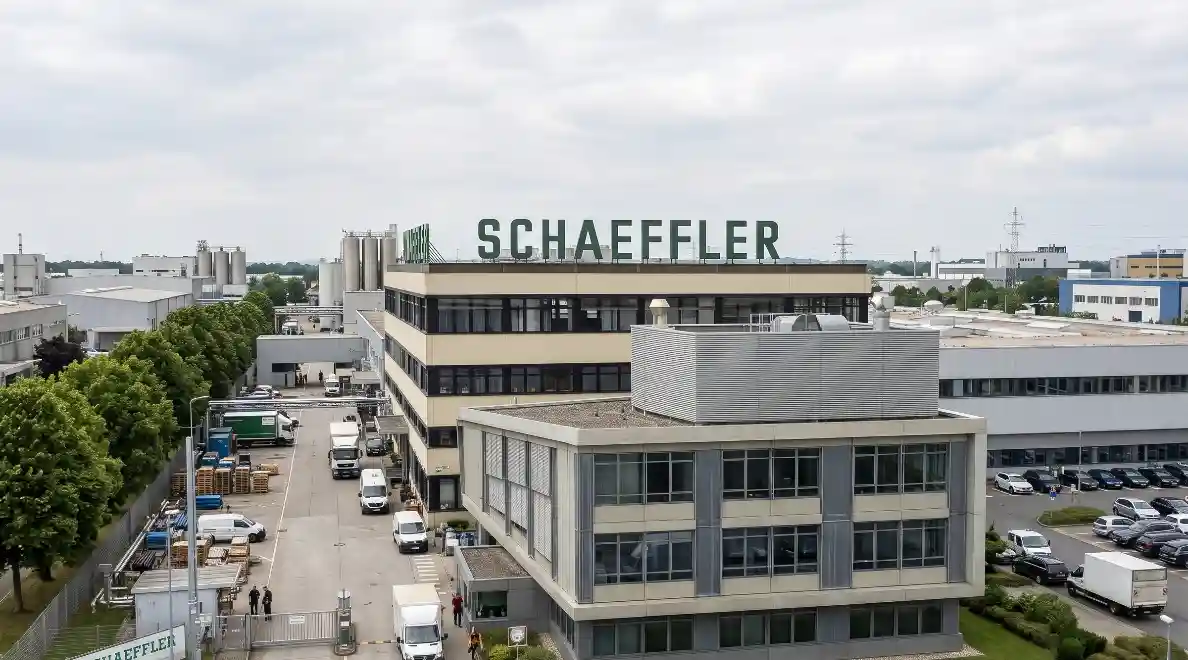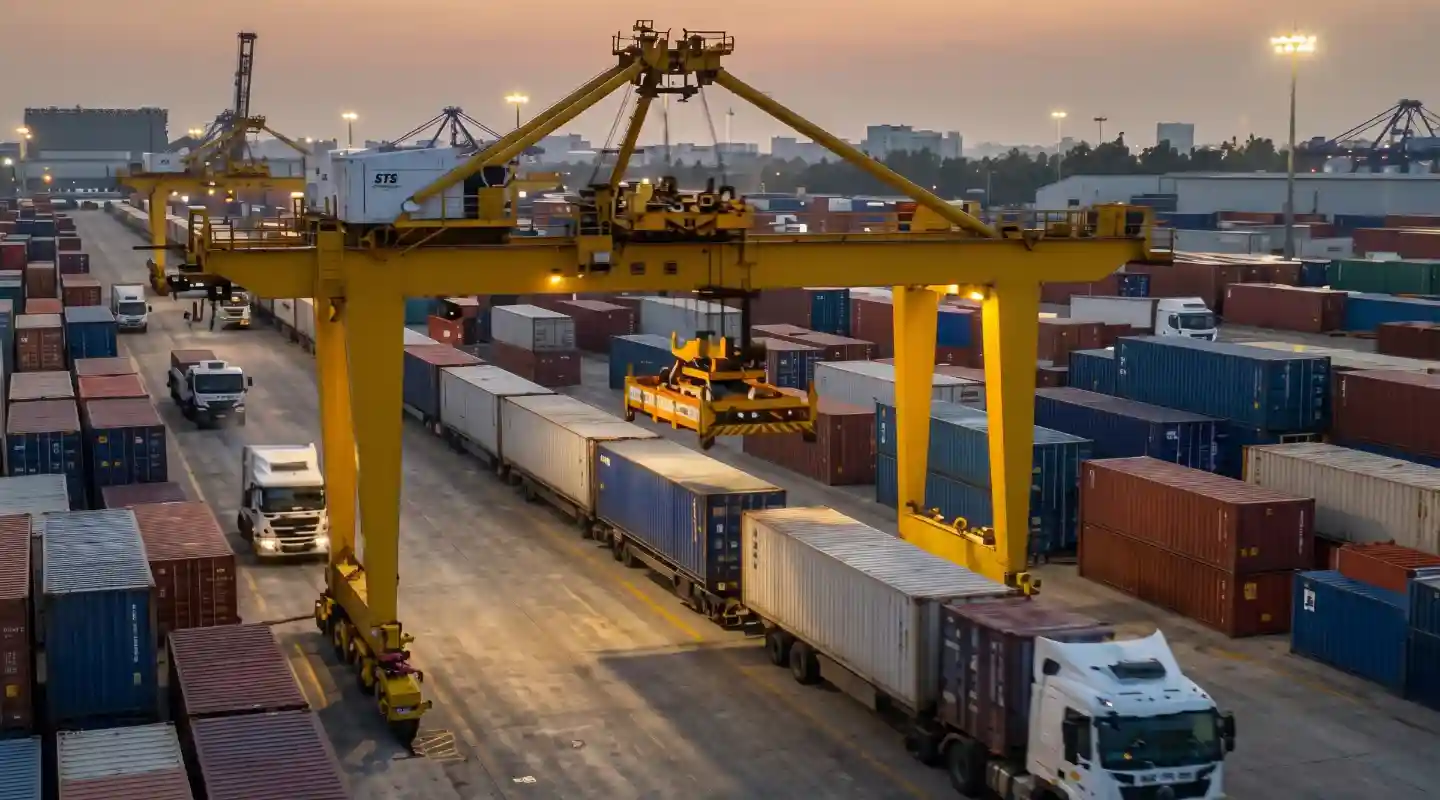

supply chains are undergoing a major change as companies think again about where they make products, where they get parts and where they set up long-term business operations.
For years international manufacturers built production networks around cost efficiency access to skilled workers and being close to suppliers. China became a manufacturing center while Japan, South Korea and Taiwan developed important roles in industries like electronics, cars, machinery and semiconductors.
Rising political tensions, trade restrictions, taxes and supply chain problems are making companies want to spread out their manufacturing operations.
The United States has become a place for this kind of investment especially in areas connected to high technology, energy systems, car production and industrial manufacturing.
On November 3 2026 the head of Citis business said that investments by Japanese South Korean and Taiwanese companies in the United States were expected to keep growing. Ernesto Torres Cantu, who is in charge of Citis business outside North America talked about increasing investment activity in the area. Said that business coming into North America was growing at a double-digit rate.
He explained that investment usually happens in steps. Companies first buy land then build factories and later invest in equipment, operations and support systems.
This means that a planned investment can create activity over many years instead of being a single payment.
This trend is important because it shows how companies are changing their production networks instead of just moving entire businesses from one country to another.
Japans $550 Billion Investment Commitment Supports New Projects
Japan is one of the important foreign investors in the American economy with strong business connections across manufacturing, car production, energy and financial services.
The size of its investment is shown in data from the US Bureau of Economic Analysis. At the end of 2025 Japan had the foreign direct investment position in the United States among foreign countries valued at about $776.3 billion.
This number shows the value of Japanese-owned investment in America not the amount invested in a single year.
In September 2025 Japan and the United States created an investment agreement that includes a $550 billion Japanese commitment in investment, loans and other financial arrangements.
The agreement is meant to help American industry grow and create chances for Japanese companies and their suppliers.
One of the updates came on October 15 2026 when the Japanese government said it agreed on a semiconductor manufacturing project in New York.
The first project is expected to cost $10 billion with construction starting by the end of 2026. The facilities could grow with investment taking the total project cost to about $21 billion.
The project focuses on types of semiconductors used in cars, industrial machines, smartphones and AI data centers.
Japanese companies could also benefit by supplying equipment, materials and parts. Tokyo Electron and SCREEN Holdings have shown interest in supplying semiconductor equipment while Tokyo Ohka Kogyo is interested in materials and parts. Renesas Electronics is expected to buy the products.
This shows that international investment can create chances for businesses beyond the company that runs the factory.
Japanese suppliers might get new customers and American manufacturers can strengthen their production.
Korean Companies Expand Their American Business Interests
South Korea is another important part of the changing investment scene.
Its companies have international operations in shipbuilding, car manufacturing, electronics, batteries and energy technology. Their expansion in the United States is more about working and making supply chains more secure.
Under an investment agreement South Korea promised a $350 billion investment plan for the United States. The plan splits the amount into $150 billion for shipbuilding and $200 billion for projects in industries.
On October 1 2026 Seoul and Washington announced projects under the plan.
One big project is Project Star, a gas-fired power plant in Texas that will supply electricity to AI data centers. The planned plant has a capacity of 6,472 megawatts. Is expected to cost about $22.3 billion.
Operations are expected to start in stages from 2029 with operations by 2032.
South Korea also announced Project Power, a plan to possibly build eight reactors through cooperation. The plan could cost up to $120 billion, including costs and a backup fund. Specific projects and investment plans still need work.
Another project, Project North involves looking at the possibility of building an LNG pipeline and terminal in Alaska. Its business potential and legal needs will need to be checked before a decision is made.
Korean companies are also growing their industrial presence in the US. Hanwha Groups investment in the Philadelphia shipyard is one example. The company has a $5 billion plan to expand shipbuilding.
These changes show that South Koreas investment plan is not about traditional manufacturing. Energy systems, shipbuilding and power generation are also important in its relationship with the United States.
Taiwanese Technology Companies Strengthen US Semiconductor Production
Taiwan is very important in the semiconductor industry especially in making advanced chips for phones, computers, cars and AI systems.
The countrys technology companies are increasing their work in the United States as demand for devices and more varied supply chains continues.
Taiwans government announced on October 22 2026 that local companies had committed a $20 billion in US investment after an earlier plan of about $35 billion from 20 semiconductor and AI-server companies.
These new commitments cover chances in semiconductor manufacturing AI server production and related industries.
TSMCs expansion in Arizona is very important.
In July 2026 the company said it added $100 billion to its US investment making the total planned US investment $265 billion. The new plan includes four advanced chip factories and packaging facilities taking the total to 12 factories in the US.
TSMC said the investment was to support long-term needs from US customers and to help the US semiconductor system grow.
This is important because advanced chips are needed for AI, high-performance computing and modern devices.
More production in the US could help companies spread out their manufacturing and rely less on a places.
Making semiconductors needs a lot of money, special equipment, skilled workers and good infrastructure. Factories can take years to build and get ready before they start making money.
So the US expansion is a long-term choice, not a change in the global supply chain.
Tariffs and Geopolitical Risks Are Reshaping Manufacturing Decisions
Trade policy is now a part of decisions about where to make products.
Tariffs can make it more expensive to import finished products and parts pushing companies to think about making things closer to customers to improve their long-term money situation.
For companies selling a lot in the US making things locally can help get more access to the market and lower some costs from imports.
Manufacturing choices are not just about tariffs.
Companies also think about wages, energy prices, transport costs, availability of suppliers, taxes and rules.
Political events are another thing to think about. Companies are trying to avoid being too dependent on one country or a single trade route because sudden trade limits and tensions can stop their work.
Citis November 3 report said that political problems like what's happening in the Gulf are making big companies think again about their trade flows and supply chain setups.
This means that investments in the US are part of a plan to spread out risks.
Companies might keep factories in Asia while building more in the US. This way they have options without leaving their main markets.
This approach is sometimes called supply chain diversification or a China-plus-one plan. The exact way it works can change by industry.
For companies in areas like semiconductors, energy and shipbuilding politics can also affect where they decide to invest.
The end result is a manufacturing world where making money and being secure are becoming more important.
US Manufacturing Attracts Investment Beyond Asia
The growing interest from Japanese Korean and Taiwanese companies is part of a bigger rise in foreign investment in American manufacturing.
According to the US Bureau of Economic Analysis the total investment from countries in the US went up by $266 billion to around $5.86 trillion by the end of 2025.
Manufacturing was 42.8% of the foreign investment with electrical equipment and parts manufacturing seeing the biggest increase.
The data also shows that Japan is the foreign investor, ahead of the Netherlands, Canada and the UK.
It is important to know the difference between the total investment and new projects. The $5.86 trillion number is the total of all investments not the money added in 2025 or 2026.
The semiconductor industry shows how big the US manufacturing goals are.
The Semiconductor Industry Association said in September 2026 that companies had announced than 160 semiconductor projects across 30 US states since 2020. These projects are expected to have over $828 billion, in investment.
These projects include factories, equipment, materials and support systems.
The announced investments show how US industrial plans and private company choices are working together to grow production.
However some projects stay at the planning or development phases and the investment totals that are announced should not be mixed up with completed construction or actual production.
Local Suppliers and Industrial Ecosystems Become More Important
Building a factory in the United States does not automatically create a domestic supply chain.
Manufacturing facilities need thousands of suppliers that provide components, industrial equipment, raw materials, packaging, maintenance services and special technology.
If these suppliers are still mostly overseas companies might still rely on transport even after moving production to America.
This issue is especially important for manufacturing.
A semiconductor facility needs chemicals, materials, precision machinery and reliable infrastructure. Automotive manufacturers depend on parts suppliers, battery makers and logistics companies. Shipyards need steel, electronic systems and special equipment.
US officials recognized this issue during a visit to Hanwha Philly Shipyard in August 2026. They said foreign investors were facing gaps in supplier networks and emphasized the need to help small and medium-sized American businesses grow to support new industrial demand.
The government has also talked about a Strategic Vendor Program meant to link invested manufacturers with American suppliers.
This shows why successful supply chain relocation requires more than building individual factories.
It also needs investment in suppliers, skilled workers, logistics infrastructure and industrial services.
For businesses building relationships with American suppliers could improve how reliably they operate and make it easier for them to serve local customers.
For the United States bringing in manufacturers could help domestic industrial development as long as the investments lead to lasting production and local economic involvement.
Investment Commitments Do Not Guarantee Immediate Production Growth
Even though the announcements are large expanding manufacturing operations in the United States will take time.
Companies need to get land get planning and environmental approvals build facilities, install equipment and hire employees.
Semiconductor factories have strict requirements because the production environments must meet strict standards for temperature, cleanliness and precision.
Energy and industrial projects also need reviews, financing agreements and long-term commercial deals.
The investment numbers that are announced by governments and companies therefore represent stages of financial commitment.
Some are agreements between two countries. Others are estimates for projects company plans for spending or proposed financing arrangements that include loans and guarantees.
This difference is important because an announced investment target does not mean that the full amount has already been spent.
Citis point that investment happens in stages is relevant here. Companies might pay for land and construction first before spending more on manufacturing equipment, production systems and operating capacity.
Projects might also face delays if construction costs go up customer demand changes. If getting regulatory approvals takes longer than expected.
For investors the important signs will be how much construction is done, spending on capital when production starts, supplier agreements and how well the completed facilities perform commercially.
What Happens Next for Businesses and US Supply Chains?
The next stage of investment will depend on how companies react to trade policy, technology needs and the costs of running manufacturing facilities in America.
Japanese businesses are expected to stay as investors across semiconductors, energy and industrial equipment. Korean companies may increase their involvement in shipbuilding, advanced manufacturing and power infrastructure.
Taiwanese technology suppliers are likely to stay closely connected to the growth of semiconductor and AI server capacity.
At the time investment between Asia and other markets is also growing. Citi noted the increase in -border business involving India and China as well as chances from better trade relationships between Britain, India and other areas.
This suggests that global businesses are not simply moving one manufacturing location to another. They are creating varied international networks.
For the United States the challenge is to turn investment promises into working factories, competitive suppliers and lasting jobs.
For companies success will rely on keeping construction costs in check getting skilled workers and making sure that overseas production remains profitable.
Asian businesses are increasing their investments in the United States as global supply chains react to shifting trade policies, political risks and rising demand for technology.
Japans $550 billion investment plan, South Koreas $350 billion strategy and Taiwans growing commitments in semiconductors show how large the economic relationship is becoming across the Pacific.
Recent projects in semiconductors, energy and shipbuilding show the trend goes beyond factories. It is helping build industrial ecosystems that involve suppliers, infrastructure providers and financial institutions.
However the announced promises will take years to become production capacity and companies must handle major challenges with building, rules and running operations.
The future of manufacturing will depend more and more on varied production networks that balance cost, technology, supply safety and being close to customers.
For companies expanding in the United States is becoming a key part of that plan. For America the chance is to use investment to build a stronger and more stable industrial base, at home.
Nexuswild welcomes factual corrections. Email contact@nexuswild.com with evidence and the article URL.