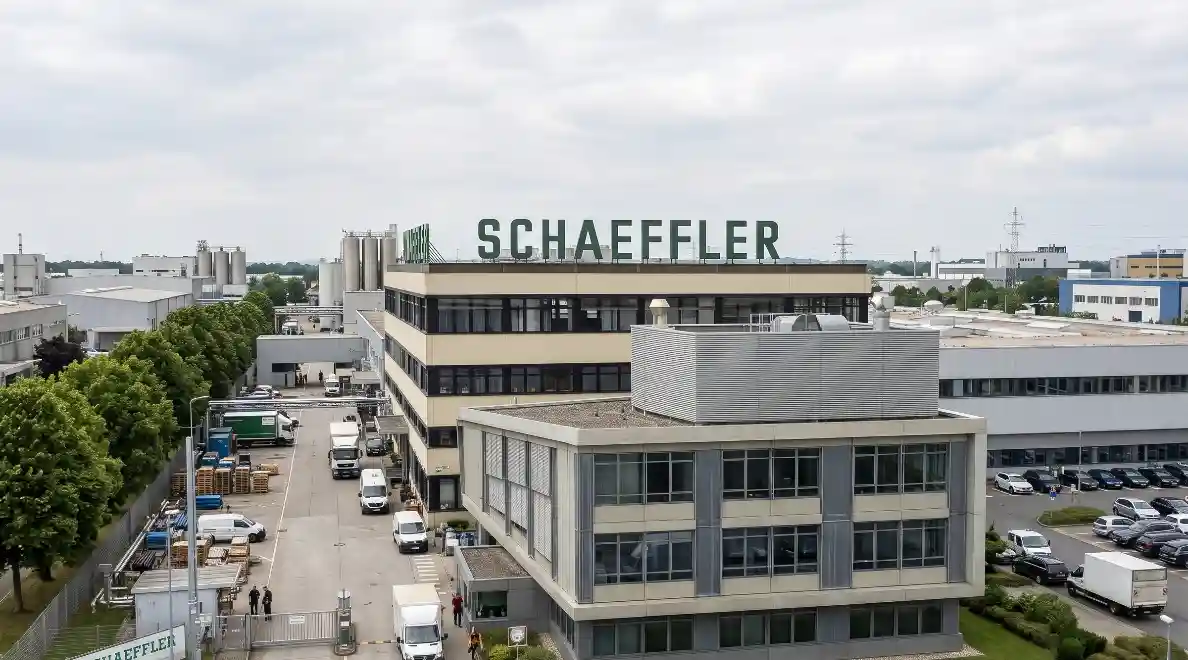

Europes automotive manufacturing industry is going through another big change as German supplier Schaeffler is preparing to cut thousands of jobs across its operations.
The company said on November 3 2026 that it plans to cut its workforce by 3,460 jobs across Europe as part of a new performance improvement programme. These changes will affect 16 locations, with Germany being the area for the planned job cuts.
2,660 jobs are expected to be cut in Germany while another 800 jobs are planned in other European countries.
The changes also include shutting down five facilities, four in Germany and one in Belgium. The other affected locations will have changes involving production capacity, research work and company structure.
Schaeffler said the programme is meant to deal with manufacturing capacity, lower staff costs and make the company structure simpler.
The company is reacting to an automotive situation that has weak demand for cars with engines, slower growth in electric vehicles and stronger competition from other countries.
This announcement comes after changes made in November 2024 showing that the pressure on European car suppliers is still there even after previous cost-cutting efforts.
For Schaeffler the goal is to make money and make its European businesses more competitive. However the announcement also shows the problems with jobs and industry that are affecting Germanys car suppliers.
Germany is facing the biggest number of job cuts
Germany will have about 2,660 of the 3,460 jobs that Schaefflers new plan is targeting.
These cuts make up 9% of the companys German main workforce, which had 31,957 employees as of September 30 2026.
When the new plan is combined with changes and about 1,800 recent partial-retirement agreements Schaeffler estimates that the total effect on the German main workforce will be about 18%.
The company plans to close four sites.
These include Dortmund, which currently has 430 employees and Morbach, where around 160 people work. Both sites are part of the Powertrain & Chassis division. Make parts for engines.
Operations at the Berlin site, which has around 270 employees are also scheduled to stop.
The company also plans to close its Schwalbach site. Most of its 385 employees will move to Schaefflers Frankfurt location. Around 190 jobs will be affected by this change.
In addition to the site closures the company plans to stop toolmaking at Höchstadt and change special machinery manufacturing at Erlangen and Schweinfurt.
More changes are planned at Herzogenaurach, Bühl, Nürnberg and Regensburg.
These changes show that the plan is not about closing factories. Schaeffler is also changing production networks bringing together activities and changing how its European sites operate.
The changes affect more than Germany
Even though Germany will have the most job cuts Schaefflers plan also includes other European countries.
The company plans to adjust production and development at its sites in Haguenau and Toulouse.
In Slovakia the Skalica and Kysuce sites will also have changes as Schaeffler looks at its production in Europe.
In Belgium the company plans to close its site, which has about 15 employees.
These changes will affect 16 locations in total.
The company says the changes will be done through discussions with workers and local groups. Its existing Future Accord from 2018 will help with these talks. Ensure the changes are done in a fair way.
Most of the changes are expected to happen in 2027 and 2028.
This schedule means that the job cuts should not be seen as immediate for all sites. The final plans will depend on talks chances to move, voluntary steps and the schedule for each site.
The company also says some jobs might be created in areas, which could help with the job cuts.
For employees, areas and suppliers the changes will cause uncertainty about future work and jobs.
Weak demand for cars and the move to vehicles are reasons for the changes
One of the main reasons for the changes is the ongoing gap between what is being made and what is being bought.
European car suppliers have built their production around making parts for cars with engines.
The car market is changing. Companies are investing in cars, hybrid systems, software and better mobility options.
This change is happening at speeds in different places.
Demand for parts for engines is getting weaker while electric cars are not growing fast as some makers and suppliers expected.
This makes it hard for companies that work with types of vehicles.
Suppliers need to keep making parts for existing customers while also investing in technologies that need different machines, skills and ways of working.
If electric car plans take longer or make cars than expected plants built for more production can be underused.
Schaeffler says these issues are reasons for its latest changes.
The company is also facing competition, especially from Chinese car makers and suppliers.
Chinese companies have grown in making parts for cars, batteries and other car tech. This is making it harder for makers in both their own markets and abroad.
For suppliers like Schaeffler the challenge is to stay profitable while changing what they make to fit what customers want.
High costs of making things in Germany are making things harder
Another big reason for the changes is the cost of making things in Germany.
Wages, energy prices running costs and the cost of buildings can make production more expensive than places.
Schaeffler CEO Klaus Rosenfeld told Reuters that wages in Germany were 2.5 times higher than in other European countries.
This difference makes it harder when companies compete in markets where customers care a lot about the price of parts.
Manufacturers have to decide if they can make products profitably at sites while keeping quality, delivery and tech standards.
Schaeffler plans to bring some work in certain areas combining production and tech while making things simpler.
The company also wants to cut down on management layers and give responsibility to the right people.
These changes are part of an effort to save money without just cutting jobs.
The company also suggested a way for different parts of the company to share the cost. This might include a short-term chance to take pay and the details are still being worked out.
Reuters reported that the management team wants to take 10% pay over two years.
This is meant to help save money in 2027 and 2028 and reduce the number of jobs that need to be cut.
Schaeffler wants to save €300 million every year by 2030
Improving money is a goal of Schaefflers latest plan.
The company thinks the changes will bring in about €300 million in money every year starting from 2030.
The changes will need a lot of money upfront. Schaeffler thinks it will cost about €480 million for the changes with most of that being recorded in 2026.
The savings will come from wages, less extra production, fewer managers and a simpler way of making things.
The money benefits are expected to come as the changes happen.
This is important because the first cost of the changes will affect the companys money before the savings are fully seen.
The company will also have to deal with moving costs, job agreements, site closings and possible problems with work.
The overall money success of the plan will depend on whether lower costs can make up for the costs of the changes and weaker conditions in some car markets.
For investors the €300 million target is a possible improvement but it is still a guess from the company.
Recent money results show the industry is having a time
Schaefflers plan for changes came with its money results for the first nine months of 2026.
The company said it made €17.48 billion compared with €17.67 billion in the time last year. This was a drop of 1.1%. The money was only down 0.4% when not counting changes in currency.
EBIT before items went up 6.5% to €794 million compared with €746 million the year before.
The EBIT percentage was up to 4.5% from 4.2%.
The third quarter showed weaker progress.
Revenue was €5.81 billion down 0.2% when counted normally and 2% when not counting currency changes. EBIT before items went down 7.2% to €245 million compared with €264 million the year before.
The company also had about €220 million in costs in the third quarter mostly from machines that were not needed anymore because of fewer projects, especially in China.
This shows the problems that car suppliers are facing. Machines bought for expected projects can be unused when the plans change.
Schaeffler kept its year 2026 forecast expecting revenue between €22.5 billion and €24.5 billion and an adjusted EBIT percentage of 3.5% to 5.5%.
Its nine-month free cash flow was down to €40 million compared with positive €47 million in the previous year.
The results show why management is focusing on making things more efficient though the improvement in nine-month money shows that the companys variety of work still helps.
Schaeffler is also looking at areas, beyond traditional car making
with the planned job cuts Schaeffler is still investing in areas that are not just car making.
The company says its plan is to become a Motion Technology Company, with chances in many industrial areas.
One of the areas that interests them is robot people.
Robot people need parts and tech like motors moving parts, exact mechanical systems and ways to control movement.
Schaeffler already has engineers who could help supply parts for this growing business.
The company is also looking at the area as a place to grow.
These efforts might help the company not rely much on old car parts and create more chances for making and building things.
New businesses need money and work to grow. They won't just take the place of money and jobs from car projects.
Schaeffler said that some of the jobs lost from cutting back could be replaced with jobs in new areas.
This shows the company is trying to change who works there of just cutting back permanently.
How well this plan works depends on how fast new markets grow and if the company can use its skills to make money from customers.
Earlier Restructuring Shows the Scale of the Challenge
The latest news comes after another change in 2024.
At that time Schaeffler said it would cut 4,700 jobs in Europe. Some factory moves would lower the number of jobs lost to about 3,700.
In October 2026 the company said 3,715 jobs were gone by September 30 which's about 79% of the original plan.
They also said they had plans in place for the rest of the jobs and the plan should finish by the end of 2028 earlier than expected.
The earlier plan was supposed to save about 290 million euros each year by 2029. Schaeffler thought the final savings would be than 20% higher.
In October 2026 the company also ended about 1,768 part-retirement deals.
The new news shows that finishing changes hasn't removed the need for more changes.
The company now has a phase of changes as it tries to match its production with a fast-changing car market.
For the European industry this means more changes could happen beyond just one company as factories react to new tech, more competition and different ways to make things.
What Happens Next for Schaeffler and European Manufacturing?
The next two years will be important for Schaeffler as it talks with workers and starts the way of making things.
The company must handle closing factories moving production and changing workers without stopping customer orders.
Its ability to grow in robot people, military and other motion areas will also decide how well it replaces car work.
For Germany the news brings up questions about how well its factories can keep up.
European car companies are trying to control costs while competing with companies from places that may have different costs ways to make things and supply chains.
The move to cars adds more uncertainty because suppliers must decide how much to keep for old cars and how quickly to invest in new tech.
Investors are watching if Schaeffler gets the savings it expects while staying profitable keeping cash and its money to give to shareholders.
Employees and local areas are focused on the talks. What happens to jobs.
Schaefflers plan to cut 3,460 jobs in Europe shows the problems the European car-making industry is facing.
The companys latest changes show demand for parts that use gas engines slower than expected change to electric cars, competition from other countries and high costs in Germany.
The planned closing of five places and cuts in making, research and development show how big the changes need to be.
Schaeffler expects about 300 million euros in savings each year from 2030. The plan will have high costs and tough talks with workers.
The company is also looking at robot people, the military and other motion areas for growth.
The bigger point is that Europes car change is not about new cars. It is also changing factories, jobs, where money is spent and how strong suppliers are in the run.
For Schaeffler the challenge is to cut costs and change, to markets while keeping the engineering skills and making experience that have helped the company for many years.
Nexuswild welcomes factual corrections. Email contact@nexuswild.com with evidence and the article URL.