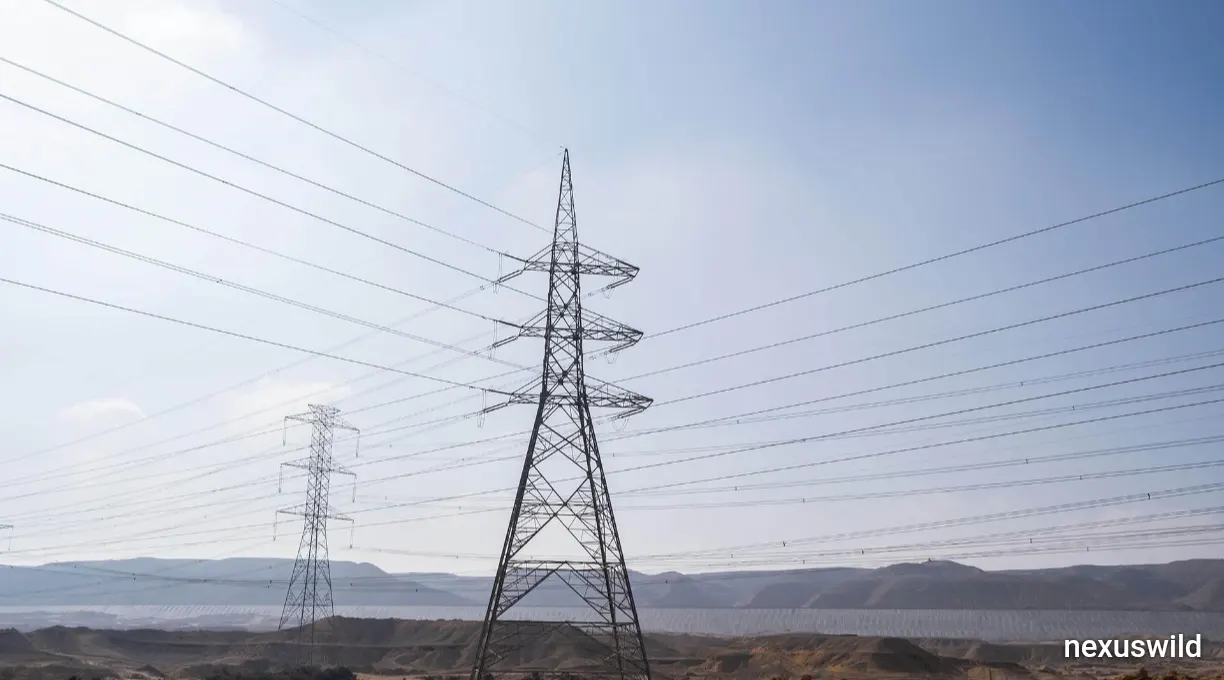

Egypt and Libya Aim to Speed Up Cross-Border Energy Projects Including Gas Pipelines, Oil Refining and Electricity Links
Egypt and Libya want to make their energy partnership stronger by planning projects across borders. These projects involve natural gas pipelines, oil refining and electricity transmission. The recent talks show that both Egypt and Libya are interested in working on energy. They want to upgrade their energy infrastructure and create chances to trade petroleum.
The talks happened on November 7 2026 when Egyptian Foreign Minister Badr Abdelatty met Libyas Acting Minister of Oil and Gas Khalifa Abdulsadek at the Egyptian Embassy building in Tripoli.
Egypts Foreign Ministry said that Abdelatty urged a start to joint energy projects. These projects include gas pipeline links, more cooperation on petroleum products refining crude oil in Egyptian plants for re-export fixing Libyan refineries and finishing electricity interconnection projects.
This meeting is part of diplomatic and economic ties between Cairo and Tripoli. Energy infrastructure is becoming an area where the two sides work together.
Gas Pipeline Connections Could Strengthen Regional Energy Trade
A main priority for Egypt and Libya was to speed up the building and linking of natural gas pipelines between the two countries.
For Egypt stronger gas cooperation in the region can give Egypt another way to mix its energy sources. Egypt has had trouble with domestic gas production and high LNG prices worldwide. This makes it more important for Egypt to get energy.
Libya has hydrocarbon resources. Libya can make money from its natural gas if it improves its infrastructure and works with other countries.
If a cross-border pipeline network works it could later help the two countries trade gas. But the recent talks did not set a route how much gas can be moved, when it will be built or a commercial deal.
The plan for the infrastructure needs more technical studies and talks between the two governments before we know how it will help the regional gas markets.
Egypt and Libya Explore Greater Cooperation in Oil Refining
Another area of cooperation is turning Libyan crude oil into finished products in Egyptian refineries then sending it to markets around the world.
This arrangement could open up business chances because it links Libyas oil with Egypts refineries that already exist.
For Libya refining its oil in a nearby country gives Libya more options to manage oil exports and grow downstream work.
For Egypt the deal could make its refining sector more important in oil trade. It also opens up chances for industry work and energy services.
Both governments talked about fixing refineries. Making these plants work better can help Libyas oil processing and lessen problems from old or broken equipment.
However the talks only show ideas for cooperation. They do not confirm that new refining deals or repair projects have begun.
Electricity Interconnection Emerges as Another Priority
Electricity projects were also part of the talks between the two countries.
Egypt and Libya see electricity linking as a place where quick work could make regional energy cooperation better.
Cross-border electricity links let neighboring countries share power, balance power needs and use their generators better.
For Libya better electricity is a part of plans to improve public services and grow the economy.
For Egypt working on electricity can give more chances to share energy and combine infrastructure.
The recent talks did not share exact power limits, costs or start dates. More technical talks between the energy officials are needed to set the steps.
Diplomatic Engagement Supports Broader Economic Cooperation
The energy talks happened during Egyptian Foreign Minister Badr Abdelattys trip to Tripoli. He also opened Egypts historic embassy building again.
The building had been closed since January 2014. Egypts embassy in Tripoli had started working in 2021. So the 2026 event was a new opening of the old building not the first time diplomacy worked there.
This diplomatic meeting is important because Egypt and Libya can grow their work together in trade, infrastructure, investment and rebuilding.
Libyas rebuilding needs can also open chances for firms that work in construction, engineering, energy services and infrastructure.
After the energy talk Khalifa Abdulsadek said he would travel to Cairo soon to keep talks with Egypts oil and power ministers.
The planned trip can move the talks from promises to real technical planning.
Business and Market Implications, for North African Energy
I think the proposed cooperation could create opportunities across industries if the projects move beyond the discussion stage.
Pipeline construction and engineering: Future gas pipeline development could create a need for engineering, procurement, construction and infrastructure maintenance work.
Oil refining and petroleum trade: Refining Libyan crude in Egypt could support partnerships that involve refineries, oil transportation, storage and international petroleum trading.
Energy infrastructure rehabilitation: Libyas refinery rehabilitation needs could create opportunities for equipment suppliers, engineering contractors and specialised maintenance companies.
Electricity transmission: Greater cooperation on cross‑border power infrastructure could support investments in transmission equipment, grid development and electricity management systems.
These opportunities remain conditional on project approvals, financing, technical feasibility and the ability of both countries to keep implementation momentum.
Energy Security and the Regional Outlook
Egypts interest in strengthening energy cooperation with Libya comes at a time when domestic gas supply constraints and higher LNG import costs have added pressure to its energy sector.
For Libya expanding cooperation with countries offers potential pathways to develop its hydrocarbon sector improve infrastructure and increase the commercial value of its energy resources.
The two countries have interests but turning political commitments into operational infrastructure will require sustained coordination between government agencies, energy companies and technical partners.
Financing arrangements, infrastructure assessments, regulatory requirements and Libyas political environment will remain considerations as the projects advance.
A Potential Step Towards Stronger North African Energy Integration
Egypt and Libyas latest discussions indicate momentum towards deeper regional energy cooperation.
Gas pipeline connections, crude oil refining arrangements, refinery rehabilitation and electricity interconnection could create opportunities for energy trade and infrastructure development across North Africa.
However the immediate development is a renewed technical push rather than the announcement of completed infrastructure projects or confirmed investment agreements.
The next round of discussions in Cairo will be important in determining whether the proposed cooperation can translate into concrete project plans, financing commitments and implementation timelines.
For energy markets the progress of these initiatives will be worth monitoring, as Egypt and Libya seek to strengthen their economic partnership and improve long‑term energy security.
Nexuswild welcomes factual corrections. Email contact@nexuswild.com with evidence and the article URL.