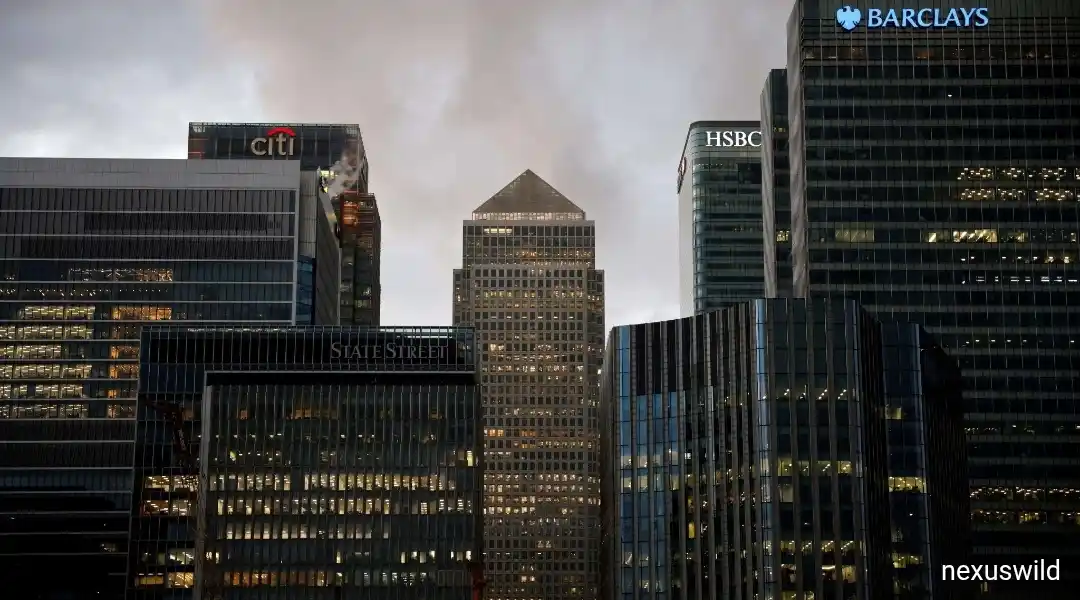

Global financial markets are getting more and more sensitive to military events. Conflicts, trade fights and problems with supply routes are changing how people think about the economy. Situations that start as war problems can quickly influence oil prices, stock markets, government bonds and how money is valued.
This effect doesn't always happen away or affect everything the same way. Some markets have drops when theres more uncertainty while other parts of the market get more money as people think about risk differently. The way prices move depends on how big the problem's how long its expected to last and how people think governments and banks will react.
The ongoing conflict in the Middle East has shown how political events can affect the world economy through problems with energy supplies. At the IMF and World Bank meetings in Bangkok in October 2026 financial leaders talked about the problems coming from war high energy prices, inflation and more government debt. The IMF has said that if the conflict continues it could hurt growth and make financial risks worse.
Oil prices are a way that markets get disturbed. Energy markets usually react first to tensions especially if places that make oil or big routes for oil are affected.
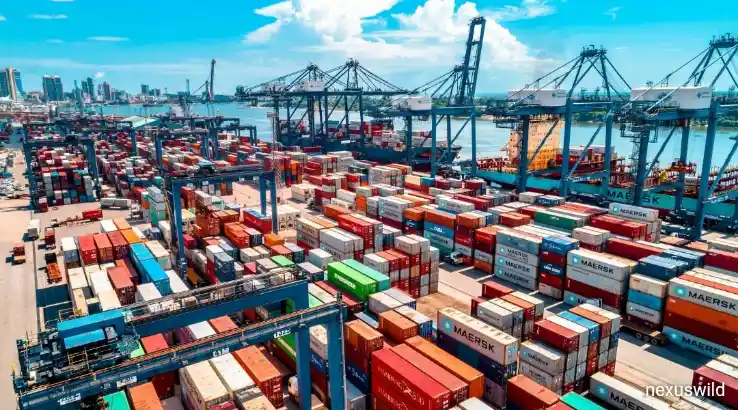
The Middle East is important for energy supplies around the world. Problems near the Strait of Hormuz a route for oil can make people worry about whether enough oil will get to countries that need it.
When traders think there might not be oil prices can go up even before theres a real shortage. Higher oil prices then make transportation making things and electricity more expensive which puts pressure on companies and people.
These effects can spread through the economy. Airlines might have to pay more for fuel companies that move things might have costs and factories might need to change prices or take smaller profits.
For countries that need to buy a lot of energy the problems can be especially bad. Higher costs for buying energy can make trade problems worse. Put more pressure on their money.
In May 2026 the European Central Banks report on safety said that the conflict in the Middle East caused problems with energy supplies and made changes in stock prices, commodities and company bonds.
Geopolitical problems can make it harder for central banks to control inflation while also helping the economy grow. Higher prices for energy and other things can push up inflation even if people are not buying much. If these price problems keep going central banks might not have room to lower interest rates especially if people think inflation will stay high.
This makes it harder for people who invest money. If they think interest rates will go up some stocks might not look as good. It could cost more for companies, families and governments to borrow money.
Companies that want to grow might wait to invest when its more expensive to get money. People might also spend less on things they don't need when fuel, electricity and other essential things cost more.
The IMFs economic outlook for October 2026 said that the world economy would grow by 3.1% in 2026 but warned that the long conflict in the Middle East high energy prices and more debt could cause problems. Their predictions depend on how the conflict and problems with energy supplies change over time.
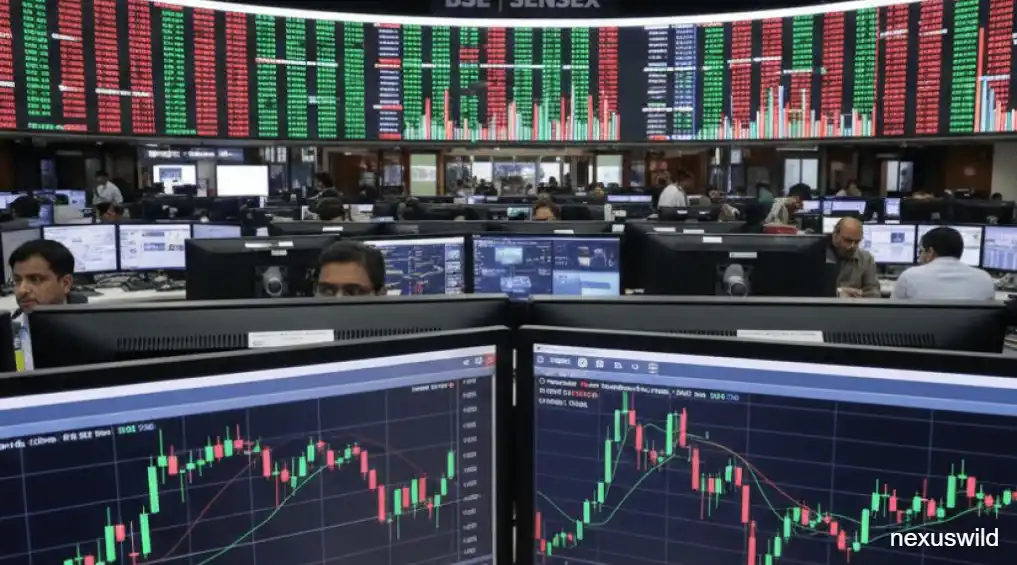
Stock markets change when theres uncertainty and when people expect different things. Investors have to think about how much money companies will make in the future.
Companies that need a lot of energy or are affected by supply chains might have higher costs and less demand. Businesses that sell things to countries can also be hurt by rules, trade limits and problems with moving things around the world.
Other companies might do better if governments spend more on defense or if businesses invest more in security and better supply chains. These changes can make a difference between how different businesses do.
How the market reacts also depends on if the event was expected. If people already thought about a problem a new change might not matter much.. If something unexpected happens people might sell quickly to change where they put their money.
In October 2026 Reuters said that global shares and the euro were under pressure because of problems in the Middle East higher oil prices and unsure about interest rates and Frances money problems. This showed how political and money problems in a country can affect markets together.
Government bonds are another way that political events affect money situations. When things are not clear people might want to buy government bonds they think are safe.. This is not always the case. If war makes people worry more about money growing fast or if the government needs more money people might want higher returns for holding long-term bonds.
Bond prices and returns go in directions. When returns go up the value of bonds usually goes down.
Higher government bond returns can also make it more expensive for companies, houses and other loans. Companies might have to pay more to borrow just as higher energy costs are making things harder for them.
The IMFs report from October 2026 on financial safety said that higher government bond returns, money problems and lots of government debt could create bigger money problems.
This means that political risks can affect money markets even when the countries directly involved in a fight are not the ones being affected.
Currencies can change a lot when political events change what people think about growth money growing too fast or interest rates. Countries that buy a lot of oil may have pressure on their money when energy prices go up. A weaker money makes oil and other things expensive at home which can make money growing too fast worse.
At the time money that is linked to bigger money markets or seen as steady might get more interest during some times of worry.. How the money changes depends on what people think about interest rates how the government is doing and whats happening in each problem.
Countries that are still growing can be very affected when higher costs for buying things happen along with people taking their money out and costs for borrowing from other countries. If people take their money out the local money might get weaker. The cost of paying back money they borrowed in other currencies could go up.
For leaders the job is to keep people confident while dealing with money growing fast needing money from outside and problems in the economy.
Political problems can affect money markets in ways than just fighting. Rules, taxes, restrictions and punishments can change the cost. How easy it is to get important things.
Companies that need parts from countries can have delays or need new suppliers. Tech companies can be affected by limits on high-tech parts while farming markets can be affected by problems with fertilizers, grain or how things are moved.
These changes can affect how much companies make the prices of things and the decisions about where to put money. Companies might respond by keeping more in stock moving where they make things or using suppliers, which can cost more.
Over time these changes can make trade patterns. Where money is put different. Then markets have to think about whether the problemsre just for a short time or if they mean a bigger change in the world economy.
What people who invest and businesses need to watch is that the money problems from problems depend on things that can change fast. People who deal with money are very interested in how a fight lasts how sure people are about energy supplies, where money growing too fast is going and how banks are reacting.
Businesses also need to look at their indirect problems. A company might not be in a place where a fight is happening. It could still be in trouble through fuel costs, shipping routes, foreign companies or money changes.
For banks the job is to watch money changes how good people are at paying back loans if theres money to use and the value of the things they use as security.
The IMF has also said that political problems can mix with money problems like too much debt and too much money in some areas. When several problems happen at once the effects can be bigger than if one thing happened.
The future for the worlds money markets is not clear. Political problems are a source of worry for people who invest but they don't always make the market go down for a long time. Money markets can get better when the problems with supplies get better when talks help make things better or when company money is better than expected.
The main thing is whether a political or fighting problem stays small or starts to affect the economy through higher money growing too fast less money growing and less money available.
For governments, businesses and people who invest keeping an eye on money for energy how much it costs to borrow money changes and problems with how thingsre moved can help show where the biggest problems are.
As problems around the world keep changing the worlds money markets will stay sensitive to things that change how much important things cost what money policies are. How sure people are, about the economy.
Nexuswild welcomes factual corrections. Email contact@nexuswild.com with evidence and the article URL.