
# Middle East Escalation: Why Oil Markets and Diplomacy Are Under Pressure
SEO Title: Middle East Escalation Pushes Oil Prices Higher and Tests Diplomacy
Category: World News / Business
Meta Description: I see how Middle East tensions push oil prices higher disrupt shipping routes and put strain on diplomatic efforts to keep a larger regional conflict from happening.
Slug: middle-east-escalation-oil-markets-diplomacy-pressure
Article ID: 68427
Primary Keyword: Middle East escalation
Secondary Keywords: Middle East conflict, global oil prices, Strait of Hormuz, oil supply disruption, Middle East diplomacy, energy security, tanker attacks, geopolitical tensions
Renewed Tensions Put Energy Markets on Edge
Escalating tensions across the Middle East are putting renewed pressure on energy markets. They are also testing efforts to keep the conflict from spreading further. Attacks on shipping threats to oil infrastructure and growing security concerns are increasing uncertainty about stability and the reliability of international energy supplies.
On October 22 2026 Brent crude rose to $112.55 per barrel its level since May. This jump came as fears mounted over attacks on energy facilities and shipping routes. US West Texas Intermediate crude also climbed to $100.07 before easing. These price movements show the market’s worry that further escalation could restrict supplies and raise the cost of transporting oil to markets. <Cite refs={["turn988296news7"]}/>
The latest developments come as governments face mounting pressure to protect shipping secure energy supplies and pursue diplomatic channels that could prevent the conflict from spreading further.
Strait of Hormuz Remains a Critical Pressure Point
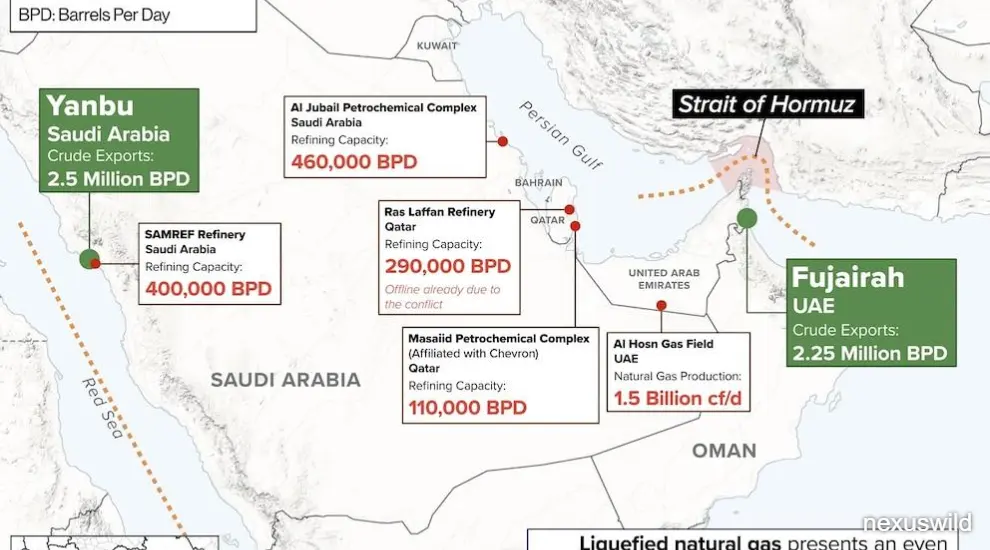
The Strait of Hormuz is central to the energy crisis. Located between Iran and the Arabian Peninsula this narrow waterway connects the Persian Gulf with the Gulf of Oman and the Arabian Sea.
Before the conflict about one-fifth of oil consumption passed through the strait each day. It also handled shipments of liquefied natural gas. Restrictions on traffic have made it harder for producers to deliver supplies and for importers to find replacement cargoes.
The International Energy Agency has described the disruption as the oil supply disruption in the history of the global market. Its analysis highlights the capacity of alternative export routes and the growing strain on global inventories. <Cite refs={["turn988296search1","turn988296search4"]}/>
when crude oil is available ships may be unable or unwilling to transport it through dangerous waters. The resulting delays, insurance premiums and longer shipping routes can raise the cost of delivered energy.
For oil-importing economies prolonged disruption could increase fuel expenses worsen inflation and place pressure on trade balances.
Tanker Attacks Increase Supply Uncertainty
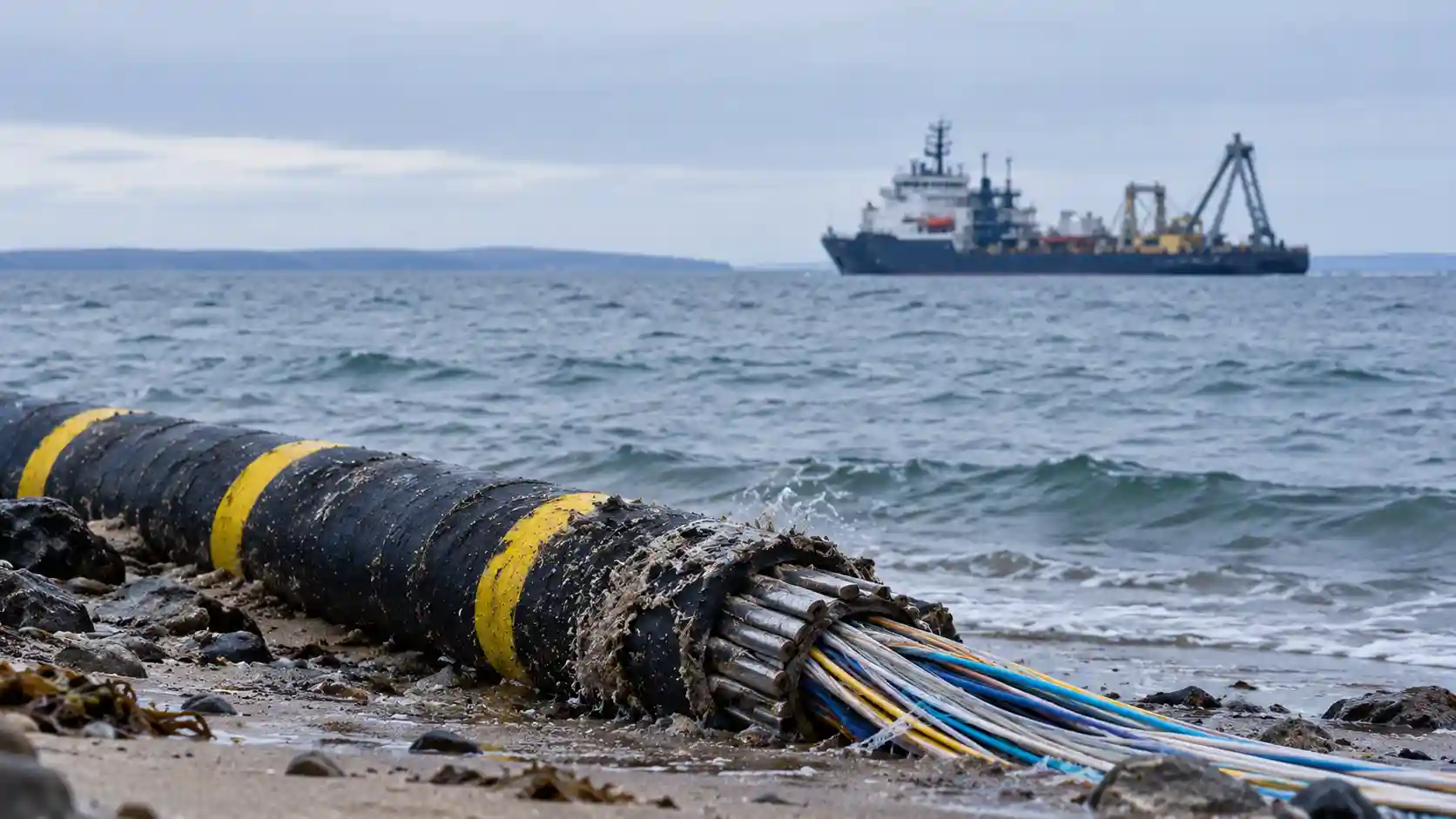
Maritime security concerns have intensified as reports of attacks involving vessels have emerged around the Strait of Hormuz.
The Associated Press reported on October 22 that Iran had said seven oil tankers were attacked or caught fire in the strait. Reports involved direct attacks or naval mines. These incidents have increased fears of renewed confrontation and further restrictions on shipping. <Cite refs={["turn988296news8"]}/>
The risks extend beyond the location of an attack. Shipowners must assess crew safety, insurance availability, route security and the possibility of incidents before deciding whether to operate in the region.
Energy companies and traders also have to consider whether disruptions will affect production, exports or refinery operations. As uncertainty increases buyers may compete for supplies adding to price volatility.
These developments do not mean that all oil shipments through the region have stopped. Rather the market is responding to uncertainty about how much supply can move consistently.
Why Oil Prices Are Rising
Oil prices are influenced by both supply and expectations about future availability. When traders anticipate that exports could fall prices can rise before the full impact of a disruption appears in production data.
Several factors are contributing to the pressure:
- Supply risks: Attacks on energy infrastructure and threats to shipping raise concerns about export volumes.
- Higher transport costs: Insurance premiums, security expenses and longer routes increase the cost of delivering crude oil.
- Limited alternatives: Pipelines and other export routes cannot fully replace all the volumes normally transported through the Strait of Hormuz.
- buying: Importers and refiners may seek additional supplies when they fear shortages, increasing competition for available cargoes.
The US Energy Information Administration said in its October 6 outlook that disruptions to Middle Eastern oil flows attacks on infrastructure and higher tanker costs were contributing to prices. It also warned that the outlook remained sensitive to developments in the conflict and the recovery of export routes. <Cite refs={["turn988296search3"]}/>
However oil prices can move in either direction if diplomatic progress reduces supply risks additional production becomes available or demand weakens in response to fuel.
Diplomacy Faces a Test
The diplomatic challenge is to reduce the immediate security risks while addressing the broader confrontation between Iran, the United States and Israel.
According to the Associated Press Iranian Foreign Minister Abbas Araghchi has expressed openness to resolving the conflict through dialogue. He linked progress to conditions that include lifting the US blockade of ports. The report also described continued deployments and threats illustrating how far apart the sides remain on key issues. <Cite refs={["turn988296news8"]}/>
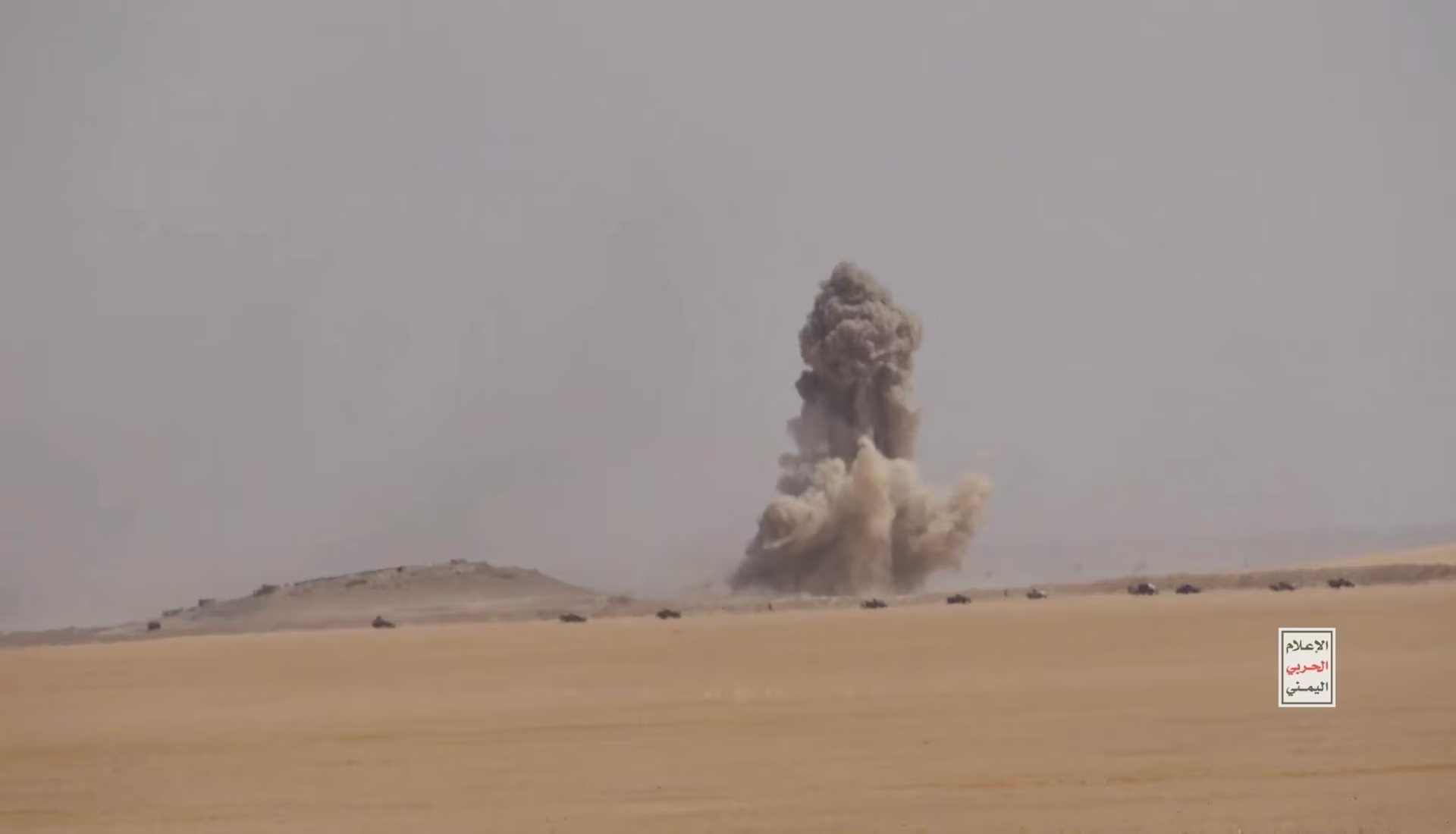
The United States has also taken steps to reduce risks to its personnel. Reuters reported on October 22 that Washington had ordered personnel to leave Saudi Arabia amid escalating regional tensions. The move came as attacks attributed to Yemens Iran-aligned Houthi movement targeted civilian and oil facilities. <Cite refs={["turn988296news7"]}/>
Diplomatic efforts face obstacles, including competing security demands, concerns over maritime access and uncertainty about whether any agreement would be respected by all parties.
A durable settlement would need to address not the immediate military confrontation but also the security of commercial shipping and the conditions required for energy exports to return to more predictable levels.
The Economic Impact Extends Beyond Oil
The consequences of the escalation could spread beyond energy markets.
Higher crude prices can increase the cost of petrol, diesel, aviation fuel and petrochemical feedstocks. These expenses can feed into transportation, food production, manufacturing and electricity costs depending on the country and its energy mix.
Emerging economies that import quantities of oil may face additional pressure on their currencies and current-account balances. If fuel costs rise sharply governments may also face choices over subsidies, public spending and inflation management.
Financial markets can react to these risks by reassessing earnings, interest-rate expectations and the outlook for global economic growth. Industries that depend heavily on fuel or international logistics may be especially exposed.
The International Energy Agency has also warned that prolonged disruptions to Gulf energy supplies affect products, including diesel and jet fuel as well as natural gas and the raw materials used in fertiliser production. <Cite refs={["turn988296search4"]}/>
The longer supply routes remain unreliable the the risk that the initial energy shock will feed into wider economic pressures.
What Could Ease the Pressure on Markets?
A sustained reduction in tensions would help improve market confidence. The pace of recovery would depend on the condition of energy infrastructure and the restoration of shipping.
Several developments could reduce pressure:
- A agreement that lowers the risk of further military action.
- Reliable and safe passage for vessels through the Strait of Hormuz.
- Restoration of disrupted oil production and export infrastructure.
- Lower shipping insurance premiums and a reduction in transport delays.
- Additional supplies from producers outside the region.
The International Energy Agency has coordinated emergency oil-stock releases to help address the disruption. Such measures can provide support but they cannot permanently replace normal production and shipping flows if the crisis continues. <Cite refs={["turn988296search4"]}/>
For policymakers the challenge is to combine short-term measures to protect consumers with efforts that address the underlying security risks.
Outlook: Energy Security and Diplomacy Remain Interconnected
The latest escalation shows how regional conflict can affect markets through a relatively small number of strategically important shipping routes and energy facilities.
Oil prices are responding not to current supply conditions but also to uncertainty over future attacks, maritime access and the prospects for negotiations. The same developments are complicating efforts by raising the stakes for governments and increasing the economic costs of a prolonged confrontation.
The outlook remains uncertain. Further escalation could keep energy prices volatile and deepen pressure on import- economies. Meaningful diplomatic progress and the restoration of shipping by contrast could reduce the risk premium embedded in oil prices.
For now the direction of energy markets will remain closely tied to developments, on the ground and the ability of international actors to prevent the conflict from widening.
Nexuswild welcomes factual corrections. Email contact@nexuswild.com with evidence and the article URL.