
Artificial intelligence is now a reason why companies are spending more money in tech. As they grow AI helpers, code tools, cloud services and smart agents they need computer systems to train models and answer user requests fast.
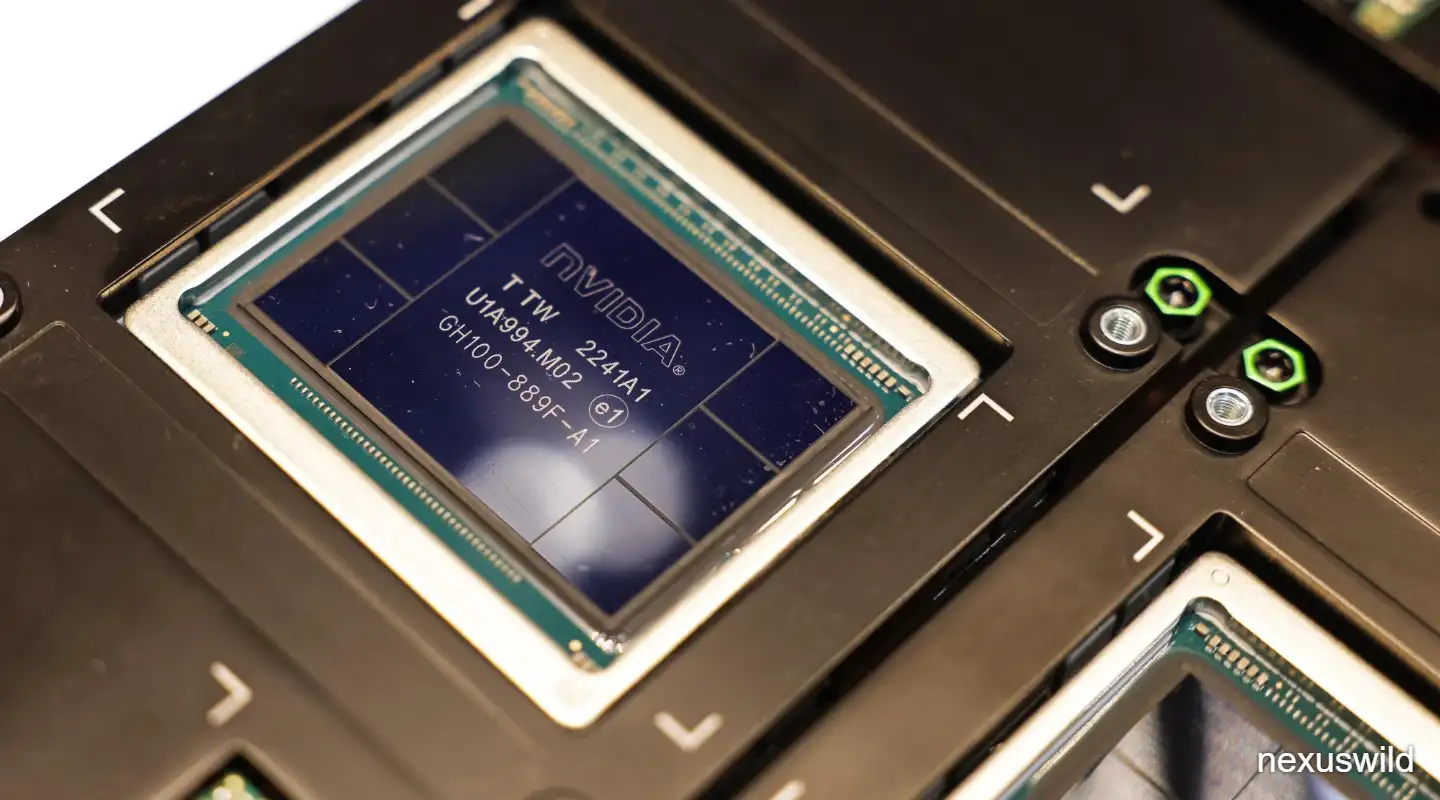
This push is changing how chips are made. Of using only off-the-shelf processors big tech firms are building their own custom chips. These chips are made for their own AI systems and tasks.
This doesn’t mean regular chip makers are out of the game. It just means the market is getting more competitive. Tech companies want control over the hardware, software and systems behind their AI services.
Why AI Chips Are Now a Big Priority
AI tasks need a lot of computing power. Training a big AI model means crunching through amounts of data. Running a model after it’s built. Called inference. Also needs computing power every time someone asks a question or uses the service.
Inference is becoming more important as AI tools get used by people. Each time a user interacts it uses computing resources. So speed energy use and costs matter a lot to companies providing these services.
Custom chips can be built for tasks, which can make them faster and more efficient. For companies running AI on a scale even small savings in computing costs can add up and become very valuable.
Making your own chips is not cheap. Companies have to think about chip design, manufacturing, memory, networking, software that works with the chip and even the data centers. After all that can they decide if a custom chip is worth it.
Microsoft, Google and Amazon Are Building Their Own Chips
Microsoft, Google and Amazon are all investing in their custom chips.
Microsoft’s Maia family is built for AI workloads across its cloud. The Maia 300 chip shows how Microsoft wants to make AI computing better for services like Microsoft Copilot and its Azure cloud platform.
Google created Tensor Processing Units. Or TPUs. To help with machine learning. These are used in Google’s AI projects and also offered through its cloud services.
Amazon is doing the same with its Trainium chips, which are made for training AI models. These custom chips are part of Amazon Web Services’ plan to give customers hardware choices based on performance and cost.
These moves show that custom AI hardware is now a part of how cloud providers compete. Of using one type of chip companies are mixing their own chips with ones from outside suppliers.
Nvidia Still Plays a Big Role in AI Chips
with more custom chips Nvidia remains a major player. Its hardware, networking and software are widely used to train and run AI models.
Just having a custom chip isn’t enough to beat Nvidia’s ecosystem. A new chip must also work well with AI tools, developer software, memory systems and big data center networks.
Because of this custom chips are usually an option, not a full replacement. A company might use its chips for some tasks and still buy Nvidia or other chips for other jobs.
So the competition is getting more layered. Chip makers are fighting to supply AI systems while the biggest buyers are also building their chips.
Cost and Energy Use Are Key Drivers
The cost of AI systems isn’t about the price of a single chip. Data centers also need electricity, cooling, fast networks, memory and special buildings.
Custom chips can help companies get computing work done for less money or less energy. They also give freedom when planning systems for specific AI models and services.
These benefits aren’t automatic. Building a custom chip can be expensive and its value depends on how much it costs to make the software support how many are. How well it performs in real use.
Companies must look at the system. Not just the chip specs.
Supply Chains Are Still a Big Problem
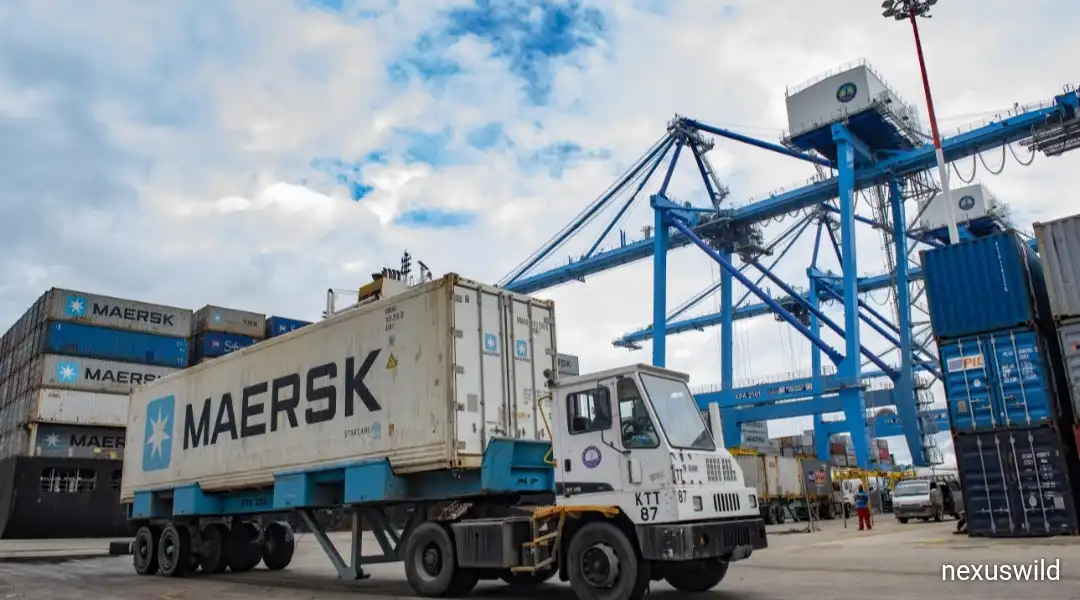
Making custom chips doesn’t mean you don’t need the semiconductor supply chain. Advanced chips still need factories, high-speed memory, advanced packaging and complex tools.
Many tech companies are competing for the limited suppliers. So even if a company designs a chip it might not be able to make enough to power its AI services.
Manufacturing limits also mean companies must plan term. They need to line up chip development with building data centers securing electricity and predicting how AI demand will grow.
So the race for AI computing isn’t about making the fastest chip. It’s also about getting the materials, manufacturing space and infrastructure to use that chip at scale.
What This Means for the Tech Industry
investment in custom AI chips could change how cloud computing and AI compete. Companies that cut computing costs may have freedom to set prices expand and support more complex AI apps.
This could also give businesses choices when buying AI infrastructure. Different chips may be better for tasks so cloud providers might compete on performance, cost and energy use. Not just one kind of hardware.
Traditional chip makers will still matter. Building chips takes a lot of skill and money. Custom chips and store-bought accelerators will likely both be used, depending on what each company needs.
In the end access, to computing power is becoming an advantage in AI. The companies that manage their hardware, software, energy and infrastructure well may be the ones that grow fastest in a market.
Nexuswild welcomes factual corrections. Email contact@nexuswild.com with evidence and the article URL.