
Global equity markets tried to recover on Monday, November 9 after a week when technology and AI stocks faced heavy selling. Asian markets led the rebound and European equities and US stock futures also climbed as investors looked for evidence that the recent drop might settle.
The rebound follows worries about AI investment, technology prices and the long‑term profit of data‑centre infrastructure. Investors now doubt whether the huge money put in by technology companies will bring enough returns.
Even though market mood improved trading stayed shaky. Investors keep watching moves in semiconductor firms, energy costs and worldwide economic news.
Asian equity markets showed a mix of results but important moves on Monday. Taiwan and Japan posted gains while South Korea fell.
Taiwan’s Taiex jumped 4.94% making it one of the best‑performing major Asian indexes that day. The rise came from buying in technology and semiconductor firms especially in Taiwan’s key chip‑making area.
Japan’s Nikkei 225 went up 2.33% regaining part of its recent losses as investors moved back into chosen technology and industrial shares.
Yet South Korea’s Kospi slid 0.81% showing that the rebound was uneven across the area.
This split shows how investors are rethinking technology risk in markets. Countries with semiconductor and AI supply‑chain links stay especially sensitive to shifts in global technology investment hopes.
The rebound also came after losses last week when worries about the speed of AI infrastructure growth hit tech stocks hard.
European equity markets began higher on Monday and US stock futures showed a good start after Friday’s rebound in American tech shares.
The better mood hinted that investors were starting to look past the pressure from last week’s tech sell‑off.
The overall market stayed uncertain. Investors kept checking if the recent falls were a fix or the start of a longer rethink of high‑growth tech prices.
Week’s losses hit hard for firms linked to AI infrastructure, such as semiconductor makers and companies that supply gear and services to data‑centre operators.
The worries go past tech firms because AI investment now drives big spending, corporate profit hopes and stock market values.
Thus changes in AI infrastructure spending can sway other financial assets.
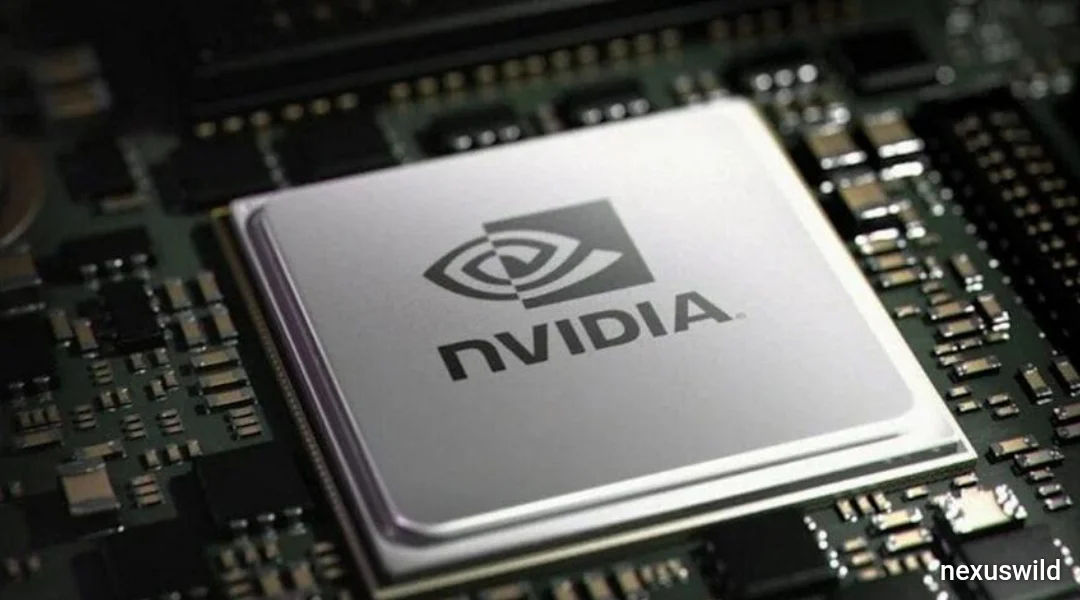
Nvidia stayed a cause of market doubt on Monday when its shares dropped over 4% before the market opened.
The drop followed news that Nvidia’s board started an inquiry into claims that its CEO, Jensen Huang was targeted by intelligence.
This added another worry for investors already uneasy about the tech sector.
Nvidia sits at the heart of the AI system because its graphics processors are widely used for AI training and data‑centre infrastructure.
Its earnings and stock value are closely watched by investors, semiconductor makers and tech firms.
The recent share price dip should be seen as part of a wider market rethink not proof that Nvidia’s core business is worsening.
Investors will keep watching Nvidia’s moves, semiconductor demand, AI infrastructure spending and future profit hopes.
Commodity markets gave another update on Monday.
Brent crude fell 2% to roughly $96.29 per barrel giving a short‑term relief after recent ups and downs in global energy markets.
The fall came after US President Donald Trump said more attacks on Iran were unlikely if talks kept moving
Energy costs still play a role in global economic hopes because higher crude raises transport, manufacturing and inflation pressure.
For industries that use a lot of energy like aviation, logistics, chemicals and industrial manufacturing lower oil prices can ease some cost pressure.
The better price should not be seen as a full fix of energy‑market risks. Political events and uncertainty, about supply still affect commodity prices.
Investors Reassess the Economics of Artificial Intelligence Investment
The factor that affects global equity markets is whether artificial intelligence investment can be sustained.
Big technology companies have put a lot of money into data centres, advanced processors, cloud computing infrastructure and energy‑intensive computing facilities.
These investments aim to meet the growing demand for intelligence services, enterprise automation and advanced computing capabilities.
Yet investors are asking more for proof that these costs can turn into revenue growth, better operating margins and positive long‑term returns.
This has made the investment environment more selective. Companies are judged not by how much they use artificial intelligence but also by how well they show commercially viable business models.
Semiconductor manufacturers, cloud service providers and infrastructure suppliers are now under scrutiny from institutional investors.
Soon corporate results and financial updates from CoreWeave, Applied Materials and Cisco will give information about demand conditions and the economics of artificial intelligence infrastructure expansion.
Those results could change expectations about technology‑sector valuations and future capital allocation decisions.
Business and Market Impact
Recent market movements bring implications for businesses and investors.
Technology Investment: Companies that work in intelligence infrastructure and semiconductor manufacturing may face more scrutiny over capital spending, profitability and long‑term revenue expectations.
Institutional Portfolio Allocation: Investors might keep moving capital between high‑growth technology companies, established businesses and sectors that generate current cash.
Energy and Manufacturing Costs: Lower crude prices might give cost relief to transportation, logistics and energy‑intensive manufacturing companies.
Market Volatility: Quick changes in technology valuations may keep affecting equity markets especially in countries that rely heavily on semiconductor and artificial intelligence supply chains.
Corporate Strategy: Technology companies may feel pressure to show measurable commercial returns from their artificial intelligence investments instead of only relying on future growth expectations.
Market Recovery Does Not Yet Signal the End of AI-Related Volatility
Mondays recovery in global equity markets gives some relief after the previous weeks technology‑led sell‑off. Taiwan and Japan saw gains and European equities and US futures also showed signs of stabilisation.
Still the underlying concerns about intelligence investment are not resolved.
Investors keep demanding proof that large‑scale spending on data centres, semiconductors and cloud infrastructure can bring sustainable financial returns.
The next key developments will be earnings, semiconductor demand updates, inflation data and more information about major technology companies.
For markets the immediate question is not just how fast artificial intelligence can grow, but whether the financial returns, from that growth can justify the huge investment already happening.
Nexuswild welcomes factual corrections. Email contact@nexuswild.com with evidence and the article URL.