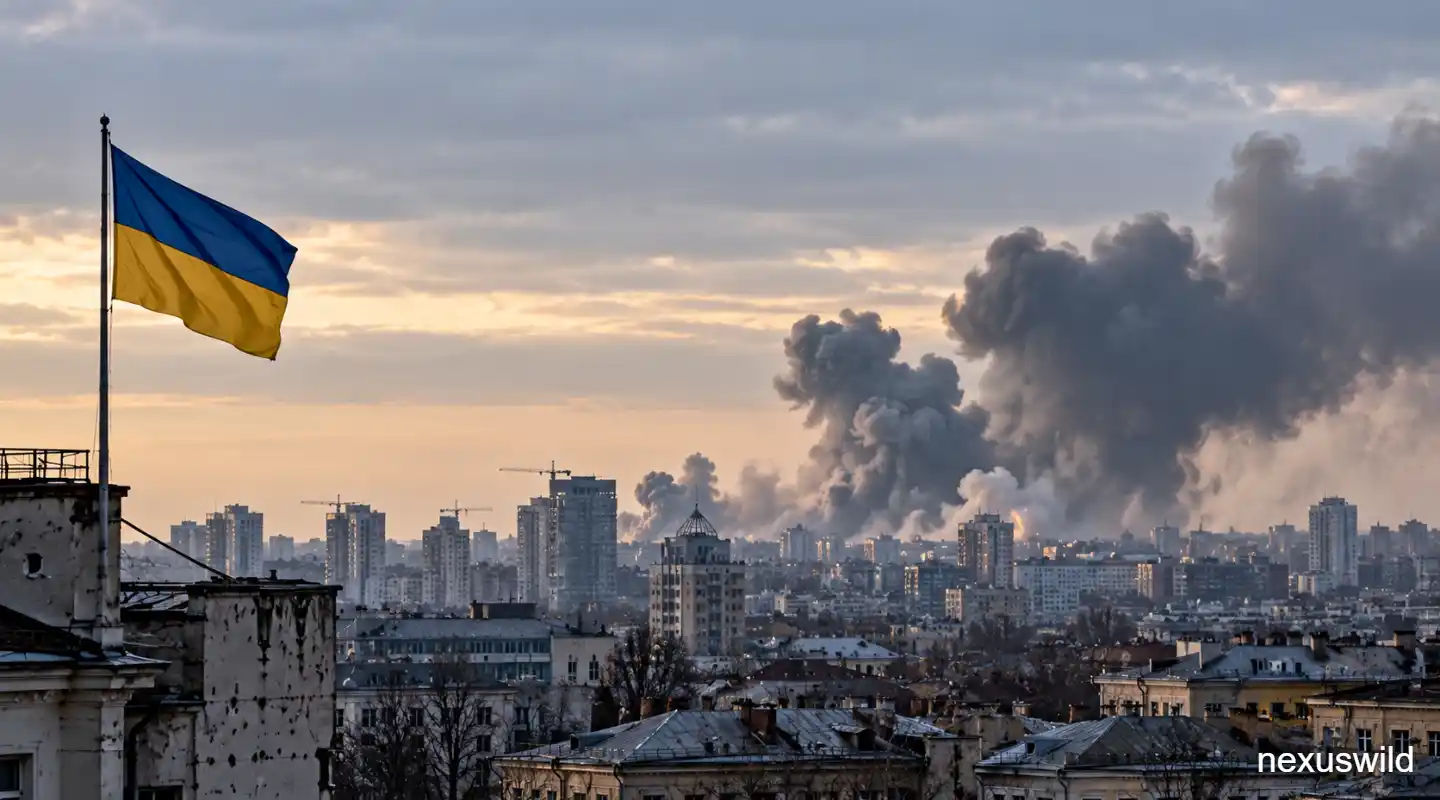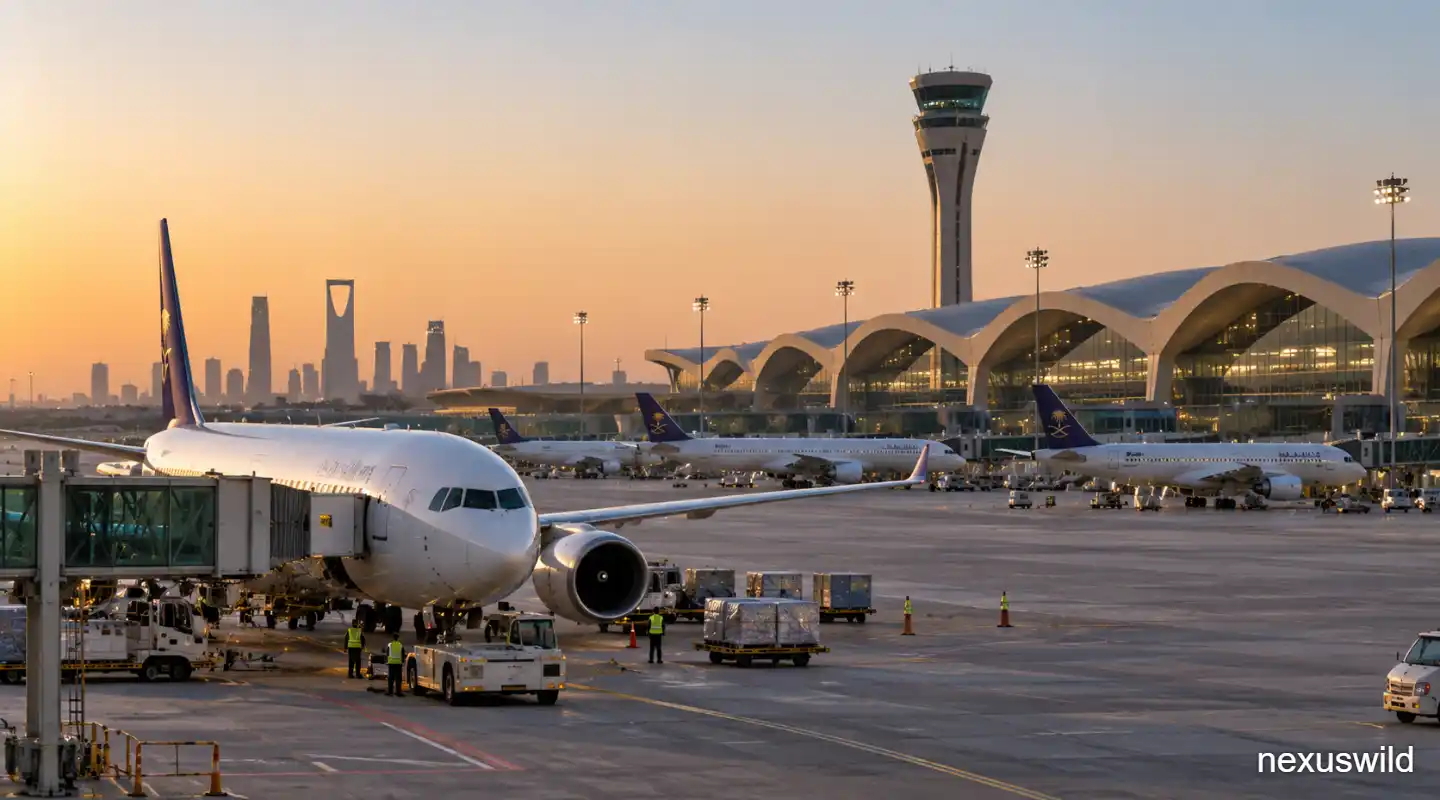

Three Saudi citizens were killed in attacks targeting King Khalid International Airport in Riyadh on Thursday, October 8, according to Saudi authorities, as renewed fighting involving Yemen's Houthi movement intensified regional security concerns.
Saudi Arabia's General Authority of Civil Aviation said the attacks struck airport facilities and an aircraft belonging to national carrier Saudia. Several other people, including residents of different nationalities, were injured, with injuries ranging from minor to serious.
The Houthi movement claimed responsibility for a missile attack on the airport. The incident marked a further escalation in a conflict increasingly affecting civilian infrastructure, commercial aviation and security across the region.
Among those killed was Saudia pilot Captain Hamoud Ali Alkalthami. The airline said one of its aircraft was damaged while parked at the airport and had no passengers on board at the time.
Saudi authorities said emergency teams responded to the incidents, while the airport's operator later confirmed that operations had resumed.
Airport Attacks Trigger Flight Cancellations
The attacks disrupted air travel through one of Saudi Arabia's principal aviation hubs. Airlines adjusted schedules as security assessments and regional airspace warnings were updated.
Flight-tracking data cited by Reuters showed that 131 flights to and from Riyadh had been cancelled by 13:05 GMT on Friday, October 9. The Associated Press separately reported at least 124 cancellations by Friday afternoon, following hundreds of cancellations a day earlier.
Air India, Lufthansa Group, Flydubai, Etihad Airways and Pakistan International Airlines were among the carriers reporting suspensions or disruptions affecting services to Riyadh or other Saudi destinations.
The European Union Aviation Safety Agency expanded its advisory concerning Saudi airspace, citing the risk posed by repeated missile and drone attacks, air-defence activity and falling debris. The revised guidance added an area in northwestern Saudi Arabia to the advisory.
The warnings reflect concerns that civilian aircraft could face risks even when they are not the intended targets of an attack.
Houthis Claim Responsibility as Saudi Arabia Responds
Yemen's Houthi movement said it had launched missiles towards King Khalid International Airport. The group has issued warnings to airlines operating in Saudi airspace, increasing uncertainty for international carriers and travellers.
The Saudi civil aviation authority confirmed the attacks and casualties but did not identify those responsible in its initial statement. The Houthi claim was reported separately by international news organisations.
The Saudi-led coalition supporting Yemen's internationally recognised government said it had destroyed three rocket-launch platforms used by the Houthis. The coalition has also continued military operations against Houthi positions as fighting intensifies.
Reports from Yemen indicated that overnight strikes hit areas of the Houthi-controlled capital, Sanaa. A spokesperson for the Houthi-run health ministry said six people, including a child, were injured in two strikes. Saudi authorities had not confirmed those reported strikes at the time of publication.
The competing military claims and rapidly changing situation make independent verification of individual battlefield developments difficult.
Renewed Fighting Deepens Yemen's Conflict
The Riyadh incident comes amid a renewed military campaign in Yemen involving Houthi forces and the Saudi-backed, internationally recognised Yemeni government.
The Houthis control Sanaa and significant parts of Yemen. The group has fought against the Yemeni government and a Saudi-led coalition for years, with periods of reduced hostilities failing to produce a lasting political settlement.
Recent fighting has intensified around strategic areas along Yemen's Red Sea coast and the Bab el-Mandeb Strait, a narrow maritime passage connecting the Red Sea with the Gulf of Aden. The route is important to international shipping, linking trade moving between Europe, the Middle East and Asia.
The latest escalation also comes against a wider backdrop of regional conflict and heightened security concerns. Missile and drone activity has increased the risks facing infrastructure, commercial transport and civilian populations.
The United Nations has warned that Yemen's humanitarian situation remains severe, with civilians facing the consequences of renewed violence alongside longstanding food insecurity and displacement.
Aviation Security Concerns Spread Beyond Riyadh
The airport attacks have raised concerns beyond Saudi Arabia because regional aviation depends on predictable access to airspace and safe routes around conflict zones.
When missile launches, drone activity and air-defence interceptions occur near commercial flight paths, aviation authorities may advise airlines to avoid particular areas. Airlines can also cancel or reroute services while conducting their own risk assessments.
These measures can cause delays for passengers, disrupt cargo operations and increase operating costs. Longer routes may require additional fuel and crew planning, while repeated cancellations can affect connecting flights across international networks.
Riyadh's importance as a regional travel hub means disruptions can extend beyond direct services to Saudi Arabia. The effects depend on how long restrictions remain in place and whether further attacks occur.
Although airport operations resumed following the latest incident, the return of normal operations does not necessarily mean the wider security risk has disappeared.
Regional Governments Condemn the Attacks
The United Arab Emirates condemned the attacks on King Khalid International Airport in Riyadh and Abha International Airport, expressing solidarity with Saudi Arabia and offering condolences to the families of those killed.
The attacks on Abha and Riyadh earlier in the week were separate incidents from Thursday's latest Riyadh airport strikes. Saudi authorities had reported three deaths and dozens of injuries in those earlier attacks across the two airports.
The distinction is important because the latest Riyadh incident resulted in three additional reported deaths, according to Saudi authorities.
International responses have focused on the protection of civilians, respect for Saudi Arabia's sovereignty and the risks posed to civil aviation. The attacks have also increased pressure on regional governments to address the wider conflict and prevent further disruption.
What Happens Next?
The immediate priorities are aviation safety, the protection of civilians and preventing further escalation. Airlines will continue to assess official airspace guidance and operational conditions before restoring affected services.
Further developments will depend on the security situation in Saudi Arabia and Yemen, the response from the Saudi-led coalition and whether diplomatic efforts can reduce the intensity of fighting.
The latest attacks demonstrate how the conflict can affect civilian infrastructure far from Yemen's front lines. For passengers, airlines and regional governments, the main concern is whether the violence will continue to threaten transport links and widen the conflict.
Nexuswild welcomes factual corrections. Email contact@nexuswild.com with evidence and the article URL.