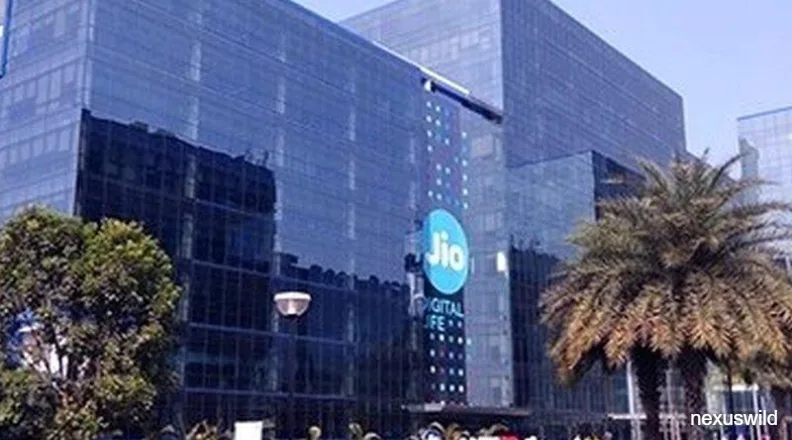

Jio Platforms’ initial public offering (IPO) has drawn a lot of attention from investors making it one of the closely watched stock market events in India in 2026. The offering closed on October 23. It drew a reported demand of about ₹7.4 lakh crore. The public issue was subscribed about 22 times according to Moneycontrol. These figures show interest in the planned stock market debut of Reliance Industries’ digital and telecom business.
The response shows investor expectations for a company that has a telecom customer base and aims to grow in digital connectivity and technology services. I feel that investors are hopeful. However high IPO demand does not automatically mean the stock will rise after listing or that it will give long‑term returns. The company’s valuation, profitability and ability to generate growth will stay important to consider.
Jio Platforms IPO: Key Details
Jio Platforms’ IPO was launched to raise about ₹30,213 crore. The price band was ₹1,065 to ₹1,119 per share. The planned listing on the BSE and NSE will happen on October 28 2026.
Moneycontrol reported that total demand, including anchor‑investor interest reached about ₹7.4 lakh crore. The issue was subscribed about 22 times. Institutional investors showed strong participation.
The reported subscription figures included:
- Qualified institutional buyers: 70.55 times their allocation.
- investors: 14 times their allocation.
- Retail investors: about 2.72 times their reserved portion.
- applications: more than one crore according to reported figures.
These figures show demand across all investor groups. Institutional investors had the intense competition for shares. Subscription figures measure demand against the number of shares in each category. They do not show how the stock will perform after listing.
Why Are Investors Interested in Jio Platforms?
A telecom customer base
Jio has built a major position in India’s telecom market since it launched its services in 2016. Its network serves than 500 million mobile customers. That gives a base for connectivity and digital services Reuters says. This scale may create chances to grow revenue through data, 5G connectivity, home broadband and enterprise services. Still subscriber growth must turn into earnings and cash flow for the business to give sustainable value.
Opportunities beyond traditional telecom
Jio Platforms also looks at digital opportunities. These include cloud services, entertainment, enterprise connectivity and services related to intelligence. Investors may see potential in a business that can serve customers across digital channels instead of relying only on traditional telecom revenue. If these services grow successfully they could support growth and strengthen Jio’s position in India’s digital economy. However these opportunities need investment in infrastructure, technology and service development. Their long‑term contribution will depend on customer demand, competition and the company’s ability to earn returns.
Institutional participation
Strong institutional participation is another feature of the IPO. Moneycontrol reported that demand for the anchor‑investor book was over ₹2.5 lakh crore before the offering even though the allocation was much smaller. Major global investment firms and sovereign wealth funds were also listed among investors. Institutional demand can signal confidence in a company’s business prospects and market position. Still investors may have strategies and investment horizons. Therefore their participation should not be seen as a guarantee of share‑price performance.
What Strong Demand Signals for Indias Market
The response shows that investors keep showing interest in large Indian businesses that have established operations and opportunities for digital growth. Jio combines an existing telecom business with expansion into other technology‑linked services. This gives investors factors to consider. The offering also shows the capacity of India’s capital markets to attract domestic and international investment, for a big public listing.
However strong demand for a high-profile IPO does not guarantee that every new share offering will get the same reaction. Investor appetite can change depending on market conditions, pricing, sector trends and company fundamentals.
Valuation and Risks Still Matter
At the top of its IPO price range Jio Platforms was valued at about $108.3 billion according to Reuters. That high valuation makes revenue growth, profitability and how Jio Platforms allocates capital very important to investors. Source: Reuters
Jio Platforms works in a capital‑intensive industry. Building network infrastructure, buying spectrum and upgrading technology need spending. Competition from telecom operators can also influence pricing and profitability.
Investors therefore must watch revenue per user subscriber trends, operating margins, debt, cash generation and returns on investment. The progress of digital services will also help decide if Jio Platforms can turn its growth plans into steady financial results.
The planned stock market debut on October 28 will give the public price assessment of Jio Platforms.. Jio Platforms’ long‑term performance will depend on financial results and business execution rather than just subscription numbers.
##
Jio Platforms’ IPO has drawn investor interest with reported total demand of about ₹7.4 lakh crore and subscriptions of roughly 22 times the shares on offer. Strong participation from institutions and many investor applications show expectations, for India’s telecom and digital‑services sectors.
For the market this offering shows that investors still want large companies that have solid customer bases and growth potential. For Jio Platforms the next challenge is to turn that interest into business performance.
In the end Jio Platforms’ ability to grow revenue keep costs generate cash and expand beyond traditional telecom services will be the main factor investors use to judge the company after it is listed.
Nexuswild welcomes factual corrections. Email contact@nexuswild.com with evidence and the article URL.