
More and more young people are getting upset about the cost of living the quality of education and the state of public services. This has led to groups of people going out on the streets in France and Germany. It is showing that European governments have a problem to deal with. They need to find a way to respond to people who feel that the economy and public services are not working for them.
On Saturday, October 31 2026 big demonstrations happened in big French cities for the third weekend in a row. In Germany there were also protests led by young people. The movement is called Gen Z regelt, which is roughly translated as Gen Z Takes Charge.
The protests have issues in each country but there are many similar problems. These include money needed for home expenses not enough money for schools pressure on public services and more money needed for future opportunities.
In France the government said about 320,000 people took part in the demonstrations. In Germany the protests happened in than 30 cities. Organizers and media say that thousands of people were involved.
Most of the people at the demonstrations were peaceful. However there were some times when people acted violently broke things and had fights with the police. This happened after some of the rallies in Paris, Frankfurt, Cologne and Hamburg.
These events are important for more than the immediate problems. Businesses can be affected by buildings, problems with transport and changes in how people spend money. Governments have to balance what people want with the money they have to spend.
The protests also show how economic problems can grow into political and social movements when people are upset about more than just one issue.
France has had three weekends of protests across the country
France stayed in the middle of the protests with hundreds of thousands of people joining in. They were upset about the economy and the state of services.
According to the government 320,000 people took part in the protests on October 31. This was still a number but it was less than the two previous weekends.
The French government said about 550,000 people were at the protests on October 17 and around 410,000 on October 24.
The protests started with students and teachers who were unhappy about school buildings, not enough staff and problems with how universities choose students. The movement then got bigger as groups like workers students and families added more demands about money and politics.
High living costs, fuel, not being happy with public services and problems with President Emmanuel Macrons government became things people were talking about.
In Paris people followed a planned route around the citys roads. Authorities had stopped marches from going through the shopping and tourist areas.
The government put 70,000 police officers and soldiers around France to manage the protests and stop the problems that happened before.
The police said over 560 people were arrested by Saturday night.
These numbers show that the protests in France are still important. But the lower number of people reported this time suggests that fewer people joined compared to the two weekends.
Germany had its own big wave of people protesting in many cities
Germany also had big protests led by young people. The movement is called Gen Z regelt.
They asked for protests in 34 cities, including Berlin, Frankfurt, Cologne, Hamburg and Munich.
Their demands were about schools, better health care, more protection for the environment and making everyday life cheaper. Organizers also said they did not want to go to having to serve in the army.
This movement shows worries among people about the quality of public buildings and their job chances.
Students have said that there are problems with the schools, not teachers and not enough money for education. The cost of housing and living is also an issue, especially for young people starting their jobs or going to college.
The organizers said the protests were meant to be peaceful. They wanted to make sure that the worries of people were seen in public arguments.
Reuters said that the organizers thought than 160,000 people would take part.. The number of people was lower than they expected and it was not clear how many people took part in total.
In Berlin people gathered near the Brandenburg Gate asking for money for schools and services. Protests also happened in cities showing that the movement was spread out across the country.
Although the protests in Germany were not the same as in France the similar issues about money and public support helped connect them to a movement of young people across Europe.
The cost of living and education have become issues
Even though the protests happened in different countries the cost of living became a common topic.
Affordable homes are still a problem for people who have to spend more on places to live, food, transport and basic services.
Young people can be affected more because they may not have wages, not much money saved and need to live in rented places or depend on family help.
In France the protests that started with people being upset about schools and college admissions expanded to anger about living costs, unfairness and public services.
In Germany the Gen Z regelt movement linked education and health care with money the environment and opposition to the army.
These demands show a conversation about how governments use public money.
Education is really important because not enough buildings, not teachers and not enough money can affect the way students learn and the jobs they can get.
Health care and home costs also affect the economy. When these services are harder to get or more expensive families have money for other things.
The protests are not about disagreeing with a government decision. They show concerns about whether the economy and public money're making life better for people.
The long-term answer will depend on how governments handle these problems while still having an economy.
Violence and damage to things have made problems for businesses
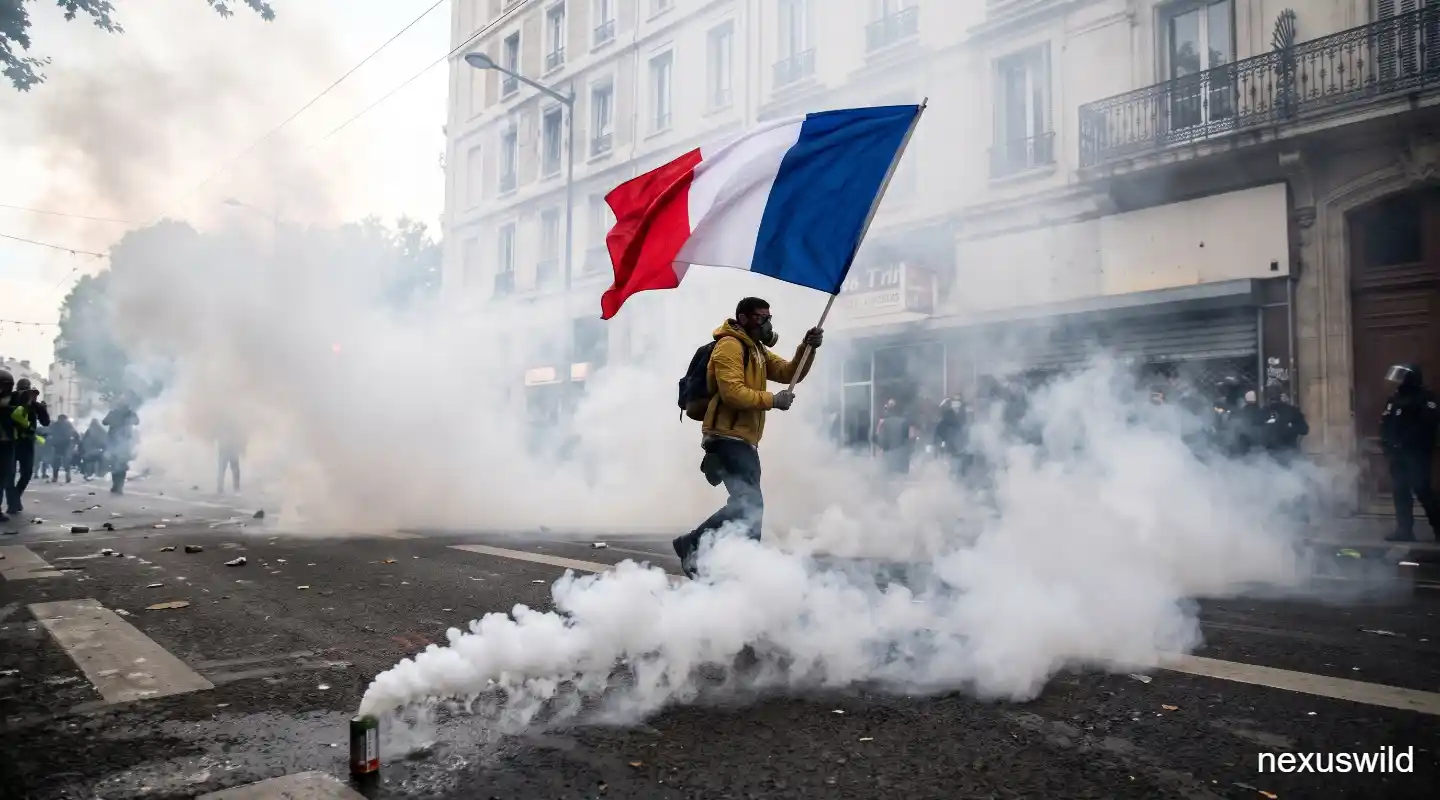
Even though most people at the protests were peaceful some of the groups ended up with fights between protesters and the police.
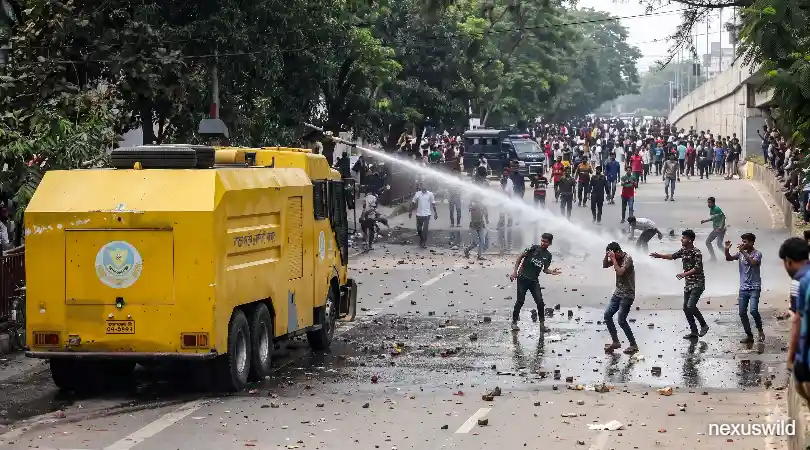
In France there were fights in Paris near the end of the protest. Some people threw bottles and fireworks at the police. The police used tear gas and other ways to control the crowds.
Officials also said there were fires and damage to buildings in places.
Germany had problems in many cities. In Frankfurt groups broke shop windows. Stole from stores. The police said guns were taken from a gun shop but later found.
In Cologne the police stopped a protest after people used fireworks and threw things. The police used water cannons to move people
In Hamburg some protesters threw fireworks at the police. Burned barriers, causing more police actions.
These problems caused problems for businesses. Broken stores, closing for a while and not being able to get in can stop shopping and cost businesses money.
Stores may also have to spend money to fix their places replace items and make their security better.
For shopping areas and places that serve food and drinks the protests can make it harder for people to move around. Can stop normal business for a while.
It's important to remember that most people at the protests were calm and that the violence was from small groups, not all the people at the protests.
What do the protests mean for businesses in Europe?
The direct economic effects are focused on the cities affected. There is more to it. It also affects how people feel about the economy and what the government does.
Stores may have problems because of roads fewer people coming in and damage to buildings. Transport companies may have trouble when protests block roads or public transport.
Companies that depend on people traveling through the areas may need to change how they work especially if the protests are near places where businessesre
In the end the political response could affect parts of business.
More money spent on schools, health care and homes could offer chances for construction companies, schools, technology people and people who help with services.
More government spending also raises questions about where the money comes from, taxes and what the government spends on.
For businesses the problem is not just whether the government spends money. It is whether the new investment helps make things better improves buildings and solves the money problems that people're upset about.
Companies also need to watch how long the problems last and how people feel about spending. Households worried about their money may wait to buy things or spend less.
There is not proof that these protests have caused a big economic slowdown in either country. Their long-term effect on businesses will depend on how they last how the government reacts and any changes in economic policies.
Governments have to respond to the pressure without making the economy more uncertain
The protests have made pressure on leaders in both countries.
In France the movement started with problems about schools. Then spread to include problems with public services, the economy and the governments leadership.
Prime Minister Sébastien Lecornu has talked with student groups as the government thinks about how to respond to the peoples worries.
The challenge is that different groups want changes in areas. Fixing school buildings may take a time while making life less expensive could mean changing taxes, wages, home policies and how the government spends money.
Germany has a similar problem.
The Gen Z regelt movement is asking for money for schools, health care and the environment while saying no to the army.
These demands come at a time when people are talking about government priorities how much money is spent on the army and how much money is available for services.
Both governments have to think about how to answer the peoples worries while balancing how the economy works how money they have and how to invest for the future.
If they do not solve these problems there could be protests. If they do not make the decisions they could create more money or political problems.
Could the protests become a movement in Europe?
The protests, in France and Germany are part of a wave of young people showing their anger across Europe.
During October 2026 similar rallies and public demonstrations were reported in countries including Italy, Spain, Portugal and Albania.
In some countries concerns about housing and the cost of living have been particularly prominent. In others, education, public services and political representation have been issues.
The movements do not operate under an European leadership structure and their demands differ according to national circumstances.
However social media and digital communication have made it easier for organisers and participants to follow demonstrations in countries share experiences and coordinate local campaigns.
Frances protests helped create momentum for Germanys October 31 mobilisation with organisers linking their movement to wider youth demonstrations elsewhere in Europe.
The development suggests that affordability, access to services and concerns about future opportunities are becoming increasingly visible issues in European public debate.
Whether this produces lasting political or policy changes will depend on the ability of protest movements to maintain organisation and translate pressure into specific demands.
What Happens Next?
The next few weeks will be important in determining whether the demonstrations continue or begin to lose momentum.
In France student organisations and labour groups have indicated that further demonstrations and educational blockades may take place. Unions have also called for industrial action on November 5 2026.
In Germany organisers will need to determine whether the October 31 rallies translate into continued mobilisation and structured discussions with policymakers.
Governments will be under pressure to demonstrate that education, housing, healthcare and affordability concerns are being addressed through measures rather than temporary political responses.
Businesses will be watching developments involving activity, transportation, employee access and any wider changes to public investment or economic policy.
The important question is whether the demonstrations remain episodes of public dissatisfaction or become part of a longer-term movement capable of influencing European economic and political priorities.
demonstrations across France and Germany on October 31 2026 have highlighted growing dissatisfaction among younger generations over living costs, education, public services and future economic opportunities.
France recorded 320,000 participants according to government estimates while Germany witnessed youth-led demonstrations across more than 30 cities.
Although the movements have national demands they share concerns about affordability, public investment and the quality of opportunities available to younger people.
The protests have also created challenges for retailers, local businesses and public authorities particularly where clashes and property damage occurred.
For governments the wider issue extends beyond maintaining public order. They must respond to demands for services and stronger economic opportunities while managing public finances and maintaining business confidence.
The long-term significance of these demonstrations will depend on whether public frustration produces improvements, in education, affordability and public infrastructure.
Nexuswild welcomes factual corrections. Email contact@nexuswild.com with evidence and the article URL.