
International shipping needs clear routes, safe conditions and clear rules to work properly. When governments have arguments that go into the waters where ships sail the results can be more than local politics. It can affect companies that move energy, raw materials and products.
A new fight between China and Taiwan has brought these worries back to the front.
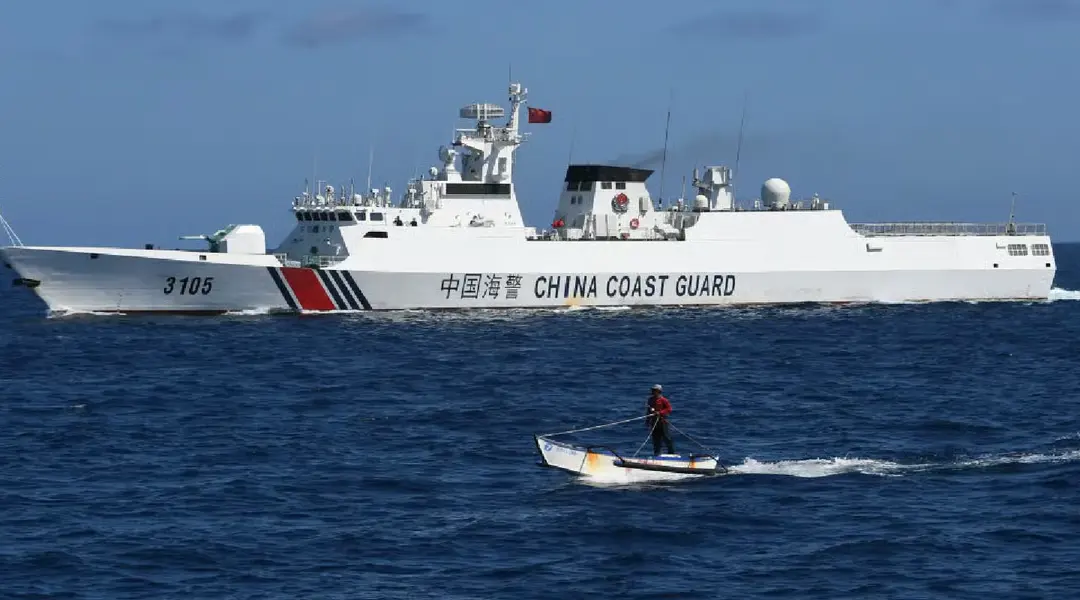
On November 1 2026 Taiwans coast guard said Chinas coast guard was ships during a patrol off the eastern coast of Taiwan. Taipei said Chinese ships used radio messages to say they had the right to control the waters around which made Taiwan send its ships to watch what was happening.
The argument came after China said on October 31 that its coast guard had done patrols in the waters east of Taiwan. According to Taiwans coast guard office two Chinese ships, Hushi (CCG 1308) and Meishan (CCG 2303) were part of the event.
China called the patrols part of efforts to control the area keep the sea order and protect the rights and safety of people including those in Taiwan.
Taiwan did not agree with that explanation. It said Beijing was trying to make people think it controlled the area around the island.
The new event is part of an increase in Chinese coast guard activity east of Taiwan since June 2026. Although no big problems with shipping were reported in the event the repeated presence of government ships in important waters is getting attention from ship operators and security people in the area.
The issue is important because Taiwans eastern part is seen by Taipei as important to keep access to supply routes if there is a block or a military fight.
China says the event was a law-enforcement patrol
Chinas coast guard said a group of ships led by Hushi was in the waters east of Taiwan on October 31.
A Chinese coast guard spokesperson, Jiang Lue said the organisation had increased patrols and checks in the area since October. According to the statement the goal was to keep the sea order and protect the rights, safety and property of the Chinese people including those in Taiwan.
The Chinese point of view shows that Beijing believes Taiwan is part of its country and that the surrounding waters are under its control.
China has always said no to Taiwans claims of being independent. Calls its actions in the water legal.
Taiwan has its government, army and coast guard. It says Chinas actions around the island are an attempt to challenge Taiwans right to control its waters.
This disagreement makes it hard for ships to operate. Coast guard ships can do enforcement give radio instructions and be seen without causing the kind of fight that military ships do.
This difference is important because repeated law-enforcement events can change how ships, shipping companies and local authorities see who controls the sea.
Why the eastern part of Taiwan matters to shipping
The eastern area of Taiwan is important because it connects the island to the wider Pacific.
While much of the talk about China-Taiwan problems focuses on the Taiwan Strait, the waters east of Taiwan are another sea route. Taipei says these waters are important for supply routes connecting Taiwan with international partners if other routes are blocked.
This is especially important in a block situation.
A block would involve stopping or controlling access to ports and sea routes. It could affect the movement of goods, energy and important materials creating problems for businesses and economies that depend on sea trade.
Taiwans government is worried that the repeated coast guard patrols could help China practice coordinated sea operations using military, paramilitary and civilian ships.
These worries are what Taiwanese authorities say. They should not be seen as proof that a block is happening or that ships are already being restricted.
So the location of Taiwan means that changes in sea activity can get attention from shipping companies, local governments and security experts.
For businesses the importance of these routes is more than the current problem. Any long-term change in sea security could affect shipping choices, insurance and planning for supply chains.
Radio communication is becoming part of the sea argument
A part of Taiwans latest complaint is the radio communication between Chinese coast guard ships and the ships in the area.
Taiwans coast guard said Chinese ships tried to say they had control through radio messages. Taipei said this was disturbing and an attempt to increase Chinas presence at sea.
Chinese state media showed a coast guard ship broadcasting that it was doing enforcement and offering help if needed. The video also showed a fishing ship but the radio did not say who it was for.
The disagreement shows how control over the sea can be argued without stopping or using force.
Radio messages are normal in shipping. Ships use them to share navigation info, safety warnings and instructions from the authorities.
Conflicting instructions or arguing about who is in charge can make it hard for commercial ships especially when government ships are in the same area.
The difference between a patrol message, a warning and a real order is important. Taiwan says China is using the radio to make people think it has control. China says its patrols are legal.
There is no evidence that ships were stopped or forced to change course during the latest sea patrol.
The Pratas Islands add another place of sea pressure
The latest fight happened along with another event involving the Pratas Islands, which are controlled by Taiwan. They are in the part of the South China Sea.
Taiwans coast guard said a Chinese coast guard ship came close to the islands on October 31. The agency said it had pushed Chinese coast guard ships away from the area 13 times in 2026.
The Pratas, also called Dongsha are between Taiwan and Hong Kong and are more than 400 km from the main island of Taiwan.
The islands have no people and are important because of their location.
Their distance from Taiwan makes it harder to watch and respond to sea activity. Security experts also say their isolation could make it hard to defend them during a conflict.
The events around Pratas and the eastern coast of Taiwan show that pressure at sea is not just in one place.
For shipping companies the bigger worry is whether repeated events in areas could make it harder to know what to expect.
What the growing sea activity could mean for shipping companies
The effect of the latest patrol is not just on the ships involved.
Shipping companies work with schedules, insurance, port access and risk checks. When sea security becomes less clear operators might need to look at their routes and talk more with the authorities.
Financial effects could come in a ways.
Insurance companies may look at the risks of routes again if fights happen more often or if the chance of bigger fighting increases. Depending on the situation this could change insurance rates, exclusions and extra security needs.
Shipping companies could also face uncertainty if ships get instructions or more checks from the coast guard.
Energy transport is another thing to think about. Taiwan depends on sea imports for energy so keeping routes is really important.
A big disruption could affect getting things like gas and oil.. The latest patrol did not show that these supplies were stopped.
Manufacturers could face a risk if uncertainty leads to longer restrictions or delays. Companies that need parts, materials and electronics from the area might need to have logistics plans.
For companies the main thing is being ready rather than thinking every patrol will stop trade.
Taiwans sea problems could affect how businesses look at risks
Sea security has become more important in business planning.
Companies in East Asia already think about risks when choosing suppliers arranging transport and placing factories.
The latest events add to the need to check how much the sea around Taiwan affects them.
Businesses might look at how much they depend on ports and sea routes in the area check insurance and see if there are ways to move things.
For companies with stock even short delays can cause problems. Companies using in-time manufacturing may be especially affected by delays in getting special parts.
Making supply chains more varied can cost money. Having extra suppliers, other transport and more stock can increase money needed for work.
So companies need to balance the cost of being ready against the money problems from a big disruption.
The current situation does not mean that shipping in the area has stopped or that businesses need to move their supply chains away. It just shows why the sea events around Taiwan are still important for trade planning.
Sea encounters raise questions about regional stability
Chinas increased coast guard presence east of Taiwan has become a part of the security situation in the area since June 2026.
Taiwans officials say Beijing is using coast guard, research and fishing ships with actions to increase its presence in the waters.
The plan as Taiwans officials say, could make repeated sea actions seem normal while slowly challenging Taiwans ability to run its waters.
China does not. Says its coast guard is doing legal patrols in waters it controls.
This different view is, at the heart of the argument.
Coast guard ships are in a position between civilian ships and military groups. Their work can include checking the rules on the sea watching over areas and managing things. Their actions might also have bigger plans.
For governments the worry is that if ships meet often it could lead to mistakes especially when the ships are very close to each other.
Good ways to talk and ways to avoid accidents or things getting worse are important for keeping ships on the water.
What Will Happen Next?
What happens next depends on whether China keeps increasing its coast guard activity near Taiwan and how Taipei reacts to patrols.
Shipping companies will also watch if more ships are approached, if radio talks happen often and if there are any rules that slow things down or stop them.
The area near the Pratas Islands is also important to watch especially if the coast guard meetings keep happening like what Taiwan says.
For companies around the world the main signs to look for are if the paths ships take change if the insurance rules get harder if more ships come to ports and if there are warnings about the sea.
The recent patrol did not create a commercial block or stop trade.. More problems could make things less certain for businesses that need safe and regular sea transport.
Taiwan says that China used force on ships during its coast guard patrol, which shows how important the sea is for security in East Asia.
China says its actions are police work but Taiwan believes they are trying to challenge its control over the sea and put more pressure on the island. Both sides disagree about who owns the land and who has the right to control the water.
Even though no big problems with trade have been found from the meeting the place where the patrol happened makes the situation important for the economy.
Taiwans eastern side is important for its trade routes and the nearby Pratas Islands are another place that is important for the sea.
For companies over the world the main worry is not a sudden stop in trade but the chance that seeing ships meet often could slowly make things harder more expensive and riskier for their supplies.
The bigger lesson for businesses is that keeping the sea safe is not, about politics. It is also a part of the system that keeps trade moving around the world.
Nexuswild welcomes factual corrections. Email contact@nexuswild.com with evidence and the article URL.