
North Korea fired around 10 short-range ballistic missiles toward the East Sea on October 29, South Korea’s military said, in a launch that came as tensions continued along the heavily militarised inter-Korean border.
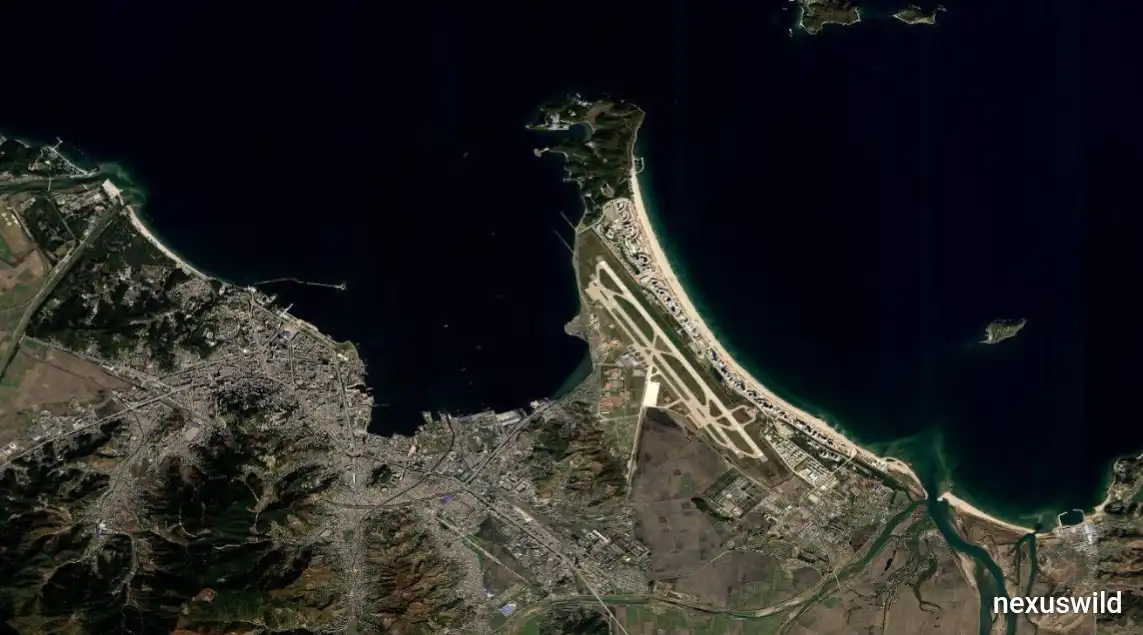
The missiles were launched from the Wonsan area on North Korea’s eastern coast at approximately 12:30 p.m. local time and travelled about 250 kilometres, according to South Korea’s Joint Chiefs of Staff (JCS). Japan’s defence authorities said the projectiles were believed to have fallen outside Japan’s exclusive economic zone (EEZ).
South Korea said it had increased surveillance and remained on alert for additional launches, while maintaining close information-sharing with the United States and Japan. "Yonhap News Agency" (https://en.yna.co.kr/view/AEN20261019003553315)
Launch detected from North Korea’s east coast
The South Korean military reported detecting around 10 short-range ballistic missiles launched from the Wonsan area. The JCS said further analysis of the missiles’ specifications and other details was being conducted in coordination with the United States.
Japan’s Ministry of Defense also reported a suspected ballistic missile launch. Japan’s Coast Guard said the projectile had fallen into the sea, while the Defence Ministry assessed that it had not landed within Japan’s EEZ.
The launch did not immediately produce reports of damage to vessels or other physical disruption in the area. However, authorities continued gathering information and monitoring maritime conditions.
The East Sea, also commonly called the Sea of Japan, is bordered by the Korean Peninsula, Japan and Russia. Missile launches into the waters can prompt regional monitoring and navigation-related precautions even when the projectiles land outside a country’s EEZ.
South Korea and allies strengthen monitoring
South Korea’s military said it was maintaining a heightened readiness posture and coordinating closely with Washington and Tokyo. The three countries have established mechanisms for sharing information about North Korean missile activity, including tracking launches and assessing their characteristics.
The October 29 launch was North Korea’s first ballistic missile launch since October 12, according to regional reporting. That earlier test involved missiles launched from the Pyongyang area, with some reportedly travelling more than 900 kilometres. North Korean state media later described the October 12 test as involving tactical ballistic missiles.
The latest salvo is another reminder of the ongoing missile-development programme pursued by Pyongyang. North Korea has repeatedly conducted ballistic missile tests despite United Nations Security Council resolutions restricting its ballistic missile activities.
Border tensions form part of the wider backdrop
The launch came amid heightened tension between North and South Korea following a landmine explosion near the military demarcation line in September that injured three South Korean soldiers.
South Korea has accused North Korea of responsibility for the incident, while Pyongyang has denied involvement. Seoul has proposed military talks aimed at addressing differences over border demarcation and reducing the risk of accidental clashes.
The missile launch also followed developments along the border involving military activity and propaganda loudspeakers. South Korean officials have said that they remain alert to possible additional provocations, while analysts have cautioned against assuming that the border situation directly caused the missile test.
The timing may serve several purposes for Pyongyang, including demonstrating military capabilities and signalling its position to South Korea, the United States and Japan. However, the specific motivation for the launch has not been independently confirmed.
Regional security and commercial implications
North Korean missile launches add to security concerns across Northeast Asia, where South Korea, Japan and the United States maintain close defence cooperation. They can also prompt diplomatic responses and renewed discussions about deterrence, military readiness and crisis communication.
For commercial shipping and aviation, authorities monitor launch information and issue notices when required. The October 29 reports did not establish an immediate disruption to regional freight or air traffic. Any assessment of operational impact should rely on official navigation or aviation notices rather than assuming that a launch automatically caused delays.
The broader economic consequences are also uncertain. A single missile test does not establish that trade flows, supply chains or financial markets will be materially affected. The implications would depend on whether the event triggered a wider escalation, additional sanctions or a sustained change in regional risk assessments.
What to watch next
South Korean and US authorities are continuing to analyse the missiles’ technical characteristics. Further details may help clarify the type of system involved and whether the launch demonstrated a new capability or repeated a previously tested one.
Regional observers will also be watching for additional missile activity, responses from North Korean state media and any further diplomatic moves by Seoul, Washington or Tokyo.
For now, the confirmed development is a sizeable missile launch toward the East Sea, followed by increased monitoring and coordination among regional security partners. The launch underscores persistent tensions on the Korean Peninsula, but its immediate consequences should be distinguished from broader forecasts of military escalation or economic disruption.
Nexuswild welcomes factual corrections. Email contact@nexuswild.com with evidence and the article URL.