
Samsung is putting one billion dollars into Helix a company backed by KKR as it tries to get into the market for data centres that support artificial intelligence.
Samsung is trying to do more than just make parts for computers. It is putting one billion dollars into Helix Digital Infrastructure a company set up by KKR to build and manage the places where artificial intelligence needs to work.
Six companies that are part of Samsung will join the group that supports Helix. Samsung Electronics will give five hundred million dollars. The other five hundred million dollars will come from Samsung C&T, Samsung SDS, Samsung SDI, Samsung Life Insurance and Samsung Fire & Marine Insurance.
This was announced on September 29 2026. It is a way for Samsung to use its existing skills and help with the things that big computers need. It also helps Samsung get closer to making, funding and supporting the machines that run artificial intelligence.
This move is important because the cost of using intelligence is not just about making the small parts. The places where artificial intelligence works need space, electricity, cooling, backup power, connections and building time. These things are now very important for how fast artificial intelligence can be used.
Samsung puts one billion dollars into a plan for infrastructure.
Helix started in June 2026 with help from KKR and other big investors like the Kuwait Investment Authority, Nvidia and Vistra. At first the company had over ten billion dollars in long-term money.
Samsungs extra one billion dollars adds to that. With the numbers given Helix has over eleven billion dollars in money that is promised. This is the money that's available not the money that has already been spent on buildings or machines.
Helix works in areas of big machines. Its work includes making data centres making electricity sending electricity and connecting with fast internet.
The company is run by Adam Selipsky, who used to be the leader of Amazon Web Services. His experience in computer systems gives Helix leaders a lot of knowledge about what big customers need.
For Samsung this investment could help it get involved in a company whose needs match some of what Samsung does. Of just selling parts Samsung could help with other things like technology, engineering and services.
Why artificial intelligence infrastructure is becoming more important
More and more people are using computer models that create new things. This means that the places where these models work need power and more space.
These places need groups of special machines fast memory, good internet and storage. These machines make a lot of heat. Need special systems to keep them cool. At the time they need good power, extra power and internet that can handle a lot of work.
The problem is not just getting machines. People need to find places get power connect to the internet cool the machines build the places and get money for a long time.
This problem creates a chance for companies that can help in parts of the process. Samsung has some of these skills. It depends on whether its different parts can get contracts.
Samsungs business with parts is still a main strength
Samsung Electronics is still one of the big companies that makes parts for computers. It makes memory and other things that are important for computers.
High-speed memory is important for machines that do intelligence because they need to get a lot of data quickly. As the models get bigger the speed and size of memory are important for how the places where they work're built.
Samsungs business with parts could get help from the growth of artificial intelligence even if the company is not directly running the places where its parts are used.
The investment with Helix connects Samsungs parts with a company that focuses on machines.. The investment does not mean that Helix has already agreed to buy Samsungs memory, machines or other parts.
This is important. The investment creates a relationship and a possible way to work together. Getting actual contracts choosing what to buy and how much to buy would be separate steps.
Samsung adds a way to cool machines
Samsungs plans for machines that do intelligence go beyond just making parts. One of its important moves was buying FläktGroup, a company that makes heating, air conditioning and ventilation.
Samsung bought FläktGroup in May 2025. Finished the deal in November. The company said the buy would help it get better at making heating and cooling for places including the cooling parts for machines that do artificial intelligence.
Cooling is really important for intelligence. Machines that do a lot of work get very hot. Need good cooling systems. If the cooling is not good the machines use power work worse and are harder to run.
FläktGroup gives Samsung the skills and products to help with cooling. It helps Samsung be better at cooling parts of machines but it is not clear which products will be used in the projects connected to Helix.
This buy is a step in Samsungs larger plan, not a sign that Samsung has already sold a full cooling system for Helix.
Batteries and backup power are becoming more important
Artificial intelligence machines need steady electricity. Even a short break can stop work make things unreliable and cost a lot of money.
Backup power and storing energy can help machines deal with breaks and keep going. Samsung SDIs battery business could connect with what the machines that do intelligence need.
Energy storage can also help manage how much power is used, mix sources and help with power systems. The exact setup depends on the machines, where they're rules and money.
Samsungs part through Samsung SDI could help explore these ideas with Helix.. The public announcement does not say which batteries, how much or when they will be used.
The difference between being ready to work and having a contract is important when looking at the money side.
Samsung C&T and Samsung SDS help the company reach
Samsung C&T brings skills in building and making things that could be useful for big projects. Machines that do intelligence need help with building making electricity, cooling and other things.
The ability to help with these could let Samsung get more of the work.. The investment announcement does not say that Samsung C&T has a contract with Helix.
Samsung SDS has skills: running machines, internet services and machines that do work. The company already runs Samsung Cloud. Offers machines that people can use without building their own.
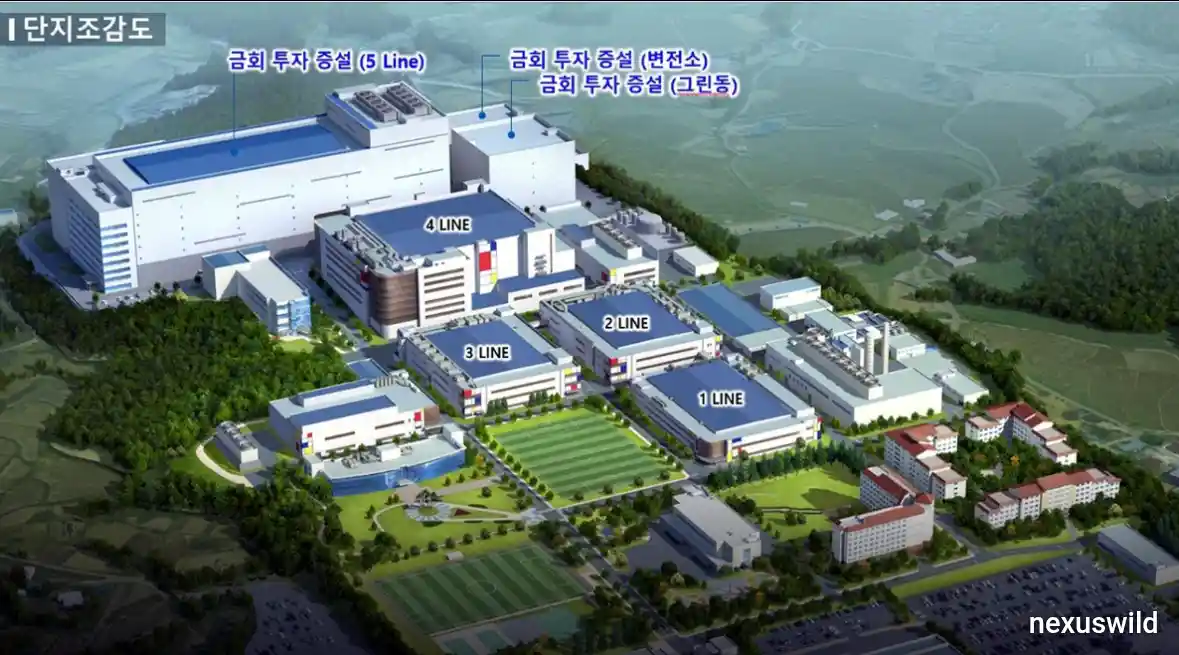
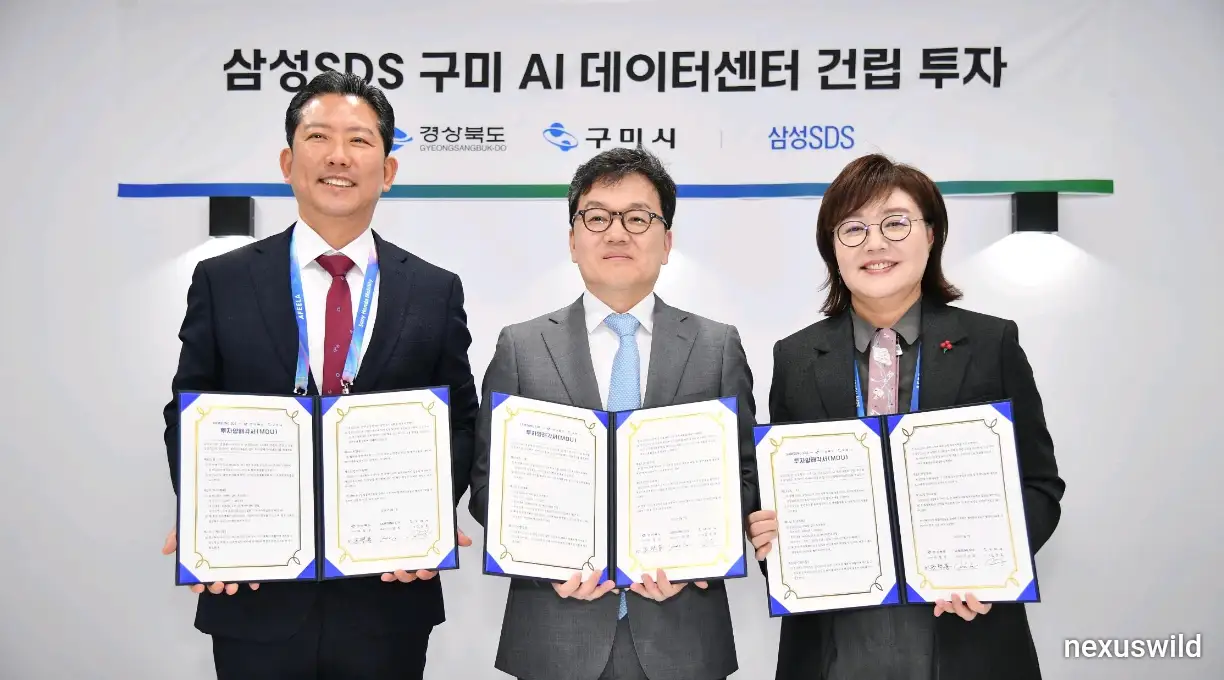
Samsung SDS also said it is building a machine place in Gumi, South Korea. It will start with 60 megawatts of power. Could go up to 120. It is planned to finish by the end of 2028.
The Gumi project shows that Samsung SDS is trying to build machines for intelligence on its own and through partners. It is not part of Helix. Should not be seen as a Helix place.
Together these companies help Samsung get involved in parts of the process: building, making parts, running machines and managing them.
The people who started Helix bring skills
The group that supports Helix has money and knowledge about technology and electricity.
KKR started the company. Has experience with big projects. The Kuwait Investment Authority gives money from a country. Nvidia brings knowledge about machines that do intelligence.
Vistra is the electricity partner for Helix. Electricity is very important for the companys plan because big machines need a lot of power.
Samsung adds skills in making parts, building, batteries, cooling and internet services. The mix could help Helix get resources for big customers who need complete solutions.
Having big investors does not mean every project will get money get permission connect to the power or finish on time. The actual work is what matters most.
A money-time problem appears with Vistra
The plan for Helix has a time issue. Reports in November said that Vistra changed when it would give its money to 2027 instead of 2026.
Vistras reports said that the first five hundred million dollars it promised was still available to the company. The company also said it had another five hundred million dollars that would be given if certain projects were done.
The delay is not a sign that Vistra's not part of the plan. The reason was about when projects and money would be used, not about leaving.
Still this shows a problem for people investing in big machines: the money is given when projects are ready for building getting power and getting permission.
For Samsung the time is important because the chances for its companies to get work may depend on when Helix projects start to buy things and build.
Samsungs plan goes beyond the Helix investment
The one billion dollars is one part of a bigger effort to get more involved in the world of artificial intelligence.
The buy of FläktGroup helped with cooling. Samsung SDS is expanding its services, for machines. Building its own place. The bigger plan also includes batteries, building, electronics and financial services. These parts offer ways to connect with what machines that do intelligence need.
The goal is to get involved in parts of the process. This could help get money and not depend as much on the changing times of selling parts.
A conglomerate structure alone does not ensure successful integration. Different subsidiaries have their customers, investment priorities, management structures and commercial requirements. Coordinating them around an infrastructure strategy will need clear accountability and competitive execution.
The Financial Opportunity and Its Limits
AI infrastructure could create recurring revenue opportunities through data-centre operations GPU services, cooling equipment, power systems, construction and long-term maintenance.
For Samsung these markets could support semiconductor sales. Infrastructure contracts and service relationships may also create commercial engagements than individual component transactions.
The potential upside is big. The financial outcome remains unclear. Data-centre development is expensive. Returns depend on utilisation, customer commitments, electricity prices, financing costs and construction schedules.
The group must also compete with data-centre developers, established cloud providers, engineering companies and equipment manufacturers. Its size is an advantage. It does not remove the need to show cost efficiency, reliability and strong customer service.
Investors should therefore separate the value of the Helix commitment from its eventual contribution to Samsung’s earnings. The public announcement does not provide a guaranteed revenue forecast or a quantified return on the $1 billion investment.
What Investors and the Industry Should Monitor
Several developments will decide whether Samsung’s strategy becomes a source of long-term growth.
First the market will need proof of Helix project deployment, including site announcements, power arrangements, construction schedules and customer commitments.
Second investors should watch for confirmed procurement agreements involving Samsung affiliates. Orders for cooling equipment, battery systems, construction services or computing infrastructure would provide evidence of commercial integration than general statements about potential cooperation.
Third the timing of capital contributions and the progress of Vistra’s power-related commitments will be indicators of project execution.
Fourth Samsung SDS’s ability to bring in customers for data-centre operations and GPU services will help see if its infrastructure business can grow beyond internal group demand.
Finally the profitability of these activities will matter more than the size of the investment. Recurring revenue, utilisation rates, operating margins and returns on invested capital will give an idea of strategic success.
Samsung Wants a Role in the AI Infrastructure Economy
Samsung’s $1 billion commitment to Helix Digital Infrastructure shows a major expansion of its strategic participation in the AI economy.
The investment links Samsung Electronics and five group affiliates with a platform backed by KKR, Nvidia, Vistra and the Kuwait Investment Authority. It also creates a path for Samsung’s semiconductor, cooling, battery, construction and IT-services businesses to take part in the development of next-generation computing infrastructure.
The bigger picture is clear: Samsung wants to take advantage of opportunities beyond supplying the components that power AI systems. It is positioning itself to be part of the facilities, energy systems and services needed to run them.
The change is not yet done. Capital commitments must become projects potential partnerships must become contracts. The group must show that its subsidiaries can work together well in a competitive market.
For now the Helix investment is best seen as a foothold, in the growing AI infrastructure market. Whether it becomes a lasting earnings source will depend on execution, power availability, customer demand and the commercial performance of Samsung’s infrastructure businesses.
Nexuswild welcomes factual corrections. Email contact@nexuswild.com with evidence and the article URL.