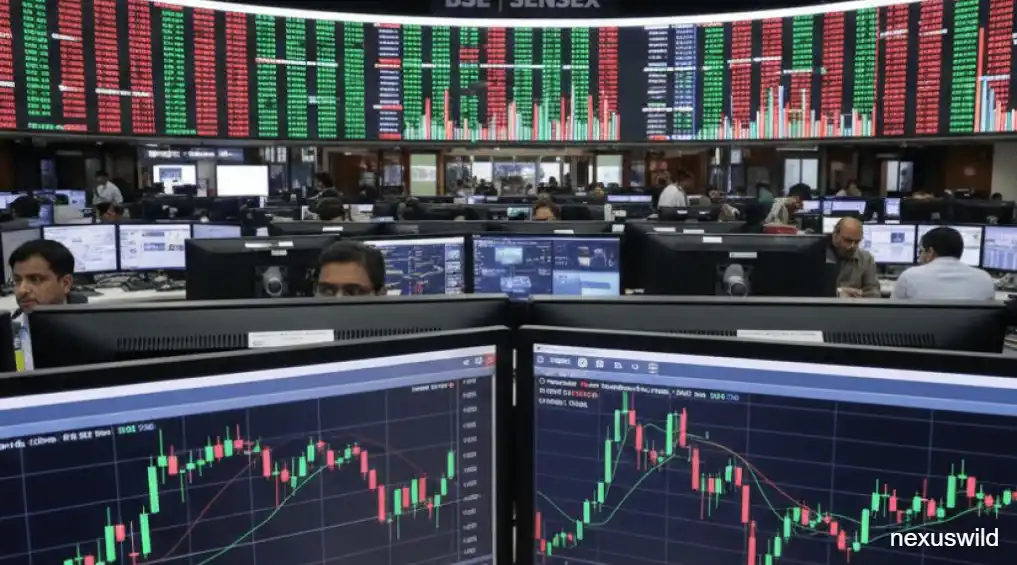

Hong Kong stocks came under heavy selling pressure on October 22 as investors reassessed the likelihood of additional economic support from Beijing. Technology shares led the decline, while mainland Chinese equities moved closer to the threshold commonly used to define a technical bear market. The sell-off reflected a combination of fading stimulus expectations, questions about domestic demand and renewed pressure across global technology stocks.
The Hang Seng Index fell 2.9% during Thursday's session, while the Hang Seng Tech Index dropped 4.6%. Mainland China's CSI 300 Index declined 1.3% by the midday break, leaving it close to 20% below its June peak. The Shanghai Composite Index also moved lower.
The decline was significant because investors had previously looked to government support measures to help stabilise Chinese markets and improve confidence in the country's economic outlook. Recent economic data, however, suggested that policymakers might feel less immediate pressure to introduce a large new stimulus package.
Why Hong Kong shares came under pressure
The immediate trigger was a reassessment of how much additional support Beijing might provide. Investors had hoped for stronger measures to stimulate household spending, stabilise the property market and improve business confidence. The measures announced ahead of China's National Day holiday, including mortgage interest subsidies for first-time buyers of lower-priced properties, fell short of some market expectations.
Stronger-than-expected third-quarter economic growth also complicated the outlook for stimulus. If economic growth is tracking close to the government's annual target, officials may see less need for a large, immediate intervention. That does not mean further support is impossible, but it can reduce the likelihood that markets receive the policy boost some investors had anticipated.
Stock prices often respond not only to economic conditions but also to the difference between what investors expect and what policymakers actually deliver. When traders have already priced in substantial support, even a relatively healthy economic report can disappoint if it lowers the probability of further stimulus.
Technology stocks lead the decline
Technology companies were among the biggest contributors to Hong Kong's market weakness. The Hang Seng Tech Index fell 4.6%, reflecting investor concerns about technology valuations, earnings prospects and the wider international sell-off in AI-related shares.
Tencent and Alibaba were prominent decliners. Tencent shares fell 3.4%, while Alibaba dropped about 6% during the reported session. Both companies have substantial exposure to China's digital economy, including online services and commerce. Their performance can influence broader market sentiment because of their size and importance in Hong Kong's technology-heavy equity market.
Investors are also examining whether elevated spending on artificial intelligence will translate into sustainable profits. Large technology businesses may be investing heavily in infrastructure, products and computing capacity, but the financial returns can take time to emerge. If investors become less confident about future earnings, stocks with high growth expectations can experience sharp valuation adjustments.
The global technology sell-off added another source of pressure. This matters because Hong Kong-listed technology companies are influenced not only by domestic Chinese conditions but also by international appetite for growth stocks and AI-related investments.
Beijing's stimulus dilemma
Chinese policymakers face a difficult balancing act. They need to support household demand and confidence while avoiding measures that create new financial imbalances or deliver only a temporary improvement in activity.
The economy's recent growth has been supported by exports, while household consumption has remained comparatively subdued. This uneven pattern raises questions about how durable the recovery will be if external demand weakens or trade conditions become less favourable.
A broad stimulus package could provide support to businesses and consumers, but the scale, timing and composition of such measures matter. Investors may prefer direct steps that lift consumption and confidence rather than limited interventions that do not change the outlook for corporate earnings.
At the same time, policymakers may be reluctant to commit to a large programme if they believe existing measures are sufficient to meet the growth target. Markets therefore face uncertainty over whether additional support will arrive, which sectors it would target and how quickly its effects would be felt.
Mainland Chinese stocks approach bear-market territory
The weakness was not limited to Hong Kong. The CSI 300 Index, which tracks major mainland-listed companies, fell 1.3% by the midday break on October 22 and stood close to 20% below its June peak. A decline of 20% from a recent high is commonly used as a technical definition of a bear market.
The Shanghai Composite Index also fell, while technology-focused mainland benchmarks recorded losses. The ChiNext Composite Index declined 2.8%, and the STAR 50 Index fell 1.6% during the reported period.
These moves suggest that investors were reassessing risk across a range of Chinese equity sectors. Technology valuations, domestic consumption, corporate earnings and the potential for further policy support all remain important factors in the market outlook.
However, a technical threshold is a market convention, not a prediction of what happens next. It does not by itself establish that a prolonged downturn is inevitable. Investors will continue to watch earnings, economic indicators, policy announcements and capital flows for evidence of whether selling pressure is easing or becoming more persistent.
Why domestic consumption remains important
One of the underlying concerns is the strength of Chinese household demand. Retail spending and consumer confidence influence the revenue outlook for e-commerce platforms, travel businesses, restaurants and a wide range of service providers.
When households remain cautious, businesses may struggle to increase sales even if headline economic growth appears stable. Companies can respond by cutting prices, reducing investment or delaying hiring. Such behaviour can weigh on profit growth and make investors less willing to pay high valuations for future earnings.
For major internet platforms, consumer spending is particularly relevant because e-commerce and advertising activity depend on businesses and households participating in the digital economy. Slower demand can affect merchants, advertising budgets and transaction growth, although the effect varies across companies and business lines.
A durable improvement in sentiment would likely require more than a short-lived market rally. Investors will want to see evidence that household spending, business confidence and earnings are strengthening in a sustainable way.
AI investment and valuation concerns
The market decline also reflects wider questions about the economics of artificial intelligence. Investors have rewarded technology companies associated with AI development and adoption, but expectations can become vulnerable when valuations rise faster than near-term profits.
Developing and operating advanced AI systems requires substantial spending on computing infrastructure, data centres, chips and research. The eventual returns depend on customer adoption, pricing power, productivity gains and the ability to convert new capabilities into profitable services.
Chinese technology companies are also operating in a competitive environment shaped by domestic rivals, international technology restrictions and changing consumer demand. Strong technical progress does not automatically guarantee that every company will generate sufficient earnings to justify its market valuation.
When investors reduce their willingness to pay for expected future growth, the resulting repricing can spread across related sectors. That dynamic can amplify a market decline even when individual businesses have not announced a major deterioration in their own operations.
What the sell-off means for regional markets
Hong Kong is an important destination for international investors seeking exposure to Chinese companies. As a result, the performance of its stock market can reflect changes in global risk appetite as well as developments inside China.
A decline in major Hong Kong indexes may influence sentiment across other Asian markets, particularly when the selling coincides with weakness in global technology shares. Investors often reconsider portfolio risk across regions and sectors when several markets fall together.
Still, the relationship is not automatic. Other Asian markets have different economic structures, corporate earnings drivers and policy conditions. The impact of a Hong Kong sell-off will depend on whether it remains concentrated in Chinese technology stocks or develops into a broader reduction in risk-taking.
For international investors, the episode reinforces the importance of separating short-term price movements from longer-term fundamentals. Policy expectations can move quickly, but sustainable market performance ultimately depends on earnings, cash flows, valuations and confidence in the economic outlook.
What investors will watch next
Investors are likely to focus on several developments in the coming weeks. These include any new statements from Chinese policymakers, evidence of stronger household consumption, corporate earnings updates and changes in the performance of global technology shares.
Policy announcements will be especially important because markets have become sensitive to the scale and timing of possible support measures. Investors will look for signs that the government intends to do more to encourage domestic demand or stabilise sectors facing persistent pressure.
Earnings reports will provide another test. If major technology companies demonstrate that revenue growth and AI investment are translating into stronger profits, sentiment could improve. If earnings disappoint or investment costs rise faster than returns, valuations may remain under pressure.
The direction of global markets will also matter. A sustained recovery in international technology stocks could help stabilise sentiment, while renewed selling could continue to weigh on Hong Kong-listed growth companies.
Conclusion
Hong Kong's October 22 sell-off highlighted the sensitivity of Chinese equities to changing expectations about government support. The Hang Seng Index fell 2.9%, while the Hang Seng Tech Index dropped 4.6%, as investors weighed fading hopes for a larger stimulus package against concerns about domestic demand and technology-sector valuations.
The decline was reinforced by pressure on major companies including Tencent and Alibaba, as well as a broader global reassessment of AI-related stocks. Mainland Chinese benchmarks also fell, with the CSI 300 approaching the commonly used 20% bear-market threshold from its June peak.
The next phase will depend on whether Beijing introduces additional measures, whether household demand improves and whether technology companies can demonstrate sustainable earnings growth. The latest market move is a clear warning about investor expectations, but it is not by itself proof that a prolonged downturn is inevitable.
Frequently asked questions
Why did Hong Kong shares fall on October 22, 2026?
Hong Kong shares fell as expectations for additional Chinese economic stimulus weakened, technology stocks came under pressure and investors reassessed the outlook for domestic demand and corporate earnings.
How much did the Hang Seng Index fall?
The Hang Seng Index declined 2.9% during the reported session on October 22, 2026.
How much did Hong Kong technology stocks fall?
The Hang Seng Tech Index dropped 4.6% during the reported session.
Why are investors less confident about further Beijing stimulus?
Recent economic growth was stronger than expected and appeared closer to the government's annual target, reducing expectations for an immediate, large-scale stimulus package. Some earlier measures had also fallen short of investor expectations.
Are mainland Chinese stocks in a bear market?
The CSI 300 was close to 20% below its June peak during the reported session. A 20% decline is commonly used as a technical bear-market threshold, but crossing it does not predict the future direction of prices.
What should investors watch next?
Investors will monitor policy announcements, household spending, corporate earnings, technology-sector investment returns and the direction of global equity markets.
Reader questions
Frequently asked questions
Why did Hong Kong shares fall on October 22, 2026?
Shares fell as hopes for stronger Chinese stimulus weakened, technology stocks sold off and investors reassessed domestic demand and earnings prospects.
How much did the Hang Seng Index fall?
The Hang Seng Index declined 2.9% during the reported session on October 22, 2026.
How much did the Hang Seng Tech Index fall?
The Hang Seng Tech Index dropped 4.6% during the reported session.
Why are investors less confident about further Beijing stimulus?
Stronger-than-expected third-quarter growth reduced expectations for an immediate large-scale stimulus package, while earlier measures had fallen short of some market expectations.
What should investors watch next?
Investors will monitor Chinese policy announcements, household demand, corporate earnings, AI investment returns and global technology-market performance.
Nexuswild welcomes factual corrections. Email contact@nexuswild.com with evidence and the article URL.