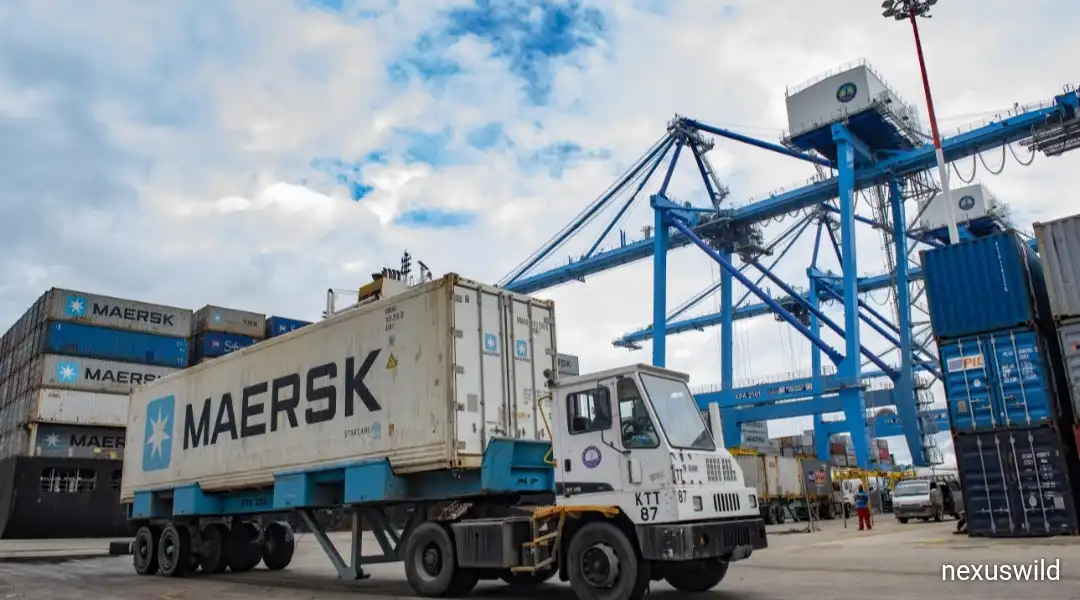

Chinese manufacturing investment in Africa grew to eight billion dollars in 2025, about fifty percent more than it was ten years ago. Companies are building factories on the continent instead of exporting all their goods from China. This change shows that China and African economies are shifting their ties. Firms want market access, regional distribution and new ways to avoid supply chains that are focused only in Asia.
The Financial Times released these numbers on October 22 2026. It showed that private Chinese companies are spreading their manufacturing and other industrial work across markets. Kenya, Tanzania and Uganda have become destinations. They offer parks, open land and chances to serve customers in many countries.
This shift does not mean Chinese manufacturing investment in Africa companies are giving up exports from home. Instead they are adding factories near customers. Local production can speed up delivery cut down on logistics hassles and give access to trade deals.
Why companies are establishing production bases
Many reasons push manufacturers to rethink where they build goods. Firms in China feel competition shifting demand and a need for new markets. Building factories in Africa gives them access to growing consumer markets. Brings production nearer to buyers.
Industrial zones help make the move easier. Places like Kenyas Tatu City give industrial land good transport links and power and water. Special economic zones can also offer customs and tax perks. Only if local laws allow it.
Regional trade is also a factor for manufacturing investment in Africa. Companies that make goods in Africa can serve markets more easily than sending everything from Asia. The African Continental Free Trade Area wants to cut trade barriers inside Africa. Real access depends on rules of origin, tariffs, product standards and how each country follows the rules.
For manufacturers the business math is still tied to the product and market. Local production can cut some shipping costs. Firms still need to handle labour, energy, imported raw materials, rules, currency changes and the cost of building good supplier networks.
Kenyas Tatu City illustrates the model
A good example is Zhende Medical, a medical-supply maker that set up factories in Kenya through FullCare Medical. The firm chose Tatu City, an economic zone close to Nairobi as a hub for African and global markets.
Zhende announced its plans in 2023. The project was shown as a staged manufacturing plan for goods like protective clothes and other consumables. The International Finance Corporation later backed the project with money to help set up medical-supply factories in Kenya.
FullCare Medical opened a garment factory at Tatu City in March 2024. The plant cost thirty million dollars and started by hiring around 1,800 Kenyans the zone developer said. More growth was on the way.
Later Kenyas investment agency talked about a Zhende footprint saying Phase I cost about one hundred fifty million dollars. Those numbers match parts of the project so they are not the same as the cost of one finished plant.
This example shows how a foreign maker can set up a base and grow production step by step. It also shows why you must separate investment, financing promises, building costs and actual spending when looking at industrial projects.
Potential benefits for industry
Manufacturing money can make jobs right in factories and also through transport, warehousing, maintenance, packaging and other help jobs. Local plants can give chances for training and let workers gain experience in industrial work.
Medical supplies are an example because the goods are vital for health systems. Local making can spread supply sources. Shorten delivery paths for some items but firms may still need imported raw materials and special tools.
Industrial clusters can pull in investors if companies can share infrastructure and have more trained workers. Over time this can help suppliers and grow services that would be hard to keep alive around just one isolated plant.
These benefits do not happen automatically. The count and quality of jobs depend on how big the plant's what tech it uses. The amount of value added depends on whether factories buy parts and services from, inside the country or import most of their inputs.
Investment growth comes with risks
The rise in manufacturing investment does not mean a smooth boom in every part of the continent. Investment is split unevenly by country and by sector. A few large projects can change the yearly totals a lot.
The definition of investment also matters. Announced project values, finished greenfield investments, mergers and acquisitions loans and official foreign‑direct‑investment statistics are kinds of data. They cannot be mixed together without changes.
Individual manufacturers face their risks. Currency swings can make imported machinery cost more while bad power supply or transport problems can stop production. Companies must also follow rules on jobs, environment, safety and product quality. Getting into markets depends on trade rules and whether goods satisfy the required standards.
For governments the long‑term test is whether foreign investment builds skills that stay in the local economy. This means training workers, building suppliers sharing knowledge and creating competitive production that goes beyond the original investors business.
What comes next
The next phase of manufacturing investment in Africa will depend on whether companies can turn new sites into steady businesses. Investors will look at factory openings, real capital spending, job numbers, export results and how local supplier networks grow.
Kenyas medical‑products manufacturing sector is one example of how an announced investment can start production and then grow in stages. Other projects in East Africa might follow paths depending on the industry, money source and customer access.
The broader trend shows a complicated economic relationship, between China and Africa—one that involves not only finished products and infrastructure but also manufacturing that sits inside local markets.
Whether that shift gives lasting benefits will depend on how it is executed. Investment totals show the size of business interest. The strongest proof of economic change will come from working factories, steady jobs, competitive exports and deeper local industry capacity.
Nexuswild welcomes factual corrections. Email contact@nexuswild.com with evidence and the article URL.