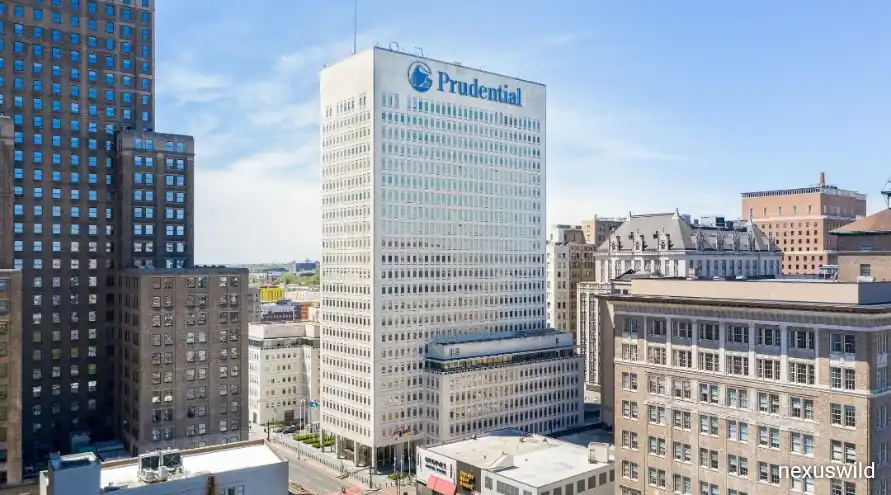

Redefine Properties has started a R106 million rooftop project in Cape Town. This project will send electricity from an industrial building to three other properties. Kenilworth Centre, Blue Route Mall and The Towers office precinct. Using the city’s electricity network.
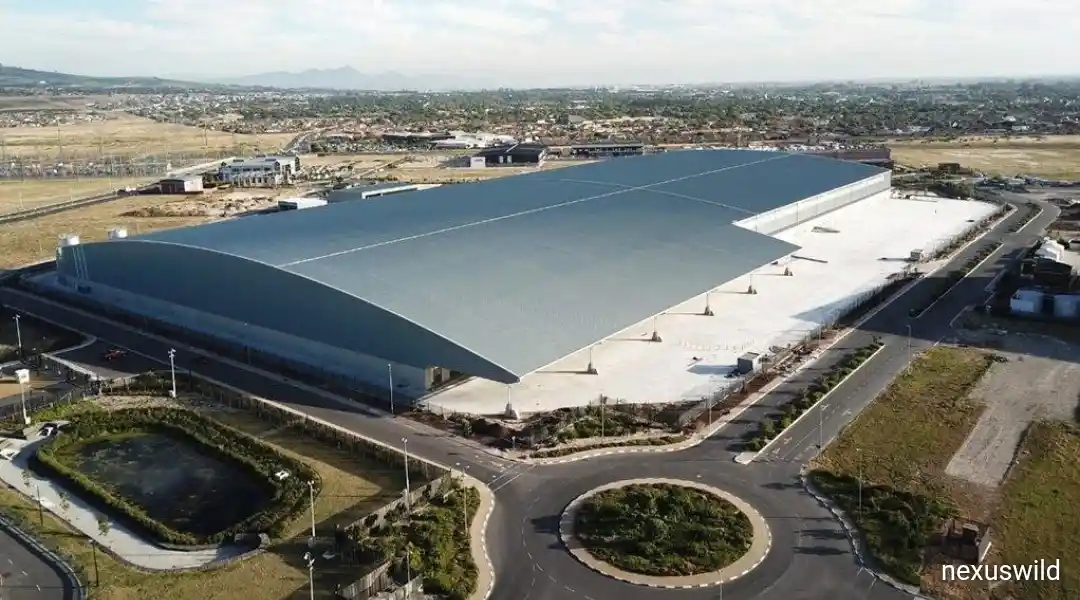
The solar setup is on the roof of the Massmart Distribution Centre in Brackengate. It’s 7.014 megawatt-peak (MWp) in size. Covers about 57,000 square metres. There are 11,691 panels on the roof. Each year the system is expected to make around 9,889 megawatt-hours of power and cut about 9,645 tonnes of carbon emissions.
The electricity travels from Brackengate to the three receiving properties through Cape Town’s electricity-wheeling system. That means power made at one place can be used at another long as both are connected through the city’s grid. This system helps Redefine use a rooftop for solar generation and send the power to buildings that need it even if they don’t have enough roof space.
This kind of setup is useful for property owners. Big distribution centres often have lots of roof space.. Shopping centres and offices may not. By linking them Redefine can use the spots for solar and still supply power to buildings that need it most.
The project needed electrical parts. Like a mini-substation, an inverter station and a transformer yard. The whole system connects to the city’s grid at the Rubicon Substation. Redefine has agreed to run this for 20 years giving long-term certainty to the electricity plan.
Why Cape Town’s wheeling system is important
Electricity wheeling is becoming a way for South African businesses to get more renewable power. Most companies have used electricity from the city or utility companies.. Wheeling lets them use power they make themselves and send it through the existing grid to other places.
Cape Town has been building its wheeling system to let more businesses join in. The city’s pooled wheeling programme connects solar generators with electricity users and the municipality handles the balancing and allocation. This is helpful for property owners who want to use power but can’t generate it at every building.
Redefine’s project is seen as the purpose-built rooftop solar wheeling project in Cape Town’s municipal grid. It’s an example of how private money can work with public infrastructure to expand renewable energy.
Not every place can copy this. It depends on ability, rules, grid charges and cooperation between the city and electricity users. Each site is different.
Environmental and business effects
Redefine expects the solar project to cut 9,645 tonnes of carbon each year. This depends on how power it actually makes and how much it replaces from the normal grid. The exact benefit will depend on real-world performance. How the emissions are calculated.
The project fits into Redefine’s plan to use energy more efficiently and reduce its environmental impact. Electricity is a cost for shopping centres, offices and industrial buildings. More access to power can help owners deal with rising electricity prices and meet their sustainability goals.. The financial gains depend on how much power is made, maintenance costs, grid fees and the terms of the electricity deal.
Tenants might benefit indirectly if lower energy costs improve the economics but there’s no promise of lower electricity bills for them.
This project doesn’t mean no power cuts. Solar power and wheeling can add options but electricity still travels through the city’s grid. If the grid goes down backup power. Like batteries or generators. Is still needed.
What it means for property
For Redefine this shows that buildings can do more, than one job. The distribution centre provides space for panels while other buildings use the power. This could become more common as property companies look to costs improve reliability and hit emissions targets. Without putting solar on every single building.
It also shows how local government can help renewable energy projects. When solar is privately funded the city’s grid is still how the power gets to users.
Now people will watch how much the solar system actually produces each year how much the three receiving buildings use and whether other projects can follow under Cape Town’s wheeling rules.
Redefine’s R106 million investment matters not for the size of the solar setup but for the model it shows: make solar where space is available and send it to other commercial buildings through the existing grid.
Nexuswild welcomes factual corrections. Email contact@nexuswild.com with evidence and the article URL.