
EU Energy Ministers Meet as Gas Prices Hit €100/MWh and Winter Storage Lags
European Union energy ministers met in Luxembourg on October 29 to discuss energy security and affordability as rising oil and natural gas prices added pressure ahead of the 2026–27 winter heating season. The meeting came after Europe's benchmark Dutch TTF gas price briefly reached €100 per megawatt-hour, its highest level since December 2022. <Cite refs={["turn572362news1","turn572362news0","turn572362news6"]}/>
The Council's agenda included energy security for the coming winter and the longer term, a policy debate on electricity network charges, and discussion of the EU's post-2030 energy framework. Ministers were also scheduled to address collective action to support diesel supply stability. <Cite refs={["turn572362search13","turn572362search17"]}/>
The meeting took place against a difficult energy-market backdrop. Conflicts in the Middle East, Ukraine and Yemen have disrupted energy infrastructure and transport routes, affecting oil and gas flows and increasing uncertainty over supply. EU Energy Commissioner Dan Jørgensen said supply security was not currently threatened, but warned against complacency and stressed that affordability was a serious concern for households and businesses. <Cite refs={["turn572362news1","turn572362search12"]}/>
Gas storage remains below last year's level
EU gas storage stood at approximately 75% full on October 21, according to the European Union Agency for the Cooperation of Energy Regulators (ACER). Reuters reported that storage was around 75% full on October 29, compared with 83% at the same time last year. <Cite refs={["turn572362search14","turn572362news1"]}/>
The lower inventory level leaves Europe with less stored gas entering the heating season than it had a year earlier. However, storage levels alone do not determine whether the region can meet winter demand. Temperatures, LNG deliveries, pipeline flows, infrastructure capacity and consumption will all influence the balance between supply and demand.
The European Commission said earlier in October that the EU gas system remained sufficiently flexible to meet winter demand, citing increased LNG import capacity, diversified supply and reduced gas consumption. It also noted the need to maintain adequate storage through the season to prepare for late-winter cold spells. <Cite refs={["turn572362search15"]}/>
Wholesale gas prices rise sharply
The Dutch TTF benchmark briefly reached €100/MWh on October 28, marking its highest level since the 2022 energy crisis. The price surge followed tightening global LNG supply and disruptions associated with the conflict in the Middle East. Reuters reported that European wholesale gas prices had risen to around three times their level before the conflict began. <Cite refs={["turn572362news0","turn572362news1"]}/>
Higher gas prices can affect electricity markets because gas-fired power plants often help set wholesale electricity prices in Europe. The impact can extend to industrial users, including chemicals, fertilisers, steel and other energy-intensive sectors, where fuel and electricity costs represent a significant part of operating expenses. <Cite refs={["turn572362news0","turn572362news6"]}/>
The consequences for households may emerge with a delay. Retail energy bills depend on national market structures, contract types and the timing of tariff adjustments. A sharp rise in wholesale prices does not necessarily translate into an immediate, identical increase in every household's bill.
Commission explores refinery output and electricity-bill measures
The European Commission began discussions with European refineries on ways to increase output, potentially including adjustments to certain technical fuel specifications. The aim is to help address tight fuel markets, particularly for diesel and other distillates. The Commission has also raised the need to strengthen refinery resilience and competitiveness. <Cite refs={["turn572362news1","turn572362news6"]}/>
EU countries were also expected to discuss a Commission proposal on electricity network charges. The proposal focuses on reforms to network tariff structures and related measures intended to reduce electricity bills, including the possibility of taxing electricity less heavily than natural gas. <Cite refs={["turn572362search13","turn572362search16","turn572362search23"]}/>
These proposals should not be confused with a final EU-wide agreement to suspend energy taxes or lower grid fees immediately. The official Council agenda identified a policy debate on network charges and an exchange of views on energy security; specific national fiscal relief measures would require further decisions and implementation. <Cite refs={["turn572362search13","turn572362search22"]}/>
Emergency oil reserves and supply coordination
Western countries had agreed to accelerate the release of more than 400 million barrels of emergency oil stocks, according to Reuters. The measure was part of a broader effort to respond to supply disruptions and pressure in global oil markets. <Cite refs={["turn572362news1","turn572362search11"]}/>
The reserve release concerns emergency oil stocks and should not be presented as a release of EU natural gas storage. Oil and gas are different markets with separate infrastructure, inventory systems and supply risks. A coordinated oil-stock release may help ease pressure on crude and refined-product markets, but it cannot directly replenish European underground gas storage.
What the meeting means for European energy security
The Luxembourg meeting underscored the challenge of balancing energy security with affordability as winter approaches. Lower storage levels, high wholesale prices and disruptions to international supply routes have increased the importance of coordination among EU countries.
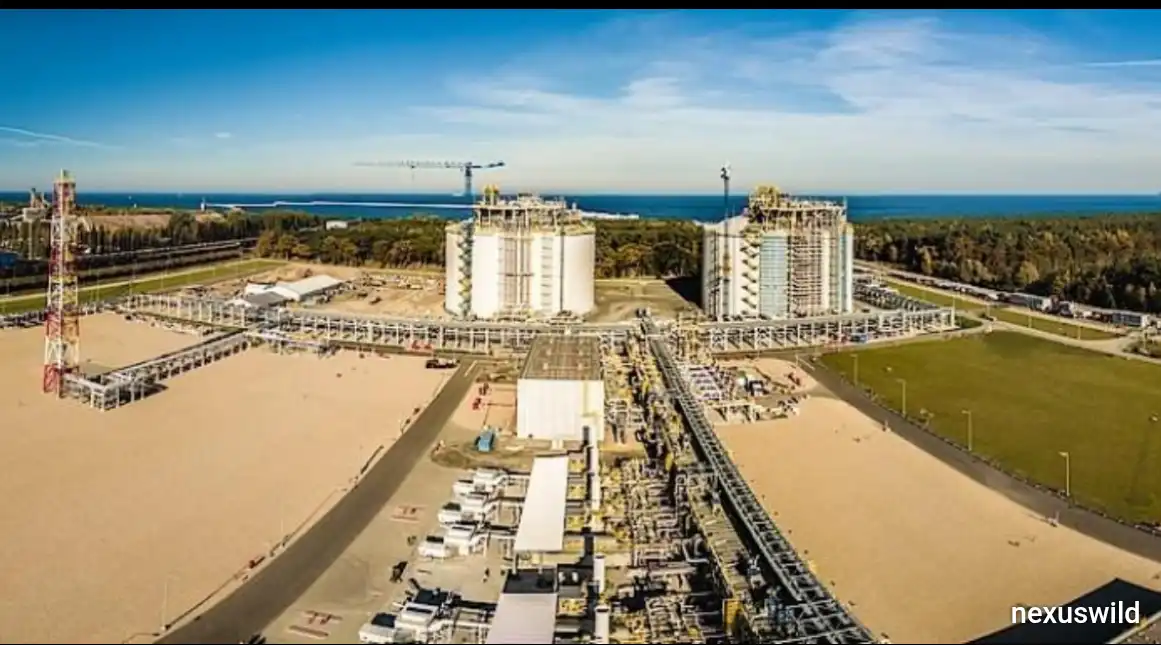
At the same time, Europe's ability to import LNG, its broader supplier network and lower gas demand than before the 2022 crisis provide important safeguards. The European Commission has said the gas system is sufficiently flexible to meet winter demand, while warning that maintaining adequate inventories remains important if colder weather increases consumption. <Cite refs={["turn572362search15","turn572362news6"]}/>
The next developments to watch include the outcome of discussions on network charges, any further steps to support refinery output and diesel availability, and the evolution of gas prices and storage levels as winter progresses. The Council meeting itself does not establish that a comprehensive emergency energy-price package has been adopted.
For households and businesses, the immediate concern remains the cost of energy. For policymakers, the challenge is to limit the effects of volatile global markets without undermining supply security, investment or the longer-term transition of Europe's energy system.
Nexuswild welcomes factual corrections. Email contact@nexuswild.com with evidence and the article URL.