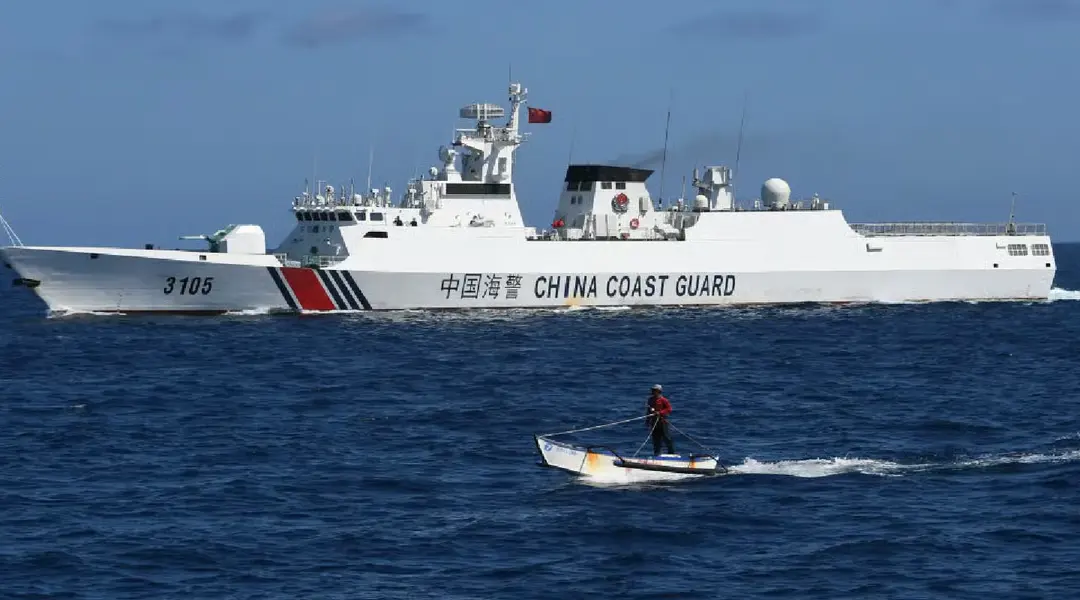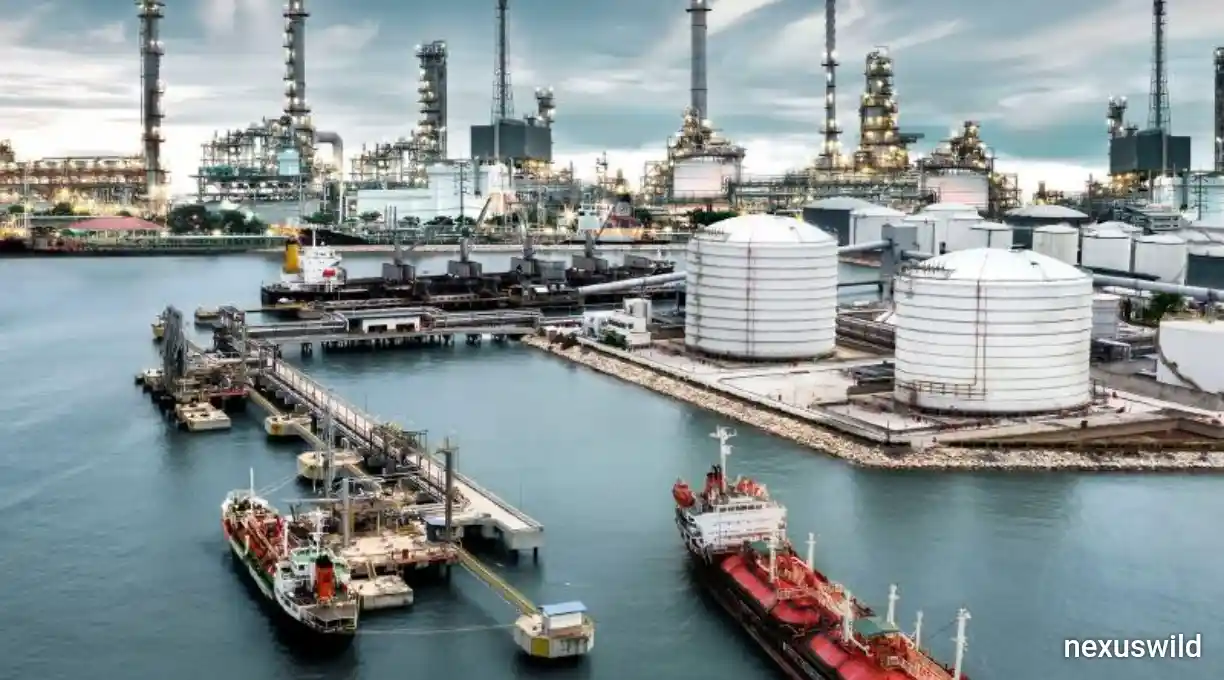

Shells from the pre-war days are unlikely to return to global energy markets in 2027, International Energy Agency (IEA) Executive Director Fatih Birol pointed out Oct. 26, with conflict-related turmoil continuing to plague oil supplies, refined products and natural gas markets.
In his keynote speech at Singapore International Energy Week, Birol stated that he sees no realistic way for the markets to get back to previous conditions next year. His comments come amid ongoing turmoil in Iran that has created trouble with energy supply and made countries reliant on importation of fuel materials more expensive.
It is the warning as governments and businesses prepare for uncertainty regarding energy prices, availability of fuel and impact on the economy should the disruption be prolonged.
Crude oil prices continue to be high.
Late last week, Brent crude futures spiked up to around $117 a barrel before pulling back to about $115 on Oct. 26. The benchmark, which is also far higher than its pre-conflict high, is a sign of worries over sources of global supplies.
The recent price fluctuations highlight the impact of geopolitical events on energy markets in a rapid pace. During a trading session, if the price comes down, but there is a fear of production, transportation, and export capacity, the market participants will remain cautious.
Rising oil prices can impact more than just how much it costs to fill up cars and trucks or buy gas. Crude oil is a primary ingredient used in the production of transportation fuels, as well as in the production of many industrial products and petrochemicals. If energy prices continue to be high, companies could end up with higher operating costs and some of this potentially will be passed on to consumers.
Oil prices nearing $120 per barrel already put some strain on the trade balances of energy importing economies, Birol added. Those countries that heavily depend on imported crude and petroleum products are likely to have to spend more foreign currency to keep the energy supplies going.
The long-term economic consequences will be determined by the length of time that prices stay high, the extent of supply disruption and governments' and companies' capacity to respond.
Additional pressure on winter diesel supplies.Extra strains on winter diesel supplies.
As the Northern Hemisphere enters the winter months, another issue for consideration is the availability of diesel. There is often a seasonal increase in demand for heating fuels in certain markets and during periods of scheduled maintenance at the refinery the supply of fuel may be cut short.
Diesel is also used for freight transport and for agriculture, construction and industrial use. This can then ripple down supply chains, impacting on supply of goods and production costs.
Pressure on middle distillates markets, such as diesel and gasoil, was a theme for IEA in the past. The Oil Market Report, released by it on October 2026, highlighted reduced inventories and limited supplies as key risks to look out for during the winter season.
The report also pointed out constraints affecting exports and refinery operations have reduced refined product availability. A further increase in refinery capacity might help to re-establish balances in 2027, but it is not clear whether and by how much the recovery will be.
The main concern of businesses isn't just the cost of crude oil. Finished fuel supply, pricing and refining capacity are just some of the factors that can impact the price and reliability of diesel supplies.
The supply of gas to Europe is also in doubt.
European gas markets are confronted with other difficulties. The region has become more gas independent with the contraction of Russian gas supplies and disruptions to Middle East gas exports also have put pressure on international markets.
The liquid form of natural gas is liquefied natural gas (LNG) and may be shipped to importing countries. But the supply of LNG relies on the availability of LNG production plants, export pipelines, shipping and willingness of competing buyers.
During periods of a fall in export volumes, importing countries might need to become more competitive for the cargoes available. This may lead to higher costs and a risk to countries of abrupt shifts in global supply and demand.
The challenge for Europe is to ensure sufficient gas supplies while controlling prices and forecasting gas demand for the season. This will depend on levels of storage, weather conditions, availability of alternative supplies and the extent and length of export disruptions.
It also highlights aspects of the regional energy markets. A price shock from one large exporting area may have repercussions on prices and export decisions in nations off the battlefield.
Energy Security is on the rise on the Policy Agenda.
Birol called on the governments and businesses to make energy security a major priority. The warning also reiterates the importance of understanding the nature of the reliance of national economies on specific suppliers, fuels and transport corridors.
Diversification of energy sources could help minimize the dependency on any single source. Governments can further enhance emergency stocks and mitigate exposure to external shocks through better infrastructure and other measures to encourage more efficient use of energy.
These, however, are plans and investments that need to be made. An immediate disruption can be hard to be replaced with new infrastructure, alter a national energy system or get alternative supply contracts.
Businesses also may have to rethink how they procure energy. While none of these plans can completely mitigate market risk, longer term supply contracts, increased efficiency and contingency plans can help organisations deal with the volatility.
Nuclear Power is back in the energy debate.Back in the energy debate is nuclear power.
Along with the renewed interest in nuclear power, countries are rethinking their energy supply options, Birol noted. Nuclear power can generate a significant amount of electricity with relatively low carbon emissions, without being reliant on fossil fuels that are constantly imported.
As reported, IEA chief said that around 90 gigawatts of nuclear power are currently being built around the world, the highest number in 40 years.
The acceptance of nuclear is different in different countries and there may be significant financial, construction, regulatory and waste management hurdles. New reactors typically require several years to develop and nuclear investment is therefore an investment in a long-term solution to oil and gas shortages – not a short-term solution.
Other solutions under consideration include renewable energy, upgrades to the grid, storage solutions and energy efficiency. This will vary by country based on the current infrastructure, resource availability, cost and energy needs.
Here are a few things to keep your eye on in 2027.
Global energy markets will be influenced by events in the conflict, as well as the re-establishment of disrupted supply routes, refinery production levels and availability of natural gas and refined products.
The oil price will continue to be a sensitive to production and transportation risk. The level of inventories, refinery maintenance and seasonal demand will affect diesel markets; gas prices in Europe, in part, will be affected by the availability of LNG, storage levels and weather.
Nexuswild welcomes factual corrections. Email contact@nexuswild.com with evidence and the article URL.