
Indian Companies Add More Than ₹11,000 Crore in New Orders
Indian companies working in defence electronics, infrastructure, power transmission and energy have received than ₹11,000 crore in new contracts. This helps their project plans. Gives a better idea of future business for the 2026-27 financial year.
The latest contracts include deals won by Welspun Corp, Kalpataru Projects International, Bharat Electronics Limited (BEL) Larsen & Toubro (L&T) and Transrail Lighting. These deals cover infrastructure, defence products, electricity transmission and overseas energy projects.
A report from The Financial Express on October 24 2026 said the total value of the deals is over ₹11,000 crore. The new contracts show demand across areas not just one part of the industry.
India keeps spending on electricity networks, public buildings, military strength and big industrial projects. International deals are also helping Indian companies grow abroad.
New contracts do not always mean quick profits. The money depends on how the projects are done, when they are finished how much they cost and if the companies meet all the rules.
Source: Financial Express, October 24 2026
Welspun Corp Gets ₹5,500 Crore US Pipeline Deal
Welspun Corp has a big role in the new deals. Its US company, Welspun Tubular LLC got a contract about ₹5,500 crore to make coated pipes for a gas pipeline in the United States.
The pipeline will help a global company that runs data centres. The deal connects energy projects with the need for computing power and digital services.
Data centres need lots of energy to run servers, cooling systems and other important parts. As AI and cloud computing grow the energy needed for these places becomes more important. Natural gas can be part of the energy mix. How it works depends on the project.
For Welspun Corp the deal makes it stronger in the pipe market. The company makes products used in moving energy like pipes that need coatings.
The deal brings Welspun Corps international orders to about $5.25 billion, which is around ₹50,000 crore according to the report.
A bigger order book can help a company plan for the future. It helps with production, hiring and buying materials.. Investors and experts will need to look at the schedule, profits and costs of the deal.
Kalpataru Projects International Gets ₹2,349 Crore in New Orders
Kalpataru Projects International has contracts worth about ₹2,349 crore in power transmission and buildings. These contracts add to the companys project plans.
Power projects are important for moving electricity from power plants to homes. As more energy is. More renewable sources are added, the need for better transmission grows.
These projects involve steps like building, buying equipment and working with others. They can be complex. Involve many people.
Kalpataru Projects International also builds factories and offices. This shows the need for places for businesses and industry.
The companys order inflows for 2026-27 are over ₹22,000 crore. This shows that the new contracts are part of a picture of new business.
For a company in construction getting more orders helps plan for work.. How fast the orders become money depends on when the projects start and when payments are made.
Bharat Electronics Gets ₹1,011 Crore in Defence Contracts
Bharat Electronics Limited, a government-owned company has contracts worth ₹1,011 crore. These are from after their update on October 13 2026.
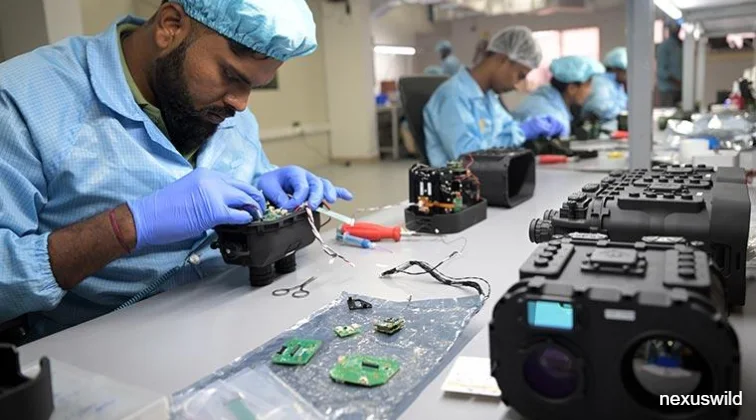
The contracts include radar, communication, sonar and other equipment. These items are used in ways by the military.
Radar helps find objects communication lets soldiers talk sonar finds things underwater and jamming stops signals. These items are important for work.
Bharat Electronics also has to fix and update these systems. This shows that buying equipment is not the end of the process.
The new contracts help the companys business. Show its role in military projects. The company works in a field where projects can take years to finish.
The value of a contract is one part but when it is done how well it is made and if it can handle work are also important.
Larsen & Toubro Gets Big Construction Deals
Larsen & Toubro has two construction deals. One is for government buildings in New Delhi and the other is for office towers in Amaravati, Andhra Pradesh.
The New Delhi buildings are part of the Central Secretariat. They are about 32.8 lakh square feet and will take 24 months to build plus five years of maintenance.
The Amaravati towers are 47 floors each 37.5 lakh square feet and will take 30 months to finish.
L&T says the contracts are worth between ₹1,000 crore and ₹2,500 crore. The exact numbers are not given.
These deals show the need for public projects. Building government offices needs a lot of planning. Work with many people.
The projects are in places. One is in an area and the other is part of a new city plan.
For L&T the deals add to its work. Help it use its skills in building and managing projects.
Big buildings can have problems with costs, workers and delays. Meeting the time and money plans is important for profits.
Transrail Lighting Gets ₹927 Crore in Power Projects
Transrail Lighting has contracts worth ₹927 crore. These are for power lines in India and cables for the US.
High-voltage power lines are important for moving energy distances. They help connect power plants with cities and areas that need electricity.
These projects are important as more energy is used and clean energy is added. Solar and wind power is often far from where people live. The grid needs to be strong.
The 765 kV and 400 kV projects are part of this. But how money they bring in depends on when they are done.
After these deals Transrails orders for the year are at ₹3,356 crore. The company also got than ₹2,300 crore in orders in the past three weeks.
These projects help with work for engineers and building parts.. Managing money and finishing on time is important for companies in big projects.
Why These Deals Matter to Indias Economy
The new deals are important because they cover parts of the economy.
Defence deals support the military. Construction helps build offices and buildings. Power projects make the electricity grid better. International deals help Indian companies grow abroad.
Together they show how government money, private demand and overseas projects create chances for businesses.
1. More clarity, on work
A bigger order book gives companies a better idea of what they will do next. This helps with planning, hiring and buying supplies.
An order book is not a promise of profit. Each deal has profits, time and payment plans.
2. Support for manufacturing
Defence electronics and infrastructure projects create demand for engineering, manufacturing, equipment supply and technical services. Domestic companies may benefit from opportunities to build capabilities and develop relationships with major customers.
The extent of the benefit depends on the proportion of work performed domestically component sourcing requirements and the availability of suppliers.
3. Stronger electricity infrastructure
Power transmission contracts are relevant to Indias electricity requirements. New transmission capacity can help connect generating facilities with users and support the movement of electricity across the grid.
The need for electricity infrastructure is particularly relevant as industrial activity, urban development and digital services expand.
4. International business opportunities
Welspun Corps US pipeline order and Transrail Lightings conductor supply business demonstrate that Indian companies can also win work beyond the market.
International orders can diversify a companys customer base. They may introduce additional challenges involving currency movements, overseas regulations, logistics, local competition and compliance requirements.
Order Book Growth Does Not Automatically Mean Higher Profits
Although the latest order announcements provide a signal about business activity investors should distinguish between order inflows, revenue and earnings.
An order is a commitment to supply goods or services under terms. Revenue is generally recognised as the relevant performance obligations are fulfilled under accounting standards. Profit depends on the revenue earned and the costs required to deliver the contract.
For example a construction company may win a contract but face higher-than-expected steel, cement, labour or financing costs. If these costs are not adequately controlled or covered by the contract terms the profit margin may be lower than expected.
Manufacturers may face risks, including raw-material price volatility, production bottlenecks, delays in customer approvals and changes in delivery schedules.
Defence contractors can also operate under technical and acceptance requirements. Equipment may need to pass inspections or trials before a customer accepts delivery and makes the corresponding payment.
Another important factor is working capital. Companies may have to pay suppliers and employees before receiving milestone payments from customers. As the number of active projects increases this can create financing requirements.
Investors should therefore examine not the headline value of new orders but also operating cash flow, debt, receivables, execution schedules and historical profit margins.
What Investors and Industry Observers Should Monitor
The latest order wins provide indicators worth following over the coming quarters.
Order conversion: Watch whether the companies begin executing projects on schedule and convert their announced contracts into reported revenue.
Profit margins: Assess whether new contracts generate returns after accounting for materials, labour, logistics, financing and other project costs.
Cash flow: Large orders can require upfront expenditure. Operating cash flow and payment collection can help show whether growth is financially manageable.
Customer concentration: Companies that depend heavily on a number of customers may face greater risks if procurement decisions or payment schedules change.
Future order inflows: A strong order book is more sustainable when companies continue winning business while delivering existing projects.
International exposure: Overseas contracts can create growth opportunities. Also require careful management of foreign exchange, regulatory and geopolitical risks.
Share-price performance may not follow order announcements in a way. Market expectations, company valuations, broader economic conditions and anticipated margins can all influence how investors respond.
An order announcement should therefore be viewed as one piece of information than a standalone reason to buy or sell a stock.
##
Indian defence and infrastructure companies have secured than ₹11,000 crore in reported new orders across defence electronics, public construction, power transmission and energy infrastructure. Welspun Corps ₹5,500 crore US pipeline contract, Kalpataru Projects Internationals approximately ₹2,349 crore order wins BELs ₹1,011 crore defence orders, L&Ts major building contracts and Transrail Lightings ₹927 crore power transmission orders highlight the range of opportunities to Indian engineering and industrial businesses.
The announcements provide visibility into future workloads and reflect demand across both domestic and international markets. They also demonstrate how defence procurement, electricity infrastructure and large construction projects contribute to the industrial ecosystem.
The longer-term impact will depend on execution. Companies must deliver projects on schedule manage costs maintain cash flows and fulfil customer requirements to turn new contracts into sustainable financial performance.
For Indias sector the latest order wins represent an encouraging indicator of business activity. Whether they lead to earnings will become clearer as the companies report their progress, over the coming quarters.
Nexuswild welcomes factual corrections. Email contact@nexuswild.com with evidence and the article URL.