
Surveys show manufacturers intend to spend more on automation and smart factories, and factory activity has been strong. Yet official construction data show spending on new factory buildings has fallen from its peak, and managers cite high equipment prices and policy uncertainty. The evidence supports rising investment intentions more than rising investment.
Intentions point up
The Federal Reserve Bank of Philadelphia's October 2026 survey of manufacturers in its region asked about capital spending plans. About 52 percent of firms expect higher total capital spending in 2027 than in 2026, and none expect lower spending, the bank reported. A year earlier, 36 percent expected an increase and 19 percent a decrease. Non-computer equipment had the strongest outlook, followed by software and computer hardware. Energy-saving investments were the weakest category. The survey covers one regional Fed district, and the bank did not report a current-month capital spending reading.
A Manufacturing Leadership Council survey published in January found more than 90 percent of respondents expect to maintain or raise smart factory investment in 2026, with 60 percent planning an increase. Its priorities were operational efficiency (59 percent), speed and flexibility (50 percent) and cost reduction (47 percent). The council is a membership group that promotes smart manufacturing, the article did not disclose the sample size, and responses are self-reported, so the figures should be read as indicative. The same survey noted that 48 percent reported a moderate or significant negative tariff impact on implementation.
Factory activity is strong
The Institute for Supply Management's manufacturing index rose to 55.5 in October from 54.5 in September, the tenth straight month of expansion. Its production index reached 59.0, the highest since November 2021, and new orders were 55.5. Prices stayed high at 75.2, meaning input costs are still rising.
But the buildings are not going up
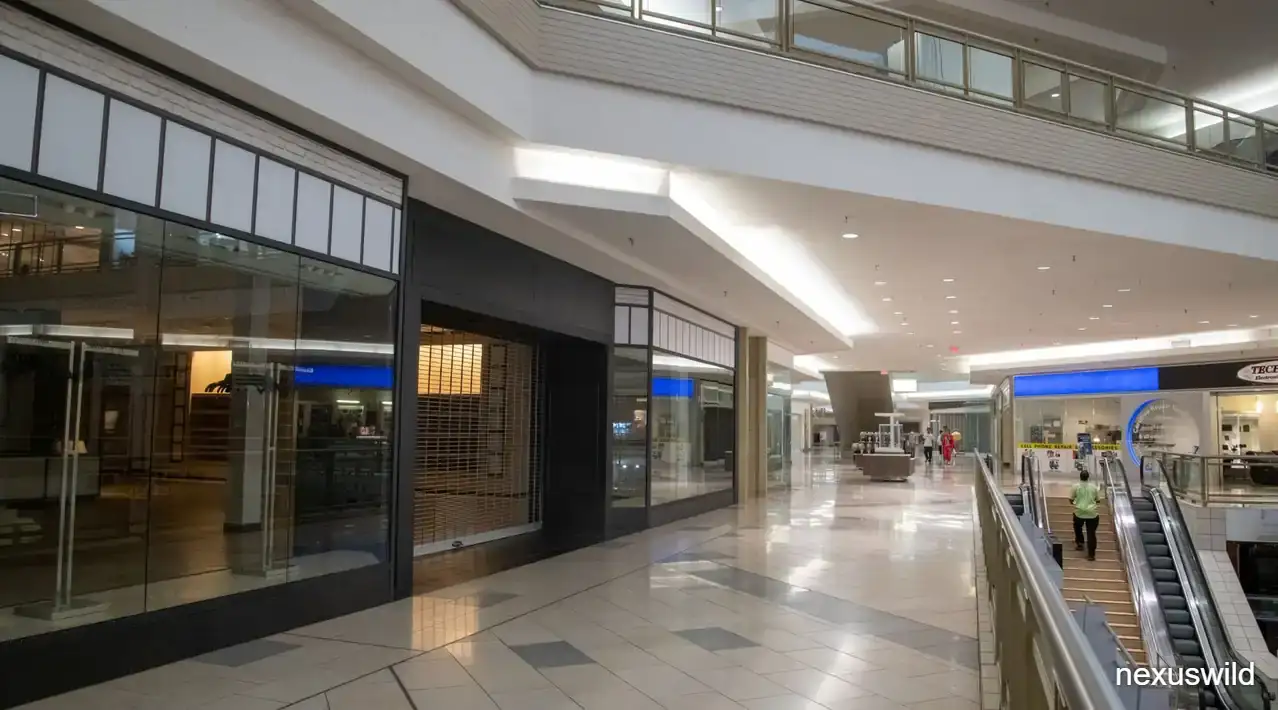
Actual construction tells a different story. Census data, relayed by GlobeSt through the St. Louis Fed, show manufacturing construction spending peaked in August 2024 and had fallen about 22.7 percent by April 2026. The same article cited the Financial Times as reporting that 84 manufacturers had announced more than $900 billion of construction plans, while real factory construction spending was falling. Announced plans are not completed spending, and GlobeSt cautioned that data centers and software are classified outside manufacturing, which may make the decline harder to measure. The units in that article's figures were not consistent, so we cite only the percentage change.
The ISM's own respondents sound cautious. One transportation equipment manufacturer said customers were "gobsmacked by the high price of equipment," with only "tentative talk of 2027 purchases". A computer and electronics respondent said customers were optimising existing tools amid midterm election uncertainty. Average lead time for capital expenditure commitments was 175 days. Sentiment in the comments was 34 percent positive and 66 percent negative, a third straight monthly decline, citing pricing volatility, tariffs and the Iran war.
Why output can rise without new buildings
S&P Global's Chris Williamson said recent output growth was largely driven by stockpiling over fears of shortages and higher prices, not underlying strength: "It isn't reflecting the true health of the manufacturing economy." GlobeSt also noted that automation and advanced manufacturing let companies sustain output with fewer workers and buildings, though that is the article's interpretation. Manufacturing employed 12.6 million people in May 2026, only modestly above the 2020 trough.
What counts as "advanced" investment
The categories that appear strongest in the surveys are equipment, software and automation, not new floor space. In the MLC survey, vision systems (76 percent) and machine learning (66 percent) were in active use, and 39 percent said AI would have a very significant impact on production. Obstacles included legacy equipment (47 percent), data interoperability (37 percent) and a shortage of skilled employees (36 percent). A manufacturer can raise investment in advanced production without building a single new plant.
What to watch
- Whether the Philadelphia Fed's 2027 intentions turn into orders for equipment.
- Whether Census factory construction data stabilise after falling for roughly 20 months.
- Whether tariff and election uncertainty ease, or equipment prices fall.
Bottom line
Manufacturers say they plan to invest more in advanced production, and activity is strong. But measured spending on factory buildings has fallen, and the plans still depend on prices and policy. The next few quarters of equipment orders and construction data will show which story prevails.
Nexuswild welcomes factual corrections. Email contact@nexuswild.com with evidence and the article URL.