
Saudi Arabia and Singapore are set to launch a crude oil storage deal at Singapore's Jurong Rock Caverns, which is expected to start in the second half of 2027. Its goal is to enhance Singapore's energy security and increase the flexibility of Saudi crude supplies to Asian markets.
This was announced on 26 October 2026, at Singapore International Energy Week. The proposed plan involves Saudi Aramco, the Singaporean energy authority (EMA) and the JTC Corporation and is meant to facilitate the storage of Saudi crude oil in Singapore.
What was the Agreement about and why did it matter?
Singapore is an important energy trading, refining and petrochemical hub in Asia. It is an important centre for transport of crude oil and petroleum products through regional markets; due to its geographical position and industrial infrastructure.
How Saudi crude is stored in Singapore could enable the Saudi Aramco to adapt better to demand from regional buyers. The proximity of oil to Asian refining hubs could enable the company to remain more efficient in managing deliveries and adapt to market shifts.
The deal is meant to give Singapore another tool in its toolbox to deal with potential oil supply disruptions. In the event of emergency access to stored crude may be of benefit in terms of supply flexibility, the benefits to be gained from the final agreement and its operating conditions will be determined.
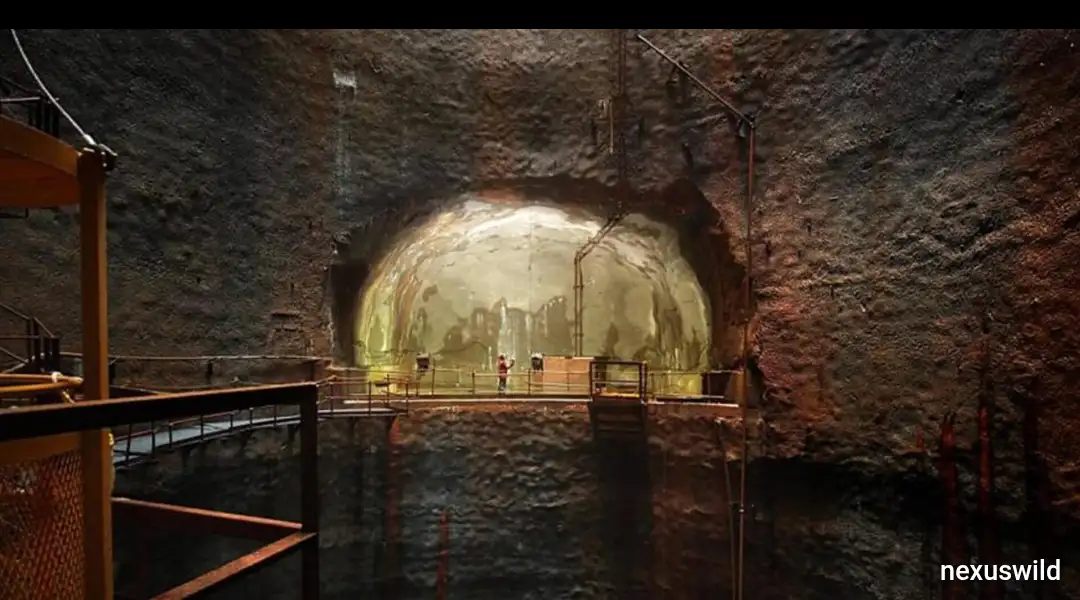
The Jurong Rock Caverns are located within the rock.
Jurong Rock Caverns is an underground facility for storage of liquid hydrocarbons in Jurong Island in Singapore. The facility is about 150 metres beneath the ground with an overall capacity of about 1.47 million cubic metres, or nine million barrels of liquid hydrocarbons.
The caverns were carved out for storage capacity for energy-related products, as well as to use the limited land in Singapore more efficiently. Their underground configuration facilitates the greater industrial energy activities and the infrastructure on the island.
But the capacity of the facility isn't the same as the amount of storage that Saudi Arabia plans to store. The announced deal does not confirm that Saudi Aramco will be utilizing the full capacity. The exact volume to be stored and the commercial conditions and how the capacity would be split up are not made public.
It is very strategic for Asian energy markets.
Proposed arrangement brings attention to the critical nature of energy supply chain resilience in energy import-dependent countries. Oil supply, international delivery timetables and prices may be impacted by geopolitical factors, shipping events and production changes.
Saudi Arabia would have more flexibility in the distribution of the crude in the region if it was stored closer to Southeast Asian customers. Singapore may also be able to play a larger role as an energy trading and storage hub.
Saudi Arabia already has oil stockpiles in other Asian markets, such as Japan and South Korea, according to previous reports. The proposed Singapore deal would expand its regional storage network and offer a second site to handle the management of crude for customers in Asia.
But even storage doesn't ensure constant supply or a stable price. It would rely on the amount of crude it stores, the rules for crude access and on logistics and the availability of oil if a disruption occurs.
What Happens Next?
The final phase will be to complete the operational and commercial agreements between the participating organisations. Items of particular interest are the total storage space, access restrictions, the commercial organization, and the confirmation of the time frame in which the program will be implemented.
They aim to open for business in the second half of 2027. The project will not be considered as a storage program in operation until the detailed arrangements are in place.
The deal would enhance the energy relations between Saudi Arabia and Singapore, and provide flexibility in the regional oil supply chain if progressed as planned. Its long-term effects will be contingent upon the utilization of the facility and whether it can assist both parties in adapting to shifting energy-market realities.
Nexuswild welcomes factual corrections. Email contact@nexuswild.com with evidence and the article URL.