
Asian stock markets faced pressure on Tuesday, November 3 when investors looked again at the money returns expected from spending on artificial intelligence infrastructure. Technology‑heavy markets in South Korea and Taiwan saw some of the falls in the region showing more caution about semiconductor and other AI‑linked stocks.
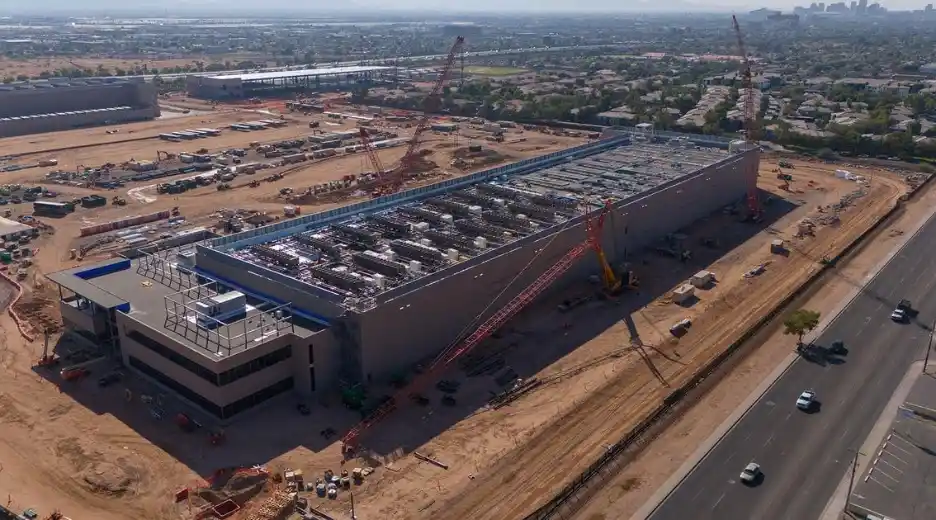
The market weakness came after a selloff in U.S. Technology shares. As investors focused more on the cost of building and running AI infrastructure. Big technology companies spend a lot on data centers, computing power and related equipment. Investors now ask whether the revenue growth and future cash can justify those commitments.
South Korea and Taiwan are under pressure.
South Korea’s benchmark KOSPI and Taiwan’s TAIEX were hit hard by the downturn. Reuters said the KOSPI fell much as 4.1% during the day while Taiwan’s benchmark dropped 3.3%. The same report added that China’s market slid 1.4%.
An Associated Press snapshot recorded a 2.5% drop in South Korea’s KOSPI and a 0.9% fall in Taiwan’s TAIEX. These numbers show readings at times so they are intraday snapshots, not final closing results.
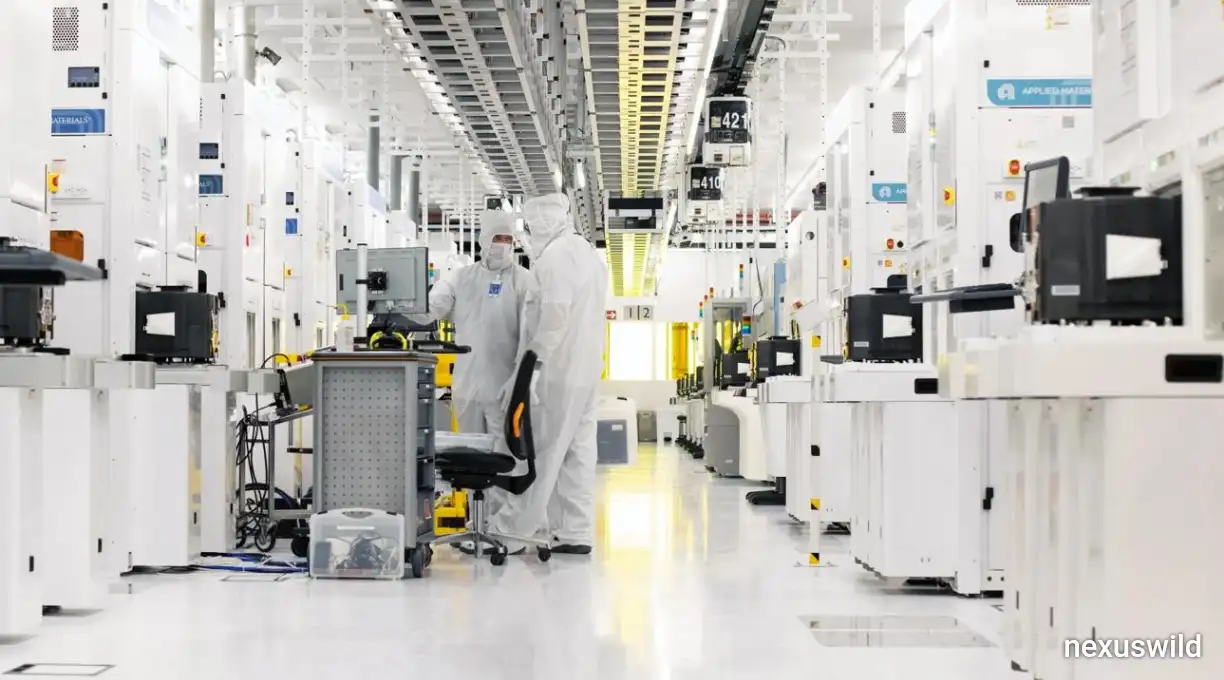
South Korea and Taiwan are heavily involved in the semiconductor cycle. Their listed companies include memory‑chip makers, foundry operators and other technology suppliers that have benefited from AI computing demand.
When investors feel less sure about the speed or profit of AI infrastructure expansion shares across the supply chain can face selling pressure. The market reaction does not mean that demand for chips or AI services has collapsed. Instead it can show changing expectations about earnings, costs and the prices investors are willing to pay for growth.
AI investment returns are under scrutiny.
The main concern for investors is whether the money value created by AI services will cover the cost of building and running AI infrastructure.
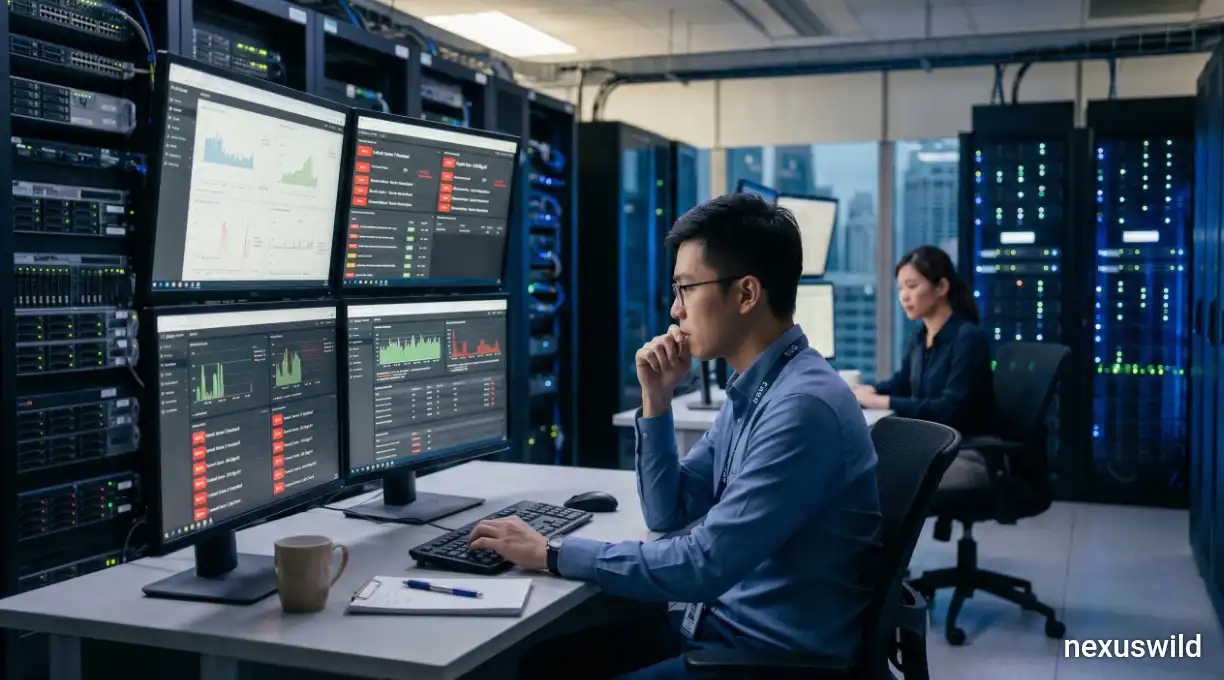
Building AI capacity needs spending on processors, memory, networking gear, data‑centre construction and electricity. These investments may support growth but they also put pressure on short‑term cash flow and force companies to prove that the capacity will bring lasting returns.
Investors are therefore looking beyond headline spending figures. They examine revenue growth, operating margins, cash flow, financing needs and the expected timeline for investment payback.
A company can report demand for its products while still facing questions about the profitability of the broader infrastructure cycle. This distinction matters for semiconductor suppliers: continued AI demand may support sales but share prices can still fall if investors think valuations already reflect optimistic expectations.
Global. Capital flows.
The Asian selloff was part of a period of market uncertainty. Reuters said regional shares fell as investors weighed technology earnings and the sustainability of AI‑related spending. The report also noted that U.S. Treasury yields rose, with the 10‑year yield reaching 4.913% in the snapshot.
Oil prices moved differently than the briefing said. Reuters reported Brent crude up about 0.5% at $105.30 per barrel in its snapshot not easing to that level. Oil prices can affect the cost outlook for energy‑intensive data‑centre operations. The market move alone does not prove that energy costs were the immediate driver of the equity selloff.
What the market reaction could mean for chip suppliers.
The pressure on semiconductor shares shows how technology valuations react to expectations about spending. Chipmakers, foundries and hardware suppliers can benefit from AI infrastructure expansion. Their results remain tied to customer investment decisions, supply limits, product mix and pricing. If hyperscalers slow or reorganise spending suppliers may face changes in order visibility and revenue expectations.
That does not mean all AI‑linked companies will be affected the way. Firms with customers, stronger balance sheets or products serving several markets may have different risk profiles than companies heavily dependent, on a narrow set of AI infrastructure customers.
The current market reaction is better seen as a reassessment of risk and valuation not proof that AI investment has reached a turning point.
What investors will watch next.
I see Investors looking closely at earnings reports, guidance on capital spending and statements about how AI services turn into money and cash flow. Updates on data‑centre space, customer demand, chip supply and operating costs may shape expectations for the sector.
The key question is not how much companies spend on AI infrastructure but whether that spending can bring back returns fast enough to justify current valuations.
For markets this difference matters because semiconductor and technology companies now drive investor expectations. I think ongoing AI demand may stay a long‑term growth engine. Short‑term share prices react to uncertainty about costs, earnings and investment payback.
Tuesday’s declines show that Investors are getting more selective, about the AI trade. I believe future market direction may rely less on the size of investment announcements and more on proof that the infrastructure build‑out delivers lasting returns.
Nexuswild welcomes factual corrections. Email contact@nexuswild.com with evidence and the article URL.