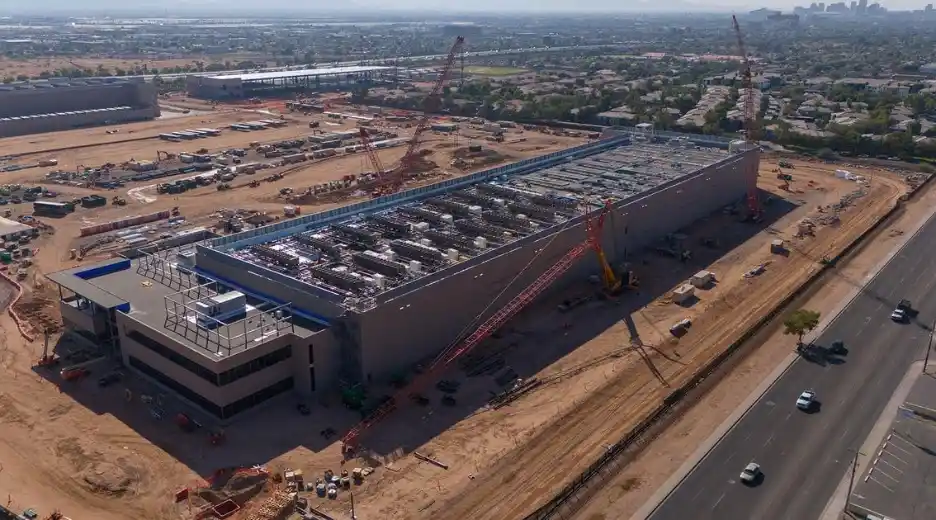

Britain is seeing a rising need for intelligence computing. This trend is opening chances for energy firms and infrastructure investors. A big partnership between Drax Group, Brookfield and Radiant an AI infrastructure platform plans to transform a power plant in North Yorkshire into a large data centre.
The announcement came on 3 November 2026. The deal aims for over one gigawatt of data centre capacity at Drax Power Station. Brookfield says the whole project could bring in than £20 billion with an initial £2.5 billion for the first phase.
The partnership merges three strengths. Drax offers Draxs site, power lines and power plant. Brookfield will provide money via Brookfields venture with Qatar-based Qai. Radiant will head the design and running of the AI infrastructure.
This project shows that people are looking for sites that have land, reliable power and the tools needed for advanced computing.
For Drax the development could give a business chance for Draxs North Yorkshire site. For Brookfield and Radiant it offers a path into Britain’s growing AI infrastructure market.
The money figure shows how big the whole development could be. It does not mean that the entire amount will be spent away. Building and expanding will rely on approvals, deals and investment choices.
A Three-Phase Development Targeting Than 1GW
The plan will build the data centre in stages not all at once.
The first phase aims for up to 100 MW of computing power. It should start use in the first quarter of 2028. This phase will pull electricity from the grid using the existing lines at Drax.
The second phase plans to add 500 MW between 2028 and 2031. It will look at using Drax’s power plant to feed the data centre directly with a behind‑the‑meter setup and a long‑term power purchase agreement.
A third phase might add capacity after 2031 so the whole project could exceed one gigawatt.
The first phase costs about £2.5 billion. The whole project could cost than £20 billion, which also covers chips and other parts.
That difference matters because building the data centre is one part of the bill. High‑end AI sites also need computers, networking gear, cooling units and other tech.
The project should start planning and talks soon. The first phase still needs permission, regulatory checks, network approvals, a good anchor tenant and final money decisions from the partners.
Why Drax Power Station Is a Location
Where the project sits is a big part of its business plan.
Drax Power Station sits on about 1,000 acres. Can tap a 4 GW grid line. The plant can produce 2.6 GW of power on demand. Already has cooling and industrial tools.
These features can cut down on problems that come with building a big data centre at a new spot.
AI sites need steady power because fancy processors use a lot of electricity when learning and running AI models. Good grid access is one of the things to think about when picking a data centre spot.
The site also links to Britain’s fibre network, which's key for sending data between computers, firms and people.
For Drax the partnership could give a long‑term business use for Draxs industrial plant. Drax has run the power station for, over fifty years. The new project lets Drax mix its energy tools with the growing world.
The first phase will still use grid power. Using Drax’s power more directly is planned for later stages and still needs approval and deals.
Brookfield and Qatars Qai Bring Investment Strength
Brookfield’s role gives a money part to the partnership.
Money comes from the Brookfield‑Qai venture. That venture mixes Brookfield’s investment and operating skills with Qai’s global AI goals.
Radiant, the AI platform owned by Brookfield will head the design, customer work and business growth of the data centre.
Drax will concentrate on land, power connection and planning. Brookfield and Brookfields partners will give money help and infrastructure know‑how.
This division of responsibilities is intended to bring the specialised capabilities required for a project of this scale.
Radiant will also need to secure anchor customers before construction begins. Large AI facilities require long‑term demand commitments to support their development and operating costs.
The partnership reflects an investment trend in which infrastructure funds are financing assets that support the digital economy, including data centres, fibre networks and energy systems.
Britains AI Ambitions Create Opportunities for Data Centres
The announcement comes shortly after the UK government introduced its Data Centre Covenant on October 28 2026.
The policy aims to encourage investment in important data centres by addressing barriers involving electricity connections, planning and infrastructure delivery.
The government estimates that Britain will require 6GW of AI data centre capacity by 2030 to strengthen domestic computing capabilities and reduce dependence on overseas infrastructure.
The proposed Drax development could contribute to this ambition by providing computing capacity within the country.
Domestic data centres are important for than commercial technology services. They can support businesses, research institutions and public‑sector organisations that require computing infrastructure.
The government also wants important developments to demonstrate benefits for local communities create British jobs use energy and water efficiently and strengthen national security.
These conditions will be relevant to the Drax project as it progresses through planning and regulatory reviews.
Jobs, Energy Security and Environmental Questions
The project could provide benefits for North Yorkshire by supporting construction activity, specialist employment and additional investment in the surrounding economy.
Drax has said the development could help protect hundreds of existing jobs and support employment. The partners also expect to establish a voluntary community benefits fund in consultation with communities.
However these benefits will depend on whether the project proceeds through its proposed stages.
Energy consumption and environmental performance will also remain considerations. Large AI data centres require electricity and cooling resources placing greater importance on efficient power use, water management and reliable infrastructure.
Draxs power station primarily operates using biomass. Has a government contract covering all four biomass units from April 2027 to March 2031. The proposed use of its generation capacity for data centre customers during this period will require agreement under the arrangements.
The environmental credentials of biomass generation have faced scrutiny, around emissions accounting and the sustainability of fuel sourcing. The data centre proposal will therefore need to demonstrate how its electricity supply, water use and environmental impacts meet government expectations.
The projects later phases may offer a commercial use for Draxs generation capabilities but they will need to balance data centre demand with wider electricity system requirements.
Conclusion
The partnership between Drax, Brookfield and Radiant represents a proposed investment in Britains AI infrastructure market. With investment exceeding £20 billion and planned computing capacity of more than 1GW the development could become one of the countrys largest data centre projects.
Its location at Drax Power Station offers access to existing land, electricity connections and industrial infrastructure while Brookfields financial backing and Radiants technical expertise provide capabilities.
However the project remains at a stage. Planning permission, regulatory approvals, customer commitments and final investment decisions will determine how quickly it can progress.
The wider significance is that Britains AI ambitions are increasingly connecting the technology and energy industries. As demand for computing grows, locations with electricity established infrastructure and access to investment capital may become important centres of future economic activity.
For Drax the project offers a new direction, for its historic power station. For Britain it represents an opportunity to expand AI capacity while attracting substantial private investment.
Nexuswild welcomes factual corrections. Email contact@nexuswild.com with evidence and the article URL.