
Australian Treasurer Jim Chalmers is urging middle-power economies to work closely together to protect trade, energy supplies and critical minerals networks from geopolitical disruption.
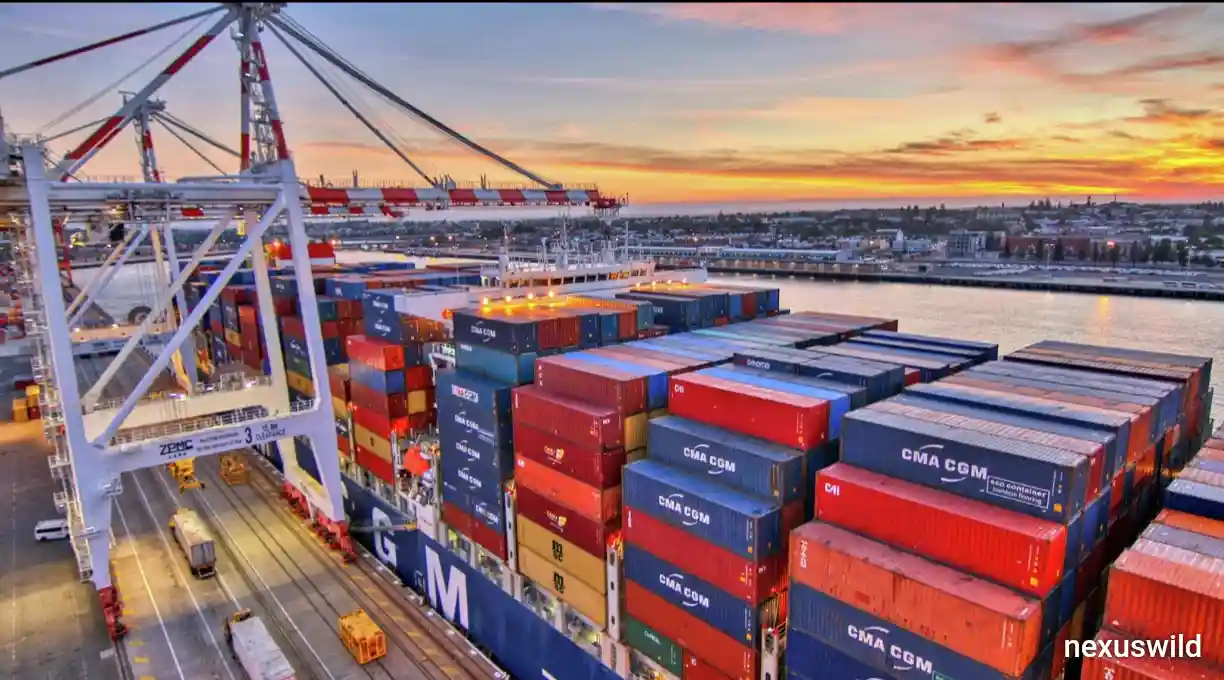
In comments reported on October 25 Chalmers argued that greater cooperation could help countries avoid becoming overly exposed to decisions or crises beyond countries control. Conflicts and disruptions to shipping routes have shown how instability in one region can affect fuel availability, prices and household costs elsewhere.
The approach reflects an effort by Australia and its partners to strengthen economic security without relying on a single source for strategically important materials. Critical minerals are a part of that effort because critical minerals are used in technologies ranging from batteries and renewable‑energy systems to semiconductors, advanced manufacturing and defence equipment.
Why Middle-Power Cooperation Matters
The term " powers" generally describes countries that are not the largest global powers but have meaningful economic, diplomatic or regional influence. Australia, Japan, Canada and several European and Indo‑Pacific economies are often discussed in this context.
Working together can give these countries options when supply chains are disrupted. These countries can coordinate investment, share information develop suppliers and establish commercial relationships that reduce dependence on a narrow group of producers.
The objective is not necessarily to end trade with suppliers. Rather it is to avoid concentration so that a disruption, export restriction or diplomatic dispute does not leave manufacturers with few practical alternatives.
Recent energy‑market shocks have reinforced the importance of this approach. Australia’s fuel security depends substantially on supply routes while manufacturers around the world rely on imported materials and components. Disruptions can raise transport and production costs, feed into inflation and complicate business planning.
Critical Minerals at the Centre of the Strategy
minerals have become a major focus of economic‑security policy because access to critical minerals affects a range of industrial and strategic capabilities.
Lithium is important for batteries while rare earth elements are used in products including permanent magnets, electronics and some clean‑energy technologies. Other minerals, such as gallium and antimony have applications in semiconductors, specialised manufacturing and defence‑related equipment.
Australia has mineral resources and is seeking to use Australia’s mining expertise to support more diversified supply chains.. Extracting raw materials is only one part of the process. Processing, refining, transport, energy access and long‑term purchase agreements are also essential to making alternative supply networks commercially dependable.
That is why governments are increasingly discussing support for processing and recycling alongside mining. Building capacity across stages of the supply chain can reduce bottlenecks and create additional sources of supply although new facilities often require substantial capital and time to develop.
Australia and Japan Deepen Economic Security Ties
One recent example is the Australia–Japan Finance Ministerial Dialogue established in October 2026. Australia and Japan governments agreed to increase cooperation on security and investment including in energy, fuel security, critical minerals, green industry and digital infrastructure.
The framework provides a channel for discussions about economic conditions and areas where Australia and Japan economies can work together. The framework does not by itself guarantee projects or eliminate supply risks but it creates a structure for coordinating priorities and investment.
Australia has also announced a Critical Minerals Strategic Reserve valued at A$1.2 billion. The initial focus includes antimony, gallium and rare earth elements. The initiative is intended to strengthen supply security and support Australia’s critical‑minerals ambitions.
These measures form part of an international effort to diversify critical‑mineral supply chains. The United States, Japan, Australia and India have also outlined cooperation through the Quad Critical Minerals Initiative, which aims to support investment in mining, processing and recycling.
Together these developments show that the policy response is moving beyond calls for resilience towards frameworks intended to encourage practical cooperation. However each initiative will still need to demonstrate how it translates into supply and commercially sustainable production.
The Economic and Business Implications
For businesses a diversified supply chain can reduce exposure to shortages and sudden price increases. Manufacturers may benefit from having access, to suppliers while mining and processing companies could see new investment interest if governments and customers seek to develop additional sources of critical minerals.
Potential opportunities may also emerge in recycling, refining, logistics, specialist equipment and technologies that use materials efficiently. Yet government support does not guarantee that every proposed project will be built or prove profitable.
New supply chains face constraints. Mining and processing projects can take years to finish. They need a lot of money. Often face environmental, infrastructure or permitting challenges. Alternative suppliers may start with production costs than established competitors, especially where existing producers benefit from economies of scale. These supply chain projects can take years to finish.
Governments must balance security goals with cost and efficiency. Diversifying supply chains can improve resilience. It needs reliable demand, realistic project economics and cooperation among participating countries.
Risks and Questions Ahead
Closer cooperation among powers will not erase the impact of geopolitical competition. Countries may still disagree over trade policy, investment rules, environmental standards and the allocation of funding. Supply chain projects can also become vulnerable if they rely on the transport routes, processing hubs or financial conditions.
Another challenge is to ensure that supply chain security does not become a reason for trade restrictions. Keeping reliable suppliers may give more flexibility than simply replacing one concentrated source with another.
Investors and policymakers will watch for details on funding, purchase agreements, project approvals and the actual volume of materials that new facilities can supply. The performance of initiatives such as the Australia–Japan dialogue and Australia’s critical‑minerals reserve will be measured by whether they produce dependable supply chain and viable commercial activity.
Chalmers’ call shows a growing recognition that economic resilience relies not on domestic resources but also, on strong international partnerships. For Australia and other middle powers the task is to turn that recognition into long‑term arrangements that protect supply chains while keeping trade open and competitive.
Nexuswild welcomes factual corrections. Email contact@nexuswild.com with evidence and the article URL.