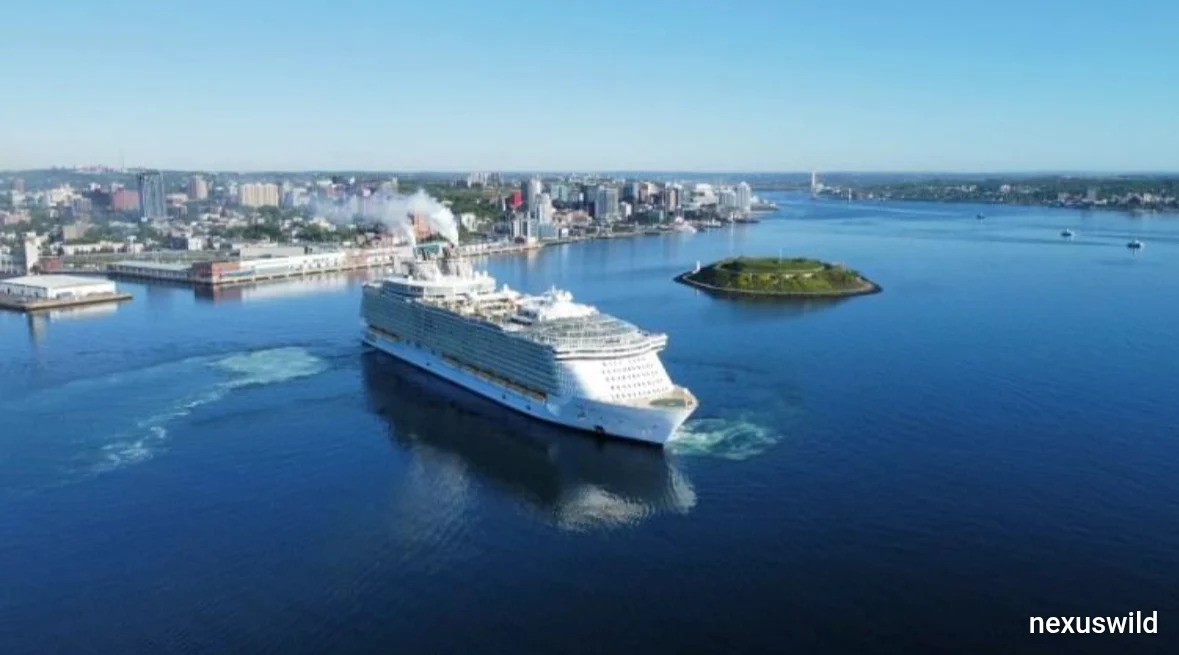

Than 5,000 passengers on Royal Caribbean’s Oasis of the Seas had to change their holiday plans when the cruise line rerouted its 18 October sailing from New Jersey to Halifax, Nova Scotia. The shift came after forecasts showed weather along the original route. The seven-night cruise was supposed to visit Florida and the Bahamas. Those stops were replaced with a port call in Canada and several days at sea.
The ship left from Cape Liberty in Bayonne, New Jersey on 18 October. It was set to stop at Port Canaveral in Florida Perfect Day at CocoCay in the Bahamas and Nassau.. Royal Caribbean cancelled all three after watching a storm form off the US East Coast.
In messages to passengers the company said the weather might make traveling to Florida and the Bahamas unsafe or unpleasant. This meant a cruise promised for weather turned into a trip to Atlantic Canada in fall. Passengers had to adjust what they expected. For some even what they packed.
Oasis of the Seas arrived in Halifax for a stay starting the evening of 20 October. At first it was meant to leave the morning but the visit was extended until 6 p.m. On 21 October. That gave guests time to explore the city. The ship was still scheduled to return to Cape Liberty on 25 October keeping the trip at seven nights.
The change wasn’t about different ports. Travelers who had booked shore excursions at the cancelled stops lost those planned activities. They also faced a cooler climate than they signed up for. Some passengers were disappointed by the last-minute switch while others said they were making the best of the time in Halifax.
Royal Caribbean offered ways to make up for the disruption. Guests got onboard credit with amounts based on their stateroom type. A future cruise credit equal to 50% of the fare was also given for each paid guest. Shore excursions booked through Royal Caribbean at the cancelled ports were refunded too.
The onboard credit amounts varied. The first and second guests in inside and ocean-view cabins got $200 each. Those in balcony cabins got $300 and suite guests got $600. Third and extra guests received $100 each. This is separate from the cruise credit, which can be used for another Royal Caribbean trip and has booking rules.
The compensation helped a little. It didn’t bring back the original vacation. The future cruise credit only helps if passengers can and want to book another trip within the terms. Refunds for excursions cover those costs, not the bigger hassle of a changed trip.
This shows how tough decisions cruise lines face when storms threaten their route. Ships must think about wind, waves, port safety and the well-being of everyone on board. Changing the itinerary is disruptive. Sailing into dangerous weather isn’t an option. That’s why cruise lines keep the right to adjust routes long as it fits the ticket contract and local laws.
That flexibility can cause problems for passengers. People might wonder what they’re owed when the main destinations disappear especially if they got notice or already made other travel plans. The real answer depends on the cruise contract, how the change happened and what laws apply. Just changing the itinerary doesn’t mean Royal Caribbean broke its contract or that everyone deserves a refund.
The event also shows why passengers should read cruise terms before sailing. Contracts usually say ports and routes can change because of weather, safety or other reasons. Travelers should also check travel insurance rules for excursions booked on their entry requirements for a new destination. A stop in Canada might cause issues for some especially if they’re not from certain countries or don’t have the right papers.
For cruise companies compensation is both a way to keep customers happy and a business move. Offering credits can help keep loyalty after a change but it doesn’t erase disappointment or guarantee a future booking. How well it works depends on how clear the offer's how easy it is to use and whether guests feel it matches what they lost.
The real takeaway isn’t that weather changes can be stopped. They can’t. What matters is communication and good planning. Cruise lines must act as weather changes come. Passengers need timely updates about new ports, schedules, refunds and what to expect.
The Oasis of the Seas was due back in New Jersey on 25 October. This case raises a question for the cruise industry: how can companies protect passengers when weather forces quick changes while still keeping trust when a promised trip changes a lot? The answer lies in communication, clear compensation and knowing the difference, between a safety decision and what customers are truly owed.
Nexuswild welcomes factual corrections. Email contact@nexuswild.com with evidence and the article URL.