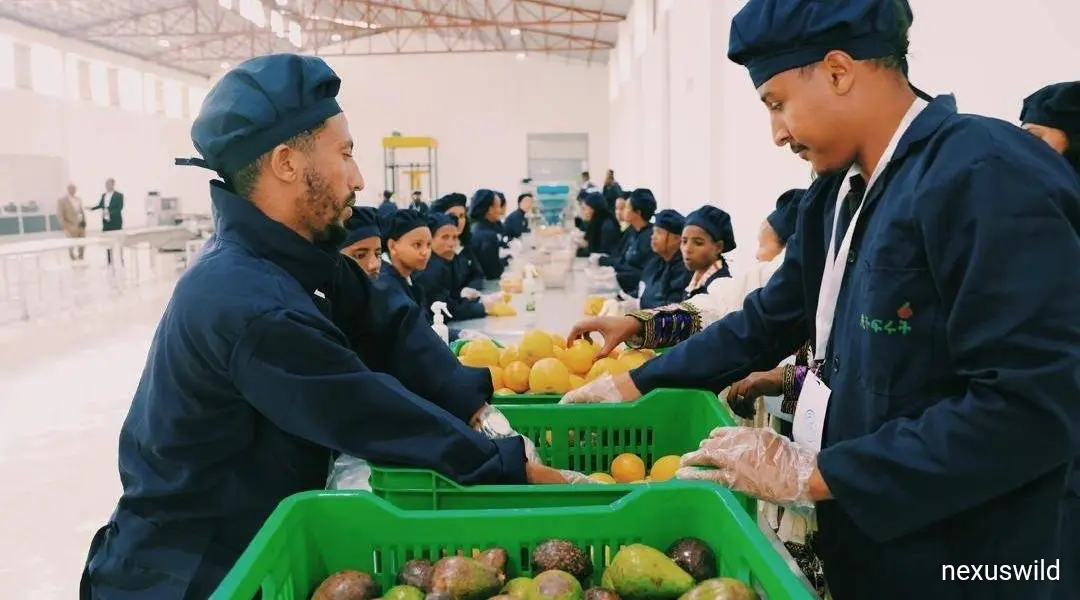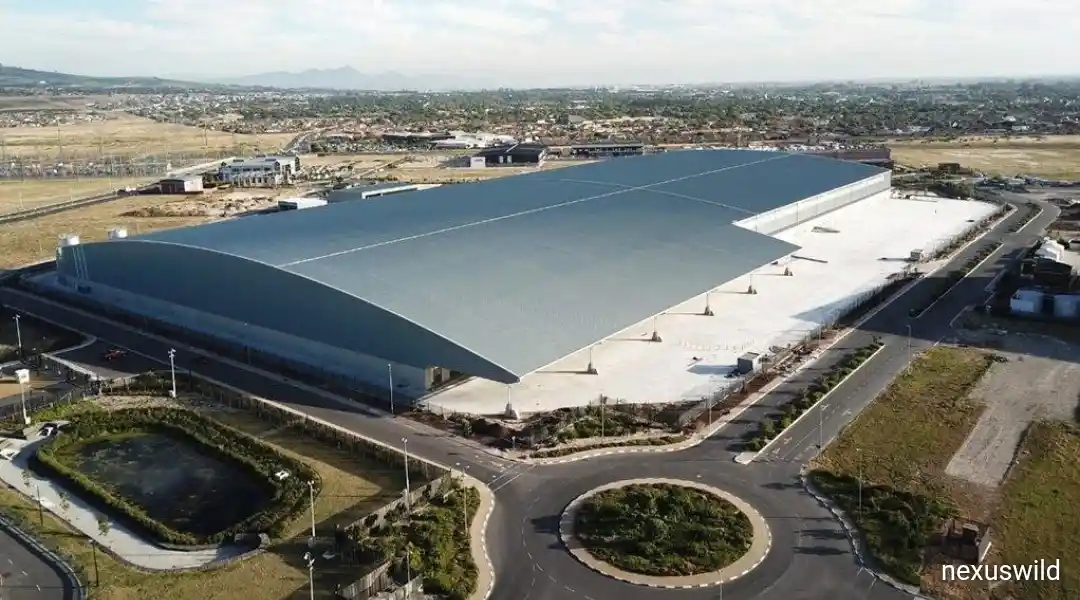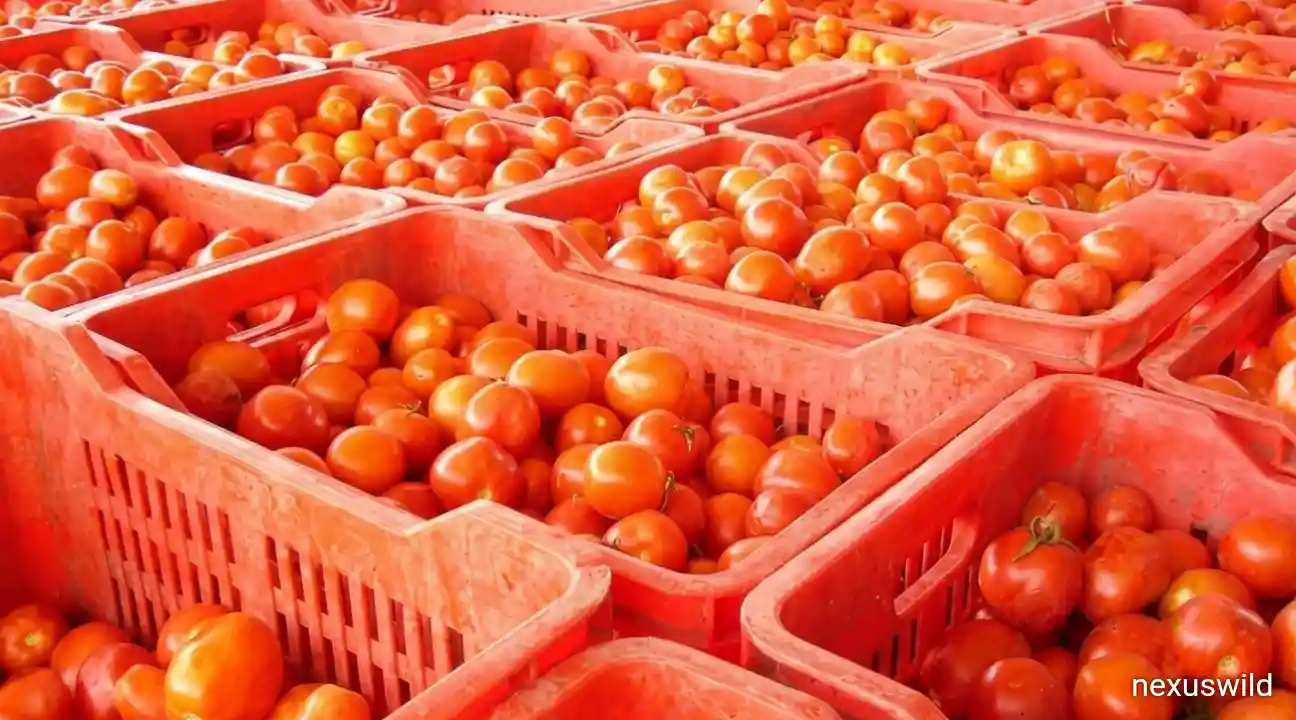

About 13.3% of the world's food was lost between harvest and the retail stage in 2023, according to the Food and Agriculture Organization of the United Nations (FAO). That is slightly above the 13.0% recorded in 2015, when global monitoring began. The figure arrives as world food prices are at their highest since late 2022, though FAO attributes the current rise to other causes.
What the loss data shows
FAO's Food Loss Index covers food lost on farms and during transport, storage, wholesale and processing, up to but not including retail. Losses are concentrated in poorer and more vulnerable economies. FAO puts the rate at 19.9% in least developed countries and 19.0% in small island developing states, both slightly higher than in 2015.
Perishables fare worst. Losses of fruit and vegetables rose from 23.2% in 2015 to 25.4% in 2023, FAO says, reflecting their short shelf life and handling needs.
The index has limits. According to an ESG-industry explainer on the data, harvest-stage losses are excluded from the international index, and waste at retail and consumer level is tracked separately by the UN Environment Programme. A crop left unharvested because prices fell too low is therefore not captured.
Where prices stand
FAO's Food Price Index averaged 136.0 points in September 2026, up from a revised 134.0 in August and 5.8% above a year earlier. FAO released the figures on 2 October, and trade press noted it was the highest reading since November 2022. The cereal index rose 5.1% on the month and 17.2% on the year.
FAO's chief economist, Maximo Torero, pointed to disruptions in the Strait of Hormuz and the Black Sea and to climate shocks, according to Xinhua. He said that if the pressures persist, they could soon reach consumer prices, especially in countries that import food and energy.
Those are the drivers FAO cites. None of the reports reviewed links the latest increase to post-harvest losses. FAO forecasts 2026 cereal output at 2.979 billion tonnes, which Reuters noted is 2.1% below last year's peak but still the second-largest harvest on record.
How storage losses reach prices
Economists describe several channels. Food lost before it reaches a market reduces the quantity on sale, which can tighten supply. It also affects who bears the cost.
Smallholder farmers often sell at harvest, when prices are lowest, and buy food back later at higher prices, according to material published by the Rockefeller Foundation. The same material reports that storing maize in hermetic PICS bags raised farmers' income compared with selling at harvest or using traditional storage.
A doctoral thesis at ETH Zurich reports randomised trials in Tanzania in which improved on-farm storage reduced seasonal food insecurity and narrowed the gap between high and low local prices during the observation period. The author argues that storage losses limit the ability to profit from seasonal price swings, which keeps those gaps wide. The evidence comes from specific districts and cannot be applied to world prices.
Local costs can be large. A study by the African Institute for Corporate Citizenship, reported by Malawi's Nation, found maximum post-harvest losses of 27.1% for rice and 20.6% for soybeans, linked to ordinary bags and home storage.
Why cutting losses does not simply cut prices
Research from the International Food Policy Research Institute (IFPRI) adds a caution. In a presentation hosted by the US National Academies, IFPRI said that less food loss raises farm income only if the saved food can be sold without a price drop. It said a large reduction could lower prices and farm incomes for that product, other things equal. IFPRI also said most losses in its studies occurred at farm level, at 56% to 86% of the total, and that better storage and cold chains can help reduce price volatility.
In practice, lower losses can help consumers through lower or steadier prices, and farmers through quality and timing gains, but the balance depends on the crop, the market and how much is saved.
What is not established
The sources reviewed give no verified estimate of how much world prices would fall if post-harvest losses were cut by a given amount. FAO's loss figure measures a share of quantity, not value or price. Most of the price evidence comes from small-scale studies, and some sources are secondary or advocacy-led.
What to watch next
FAO's next Food Price Index is due on 6 November 2026. Readers should watch whether Black Sea and Hormuz disruptions persist and whether higher commodity prices pass through to shop prices. FAO also cited El Niño concerns in its sugar reading. Further updates to the Food Loss Index will show whether the global loss rate has moved from 13.3%, and whether storage investments in the highest-loss regions are showing up in the data.
Nexuswild welcomes factual corrections. Email contact@nexuswild.com with evidence and the article URL.