
Global technology stocks faced selling pressure on October 29 and 30 as investors reassessed the financial returns expected from large artificial intelligence infrastructure investments. Disappointing earnings reactions from technology companies, including Alphabet, Intel and Amazon intensified concerns about capital expenditure, profitability and future growth expectations.
Alphabet led the decline on Wall Street with Alphabet’s shares falling 12.6% on October 29 and erasing $500 billion in market capitalization in a single trading session. The pressure extended into markets on October 30 where semiconductor‑related stocks experienced substantial losses.
Alphabets Earnings Intensify AI Investment Concerns
Alphabets third‑quarter results highlighted the contrast between business growth and the increasing cost of expanding AI infrastructure.
Alphabet reported revenue of $127.6 billion for the quarter ended September 30 2026 representing a 25% year‑on‑year increase. Google Cloud revenue climbed 103% to $30.7 billion reflecting demand for cloud computing and enterprise AI infrastructure.
However Alphabet also reported $51.4 billion in capital expenditure during the quarter. Alphabet’s nine‑month infrastructure investment reached $132 billion according to Alphabet’s filing.
Alphabet’s financial disclosures showed the scale of Alphabet’s commitment to data centres, servers and networking equipment. Investors nevertheless questioned how quickly these investments would translate into cash generation and higher shareholder returns.
The decline was also influenced by revenue performance in Google’s core Search business meaning AI spending was not the only factor behind the share‑price reaction.
Intel and Amazon Add to Market Pressure
The technology sell‑off intensified after Intel and Amazon released their results and forward guidance.
Intel shares fell 23% in after‑hours trading following a disappointing outlook. Weakness in the personal computer market and operational challenges contributed to concerns about Intel’s near‑term performance despite demand for AI‑related server chips.
Amazon shares also declined 7% in extended trading. Amazon’s holiday‑quarter revenue outlook raised concerns about demand and the financial implications of Amazon’s continued infrastructure investments.
The reactions highlighted the differences between individual company challenges and broader concerns about the technology industry’s AI investment cycle.
Asian Semiconductor Markets Experience Sharp Declines
The negative sentiment spread across Asia on October 30 putting pressure on markets with exposure to semiconductor manufacturing and technology hardware.
Japan’s Nikkei 225 closed 2.1% lower at 63,290.11 after falling much as 3% during the session. Semiconductor equipment companies were among the losers.
Advantest declined 5.9% Tokyo Electron fell 5.2%. Ibiden dropped 15.2%.
South Korea’s KOSPI declined 5% with major technology and semiconductor companies contributing to market weakness.
In China the CSI 300 remained under pressure amid a decline in AI‑related stocks and concerns about demand for semiconductor and data‑centre equipment.
The regional declines demonstrated how closely Asian technology markets are connected to the earnings expectations and investment decisions of US technology companies.
Investors Turn More Cautious as Treasury Yields Fall
The broader risk‑averse environment also affected government bond markets.
The benchmark US 10‑year Treasury yield declined eight basis points to 4.91% on October 30 indicating increased demand for government securities during the market disruption.
The bond movement coincided with a reassessment of risk across technology equities. However the shift in Treasury yields also reflected economic and financial‑market conditions.
The Growing Question of AI Investment Returns
The latest sell‑off highlights a challenge facing the technology industry: balancing long‑term AI infrastructure investment with near‑term financial performance.
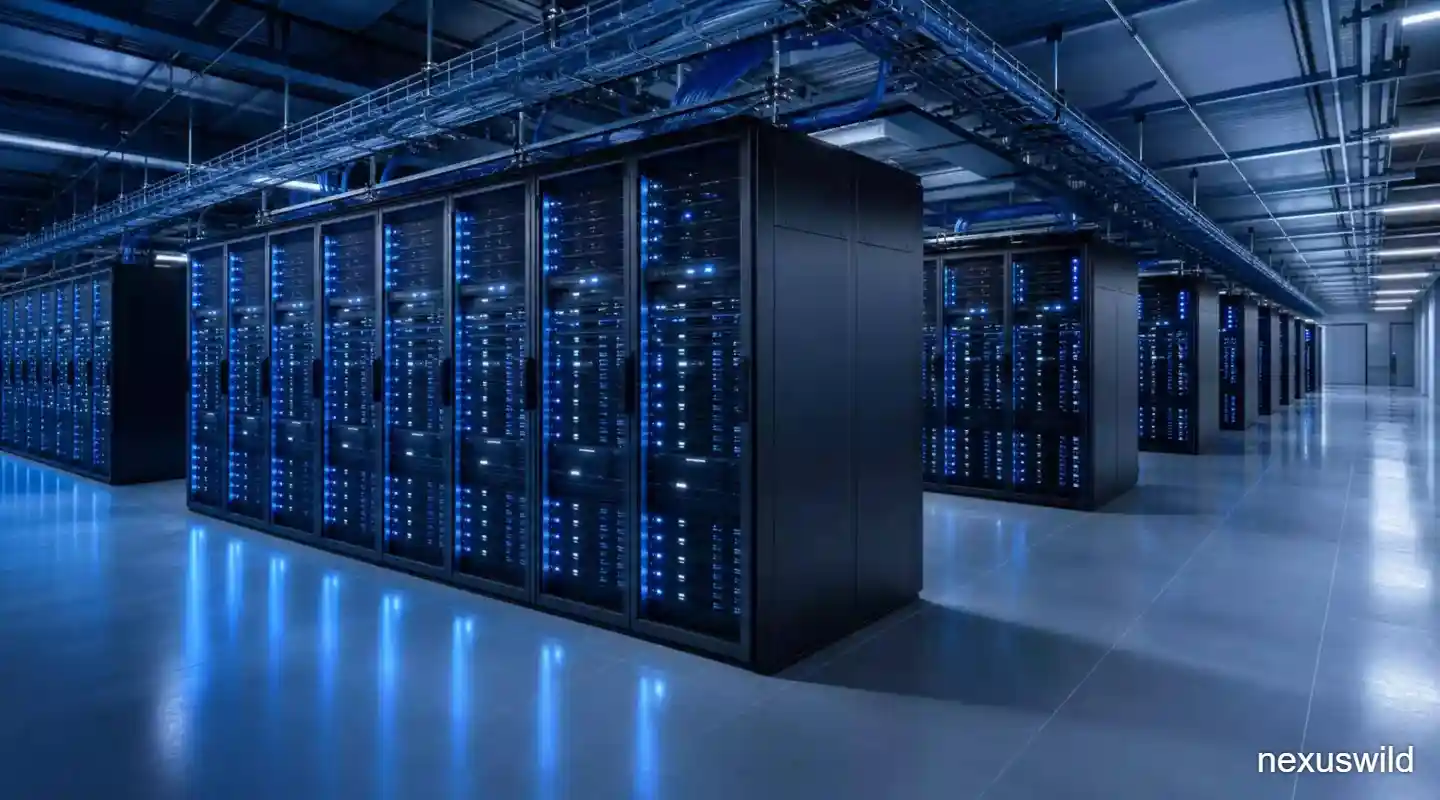
Building large‑scale data centres requires expenditure, on computing hardware, electricity, cooling systems, networking and physical infrastructure. These projects can take years to complete while revenue generated from AI services may develop over a period.
For technology companies the central challenge is demonstrating that increasing AI adoption can generate recurring revenue and operating profitability to justify the investment.
Investors are therefore placing emphasis on capital efficiency, free cash flow, infrastructure utilisation and the commercial performance of AI‑related products.
What Happens Next?
The next earnings cycles will provide evidence of whether major technology companies can maintain growth while managing rising infrastructure costs.
Investors will closely monitor capital expenditure guidance, cloud revenue growth, semiconductor demand and the profitability of AI‑related services.
The latest market correction does not show that the AI industry is facing demand. Rather it shows that investors are becoming more careful, about the returns they expect from the AI industry’s large infrastructure investments.
The long‑term future of technology valuations will rely on whether companies can turn their AI spending into earnings and clear business value.
Nexuswild welcomes factual corrections. Email contact@nexuswild.com with evidence and the article URL.