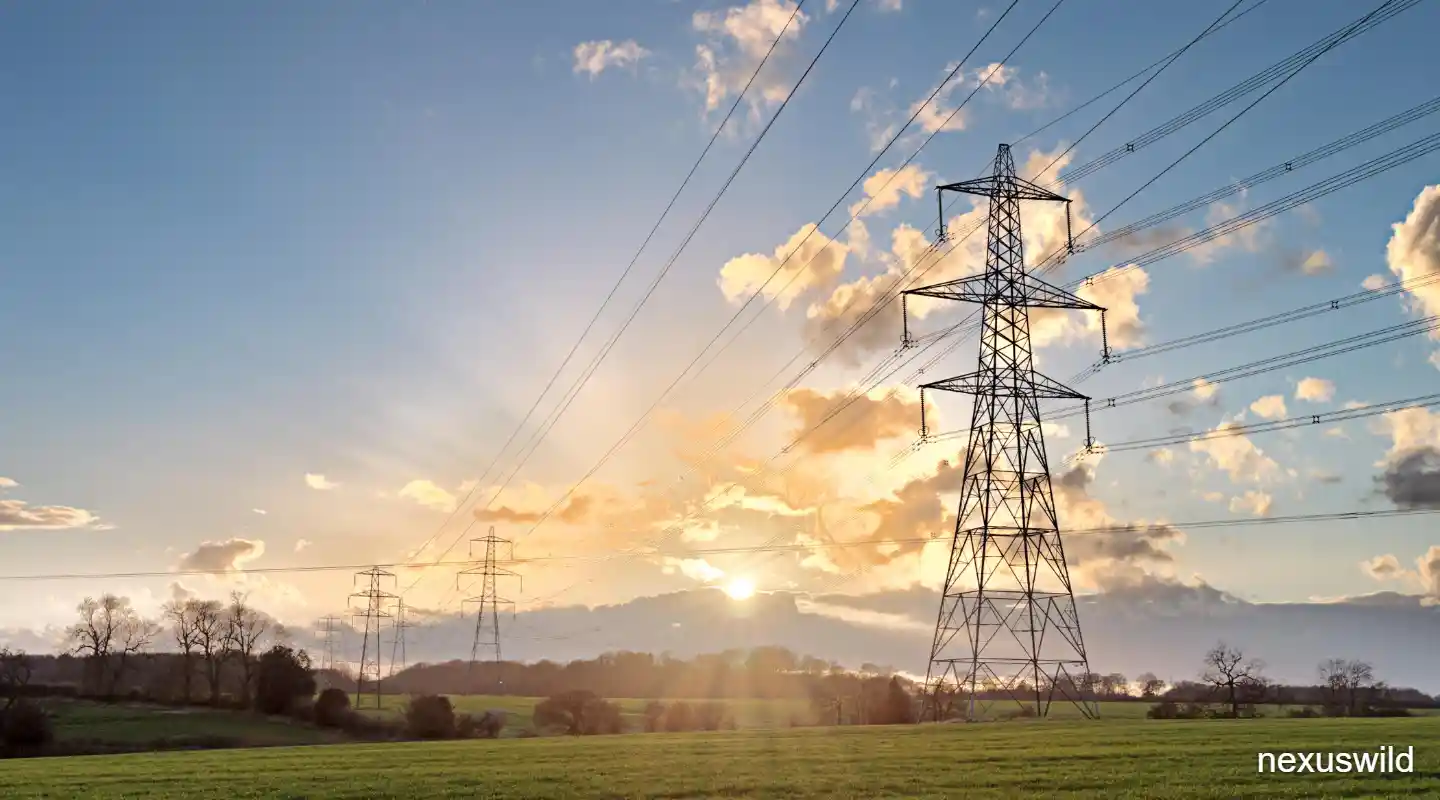

Cross-border electricity links are becoming more important in energy planning as countries look for power more flexibility and better ways to use renewable energy. These links allow electricity to flow between power grids. This means countries can share power when one country has extra and another has a shortage. It helps balance supply and demand across borders.
The growing role of these links reflects a problem. Electricity use is rising. Renewable energy capacity is growing fast.. Transmission networks need to change to connect power generation with the people who need it. The International Energy Agency (IEA) says global electricity use will grow 4% every year until 2027. This puts pressure on power systems that are already under strain.
Energy Security Is Driving Cross-Border Investment
Electricity interconnectors help countries have options for power. When a country cannot make electricity at home it can import power from neighbors.. Only if those neighbors have spare power and the connection is strong enough.
These links also help countries work together. Of building more power plants at home they can share what they already have.. Interconnection does not stop shortages. The system only works if the neighbors have power, good transmission lines and fair trading rules.
Renewable Energy Is Increasing the Need for Connected Grids
Solar and wind power do not always produce the amount of electricity. Their output can change with weather and time of day. When renewable power is too high but local demand is low some of the power may need to be wasted.
Cross-border connections can send electricity to other areas where demand is higher. They also allow countries to use types of renewable energy. For example one country may have wind, another strong sun. By connecting they can balance each other’s supply over an area.
The IEA sees this as key to the ASEAN Power Grid. This is a project to connect electricity systems across Southeast Asia. It aims to support trade in power and make the region’s energy system more flexible.
Europe Expands Its Cross-Border Infrastructure Plans
Europe shows how governments can treat electricity interconnection as a goal. On April 9 2026 the European Commission listed 235 priority projects for -border energy infrastructure. Of those 113 were for electricity smart-grid projects. These are meant to strengthen connections and help integrate energy.
The EU uses two tools. The Projects of Common Interest and Projects of Mutual Interest help support projects. They provide permitting, better regulation coordination and access to EU funding.
Another big step happened on February 9 2025. Estonia, Latvia and Lithuania connected to the European grid. This change showed how important it is to link systems through organized infrastructure. It was an strategic success.
Southeast Asia Faces a Major Investment Challenge
The ASEAN Power Grid aims to improve power links across a region with energy sources demand levels and development stages. The IEA says about $27 billion in investment in interconnectors will be needed by 2040 to make this vision happen.
The economic case is strong. Countries can share energy cut operating costs and use existing power more efficiently.. Getting the money is hard. Cross-border projects need agreement among governments, utilities and regulators. They must agree on who pays how much to charge for transmission and how to trade power.
Expensive undersea cables, construction times and different electricity markets make investment decisions tough. The IEA says that clearer business rules, shared risk and public and private funding are needed to get things moving.
India and Singapore Explore a Potential Electricity Corridor
power cooperation is growing in South and Southeast Asia. On October 8 2026 India’s Ministry of Power said India and Singapore were studying a 2,000-megawatt electricity link. One idea is a 3,000-kilometre land-based transmission line from Imphal in India’s to Singapore. It would go through Myanmar, Thailand and Malaysia.
This link could support power trading. Help regional energy cooperation.. Only if technical, commercial and political agreements are made. The idea is still being explored. The proposed route and capacity do not mean the project is approved or that power will flow soon.
Financing and Construction Remain Significant Obstacles
Even though cross-border electricity projects offer benefits they are hard to build. They need a lot of money upfront. They can be delayed by permits, land issues, equipment buying and coordination between nations.
The business model matters too. Investors need to know how they will earn money. They need to know how costs will be shared. They also need to know what happens if power flows differ from expectations.
Projects may need money, government guarantees, blended finance or long-term contracts. These tools help spread risk between governments, power companies and private investors.
Cross-border links also depend on local transmission systems. A new international connection will not help if electricity cannot reach people in the countries involved.
What Comes Next?
The future of -border electricity investment will depend on whether governments can turn plans into real projects. These projects need rules, solid construction plans and financial backing.
In Europe Southeast Asia and the possible India–Singapore link the next steps include approvals, studies, funding deals, permits and construction.
Cross-border electricity links are not a replacement, for building power plants at home or upgrading grids. They are a layer. They help countries share resources adapt to changing demand and use power flexibly.
As energy systems grow more connected their value will depend not on the cables and wires. It will also depend on the rules, funding models and cooperation that keep them working.
Nexuswild welcomes factual corrections. Email contact@nexuswild.com with evidence and the article URL.