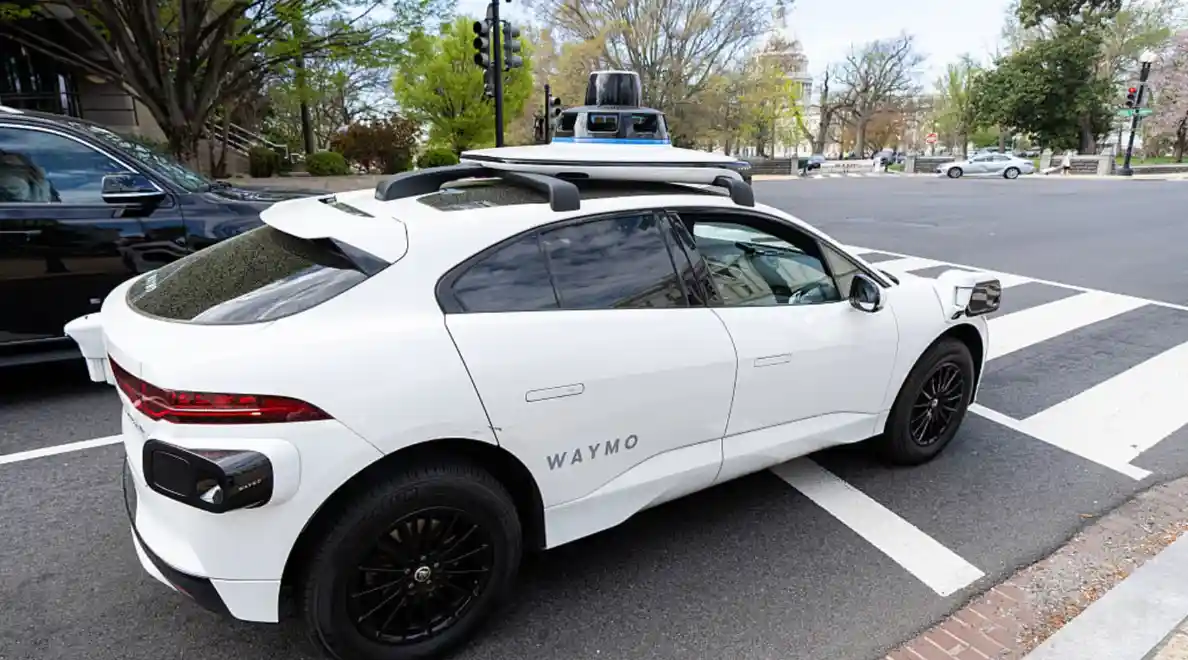

The economics of driverless transportation depend on more than developing a vehicle that can operate without a driver. Autonomous ride-hailing companies must also manufacture vehicles install expensive technology maintain fleets manage charging and cleaning operations secure regulatory approvals and generate enough paid journeys to recover their investment.
That combination has made commercial expansion one of the industrys challenges. A capable robotaxi is not necessarily a profitable one. Its financial performance depends on how much it costs to build and operate how it carries paying passengers and how efficiently its technology can be deployed across multiple cities.
Toyota and Waymo are now attempting to address part of that challenge through a manufacturing and technology partnership.
On October 30 2026 the companies announced the phase of their collaboration. Toyota will manufacture bZ4X vehicles at its Takaoka plant in Toyota City, Japan while Waymos autonomous-driving hardware will be integrated at the same facility. Initial testing and validation of the fleet in Japan are planned for 2027 with expansion to the United Kingdom and other Waymo-serviced markets planned for later years.
The announcement builds on their agreement from April 2025. Importantly it gives the partnership a concrete vehicle programme rather than leaving the collaboration focused mainly on exploring future possibilities.
The economic significance lies in the combination of two strengths: Toyotas ability to manufacture vehicles at scale and Waymos experience operating fully autonomous ride-hailing services. If the companies can connect those capabilities efficiently they could help reduce some of the costs that currently limit the expansion of robotaxis.
1. Manufacturing Scale Could Reduce the Cost of Robotaxi Vehicles
One of the costs in autonomous transportation is the vehicle itself including the specialised equipment required to make it operate without a human driver.
Traditional passenger vehicles are designed around driving systems. Robotaxis require sensors, computing hardware, wiring, electronic architecture and other components to support autonomous operation. Integrating these systems can increase manufacturing complexity and the cost of each vehicle.
Toyotas involvement could help address this challenge by connecting vehicle production with an established automotive manufacturing operation.
Under the arrangement Toyota will assemble the bZ4X at its Takaoka plant and integrate Waymos autonomous-driving hardware at the same facility. The companies describe this as a production process from the base vehicle to the installation of autonomous technology.
This approach could create advantages.
First integrating hardware during manufacturing may reduce the need for modifications after a vehicle leaves the production line. Second common production procedures could help improve consistency across vehicles. Third Toyotas supplier relationships and manufacturing experience may help manage component sourcing and quality as fleet volumes increase.
The potential savings should not be assumed to be immediate. Autonomous equipment remains specialised. The companies have not disclosed production costs, vehicle prices or expected manufacturing volumes.
Nevertheless the arrangement creates an opportunity to make autonomous vehicles less dependent on expensive conversions. That matters because robotaxi operators need vehicles that can be reproduced in specifications rather than treated as one-off engineering projects.
For Toyota the partnership also creates a role in a developing mobility market without requiring it to become the sole operator of Waymos autonomous ride-hailing system.
2. Waymo Brings an Existing Commercial Operating Network
Toyota contributes manufacturing expertise. Waymo brings something equally important: experience operating autonomous vehicles as a paid transportation service.
Waymo has spent years developing its driving technology and collecting real-world operational data. Its commercial expansion in the United States demonstrates that robotaxi services are no longer limited to research demonstrations.
A September 24 2026 report by TechCrunch said Waymo was operating in 15 US cities averaging 500,000 paid robotaxi rides each week and running a fleet of roughly 4,000 vehicles.
These figures are important because they show the level of activity already reached by the company. A growing ride-hailing network can generate information about passenger demand, vehicle utilisation, maintenance requirements charging patterns and the cost of operating vehicles in locations.
That experience may help Waymo adapt its service to markets without rebuilding every operational process from the beginning.
Toyotas manufacturing partnership could complement this expansion by providing vehicles designed for Waymos operating requirements. Of depending entirely on a collection of vehicle suppliers and platforms the company gains another established automotive partner for its international fleet.
The commercial model could therefore become more structured: vehicle manufacturers supply platforms, autonomous technology companies provide the driving systems and mobility operators manage the customer-facing transportation service.
The division of responsibilities could create opportunities for each company to concentrate on its capabilities.
3. Fleet Utilisation Will Determine Whether Driverless Rides Become Cheaper
Removing the driver does not automatically make a taxi service inexpensive. The vehicle still needs to be purchased charged, cleaned, maintained, insured and monitored. It may also require operational support and specialised technical servicing.
The important economic question is how frequently each vehicle generates paid revenue.
A robotaxi that spends much of the day waiting for passengers travelling without customers or undergoing maintenance will struggle to recover its purchase and technology costs. A vehicle that completes paid trips across the day can spread its fixed costs over a larger number of journeys.
This is known as vehicle utilisation. It is central to robotaxi economics.
PwCs autonomous-vehicle market analysis illustrates the difference that scale can make. Its economic estimates suggest that at technology-stack costs and 50% vehicle utilisation, an operator with a fleet of 15,000 to 20,000 robotaxis could achieve a cost of approximately $1.70 to $2.20 per mile. At the utilisation rate a smaller operator with around 5,000 vehicles could face costs of approximately $6 to $8 per mile.
These figures are estimates from PwC not disclosed operating costs for Waymo or forecasts for the Toyota partnership. They demonstrate how vehicle volume and utilisation can influence the economics of transportation.
Toyotas manufacturing scale could help supply vehicles consistently while Waymos operating network could help put those vehicles to work. If the partnership can achieve utilisation without increasing operational complexity at the same rate cost per passenger journey could improve.
However the relationship is not automatic. Adding vehicles without sufficient customer demand can increase depreciation, parking, charging and maintenance expenses. The commercial objective must be to match fleet size with passenger demand.
4. The bZ4X Could Provide a More Standardised International Fleet
The choice of Toyotas bZ4X is also commercially relevant.
A robotaxi fleet benefits from having vehicles with layouts, electrical systems, maintenance requirements and passenger features. Standardisation can make technician training, spare-parts management, repairs and fleet planning easier.
Toyotas bZ4X is a vehicle that can serve as a foundation for the autonomous fleet. The outfitted version is designed with passenger comfort and accessibility in mind including generous rear legroom, automatic doors, a power liftgate and ambient lighting.
Those features matter because a ride-hailing vehicle is not designed for the person sitting behind the wheel. It must provide an practical experience for passengers who may enter and exit throughout the day.
Standardised vehicle platforms may also help reduce complexity when operators expand into markets. A consistent vehicle design can make fleet procurement. Servicing more predictable although local requirements will still require adaptations.
The partnership has a dimension. Toyota and Waymo plan to begin with Japan and consider deployment in the United Kingdom and other Waymo-serviced markets in years.
The right-hand-drive design is relevant to the two markets. A vehicle programme developed around these markets could provide a starting point before broader geographical expansion.
Still the companies have not announced the number of vehicles or the initial Japanese operating locations. Reuters reported that the first operations are expected to involve a number of vehicles with deployment details yet to be disclosed.
5. Autonomous Technology Still Carries Significant Operating Costs
The economic opportunity is substantial but autonomous driving remains a technology to develop and operate.
Waymos system relies on a combination of sensors, computing hardware, software, mapping, simulation and continuous engineering development. The technology must recognise surrounding vehicles, pedestrians, road markings, traffic signals and unexpected road conditions.
The costs do not end when a vehicle enters service. Operators must continue improving software, updating systems monitoring performance and maintaining the equipment.
PwC identifies both variable expenses in robotaxi operations. Fixed costs include the vehicle, autonomous technology stack and research and development. Variable costs include electricity, insurance, maintenance, fleet logistics and teleoperations.
The company also notes that driving architectures can shift costs between different areas. A LiDAR-based system may require investment in perception and scenario modelling while vision-based systems can require substantial computing resources and ongoing model training. Neither approach eliminates the need, for engineering and technology infrastructure.
This is where Toyotas role could become particularly useful. If vehicle and autonomous hardware integration can be standardised it may help control some manufacturing and installation costs.. Toyota cannot eliminate the cost of Waymos software development, operational support or safety validation.
The partnership should therefore be viewed as an attempt to improve the cost of doing business rather than a solution that immediately makes driverless rides cheaper.
6. Japan Provides a Major Opportunity. Regulation Will Shape Expansion
Japan is an important market for autonomous transport because it has advanced automotive manufacturing and a growing need for accessible mobility services.
An aging population and mobility needs in areas outside cities create potential demand for transportation options that do not fully rely on traditional drivers. Autonomous vehicles could become one part of the answer especially where traditional transportation services face problems.
However driverless services need to follow safety and regulation. Japan has already created a system for Level 4 automated driving. Its updated Road Traffic Act created a permission system for automated operations and those rules started in April 2023.
That system provides a way for driverless operations. It does not mean every autonomous vehicle can automatically run anywhere in the country. The vehicle, the technology the area it works in and the service must meet the rules.
For Toyota and Waymo testing in Japan will involve more than changing a vehicles software. The companies must check how well their systems work under roads, traffic, infrastructure and rules.
The same problem will happen when they expand to the United Kingdom and other places. Road layouts, traffic behavior, rules and weather are different. A system that works in one city cannot be assumed to work in every place.
Local testing and getting approval will therefore remain costs and possible delays.
7. Safety Performance Could Influence the Long-Term Business Case
Safety is not a requirement from rules. It can also affect customer trust, insurance costs, public acceptance and the ability to grow a transportation service.
Waymo has shared safety data comparing its operations with human drivers in the cities where it works. Its September 2026 update covered than 270 million fully autonomous miles up to June 2026. The company reported 82% crashes that caused injuries and 95% fewer crashes that caused serious injuries or worse compared with the human drivers in its analysis.
These are numbers the company shared and should be understood within the way it did its analysis and where it works. They do not show that autonomous vehicles will act the same in every country or road setting.
Still consistent safety results could become a part of the business case for driverless transport. Fewer serious crashes may lead to disruption and help build more trust from the public while a reliable service can make people more willing to use robotaxis regularly.
Toyotas involvement may help through its experience with building vehicles checking quality and making them. The two companies have also said they will look at how insights from Waymos real-world work could help improve safety in Toyota vehicles.
The bigger chance is not for ride-hailing. Data from fleets could help make better vehicles, driver assistance tools and traffic safety systems.
8. The Partnership Could Extend Beyond Robotaxis
The October 2026 announcement includes a part of the cooperation that is beyond commercial ride-hailing.
Toyota and Waymo will keep looking at how Waymos autonomous technology and real-world experience could help future Toyota vehicles that people own. Woven by Toyota the software and mobility part of Toyota will be part of these projects.
This is important for business because autonomous driving has two possible markets.
One is for fleets, where a company owns or runs vehicles and sells rides to customers. The other is for vehicles that people own themselves and use automated driving features.
The business needs are different. Robotaxis need to work for times serve many people and be used as much as possible. Vehicles that people own need to offer automated features at a price people are willing to pay.
Toyotas ability to make a lot of vehicles could help bring some technologies to cars while Waymos experience could help build autonomous driving features. However the current announcement does not say what product, when it will come or how the technology will be shared.
The longer-term idea is that the partnership could create value in both shared mobility and owned vehicles not just from robotaxi operations.
What Could Prevent the Partnership From Changing Robotaxi Economics?
Even though it has potential the partnership is still in a stage. Many unknowns will decide how important it is for business.
First how many vehicles will be made is not known. Toyota and Waymo have not said how many bZ4X vehicles will start in the program. Without numbers cost savings may take time to happen.
customer demand must support how much the fleet is used. A lot of vehicles does not mean they will be profitable. Operators need rides to keep the vehicles busy.
Third, technology and repair costs are important. Sensors, computers, fixing, charging, insurance and support all affect the cost of each vehicle and trip.
Fourth getting permission from rules will decide how fast services can grow. Japan the United Kingdom and other places have rules and local testing may be needed before starting.
Finally the companies have not said their business plans. How much the vehicles will cost, how money from the fleet will be split how much money will be made and how much will be saved is unknown. Without these details it is too early to know the financial results.
These unknowns do not cancel the sense of the agreement. They show why the announcement should be seen as a step toward growing than proof that low-cost robotaxi services are already possible.
What Happens Next?
The next big step will be. Checking Toyota bZ4X autonomous vehicles in Japan in 2027. Progress will depend on how ready the vehiclesre getting permission from rules how well they work and the companies ability to build a reliable service.
Experts will be watching for how many vehicles will be made, where the first placesre how much the fleet is used and if adding autonomous parts during making the cars lowers costs. Expanding into the United Kingdom and other places where Waymo already works will be another test to see if the same car and tech can work in places.
For Toyota the partnership offers a way to get into a growing market for self-driving transport. For Waymo it offers access to a car maker that can make a steady fleet. For the industry it shows how the split between making cars and making self-driving transport could become more focused.
Conclusion
Toyota and Waymos partnership could change the costs of driverless transport by solving one of the problems in the industry: moving from expensive self-driving cars to vehicles that can be made fixed and used in big numbers.
Toyota brings making cars, building skills and a big production base. Waymo brings self-driving tech, real experience and an existing ride-hailing network. Their plan for the bZ4X in Japan offers a chance to mix those strengths into a way of making and running cars.
How well it works depends on how much the fleet is used how much it costs to make how much the tech costs, if the rules allow it and if people want to use it. The companies have not said the business details needed to see if the plan will give prices or better profits.
So the announcement is not the end of the problem with robotaxi economics. It is a step toward fixing it through working with companies using the same type of vehicles and having bigger networks. The results, from the 2027 testing will show if driverless transport can become a business.
Nexuswild welcomes factual corrections. Email contact@nexuswild.com with evidence and the article URL.