
Chevron Chief Executive Mike Wirth has warned that restricting U.S. diesel exports could backfire by pushing fuel prices higher in parts of the United States while worsening supply shortages in countries that depend on American shipments.
Speaking at the Energy Intelligence Forum in London on October 6, Wirth said an export ban would remove supply from an already tight global fuel market and could create unintended consequences for U.S. consumers.
“You could see some upward pressure on prices in some parts of the country,” Wirth said, according to Bloomberg. He also warned that restrictions could send a damaging signal to U.S. allies that rely on American fuel supplies.
The warning comes as global diesel inventories remain unusually tight following disruptions to Middle Eastern and Russian refining capacity, elevated shipping costs and continued geopolitical conflict.
Wirth Says Export Restrictions Could Backfire
The argument behind a diesel export restriction is relatively straightforward: keeping more domestically produced fuel inside the United States could theoretically increase local supply and reduce prices.
Wirth argued that the market is more complicated.
The United States is deeply integrated into global fuel trading networks, and some domestic regions depend on imported products even while U.S. Gulf Coast refineries export diesel elsewhere.
Restricting exports could therefore disrupt established trade flows without ensuring that the fuel stays where U.S. shortages are most severe.
Bloomberg reported that Wirth specifically warned that some parts of the country could see higher, rather than lower, diesel prices if exports were restricted.
Trump Says He Will Not Impose a Diesel Export Ban
The warning is partly about a policy that the White House had considered but has since stepped away from.
President Donald Trump said on October 2 that his administration would not proceed with a U.S. diesel export ban.
The decision followed an agreement by G7 countries and partners to release 100 million barrels of crude oil and diesel from emergency reserves in an effort to bring down fuel prices.
The G7 agreement also included a commitment against imposing energy-export restrictions among participating countries.
That means Wirth’s comments should be understood as a warning against reviving export controls rather than a response to an active nationwide ban.
Diesel Markets Remain Extremely Tight
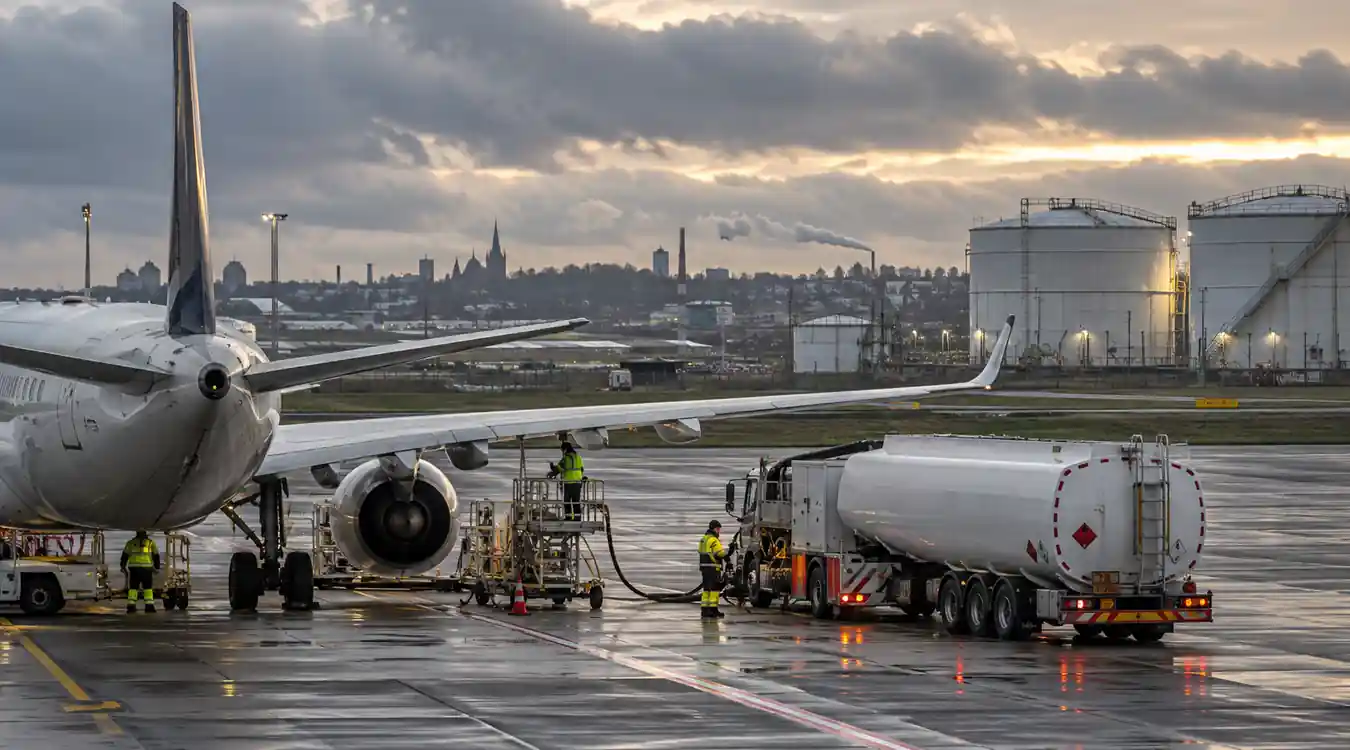
Diesel supply has become one of the most stressed parts of the global energy market.
Chevron and ExxonMobil had already warned in July that supplies of diesel and other refined products were likely to remain tight through the second half of 2026 because of disruptions linked to the Iran conflict, reduced Chinese exports and refinery outages in Russia.
Wirth said at the time that product prices could remain under upward pressure into the third quarter and potentially beyond.
Since then, the problem has intensified.
The U.S. Energy Information Administration said this week that tight global inventories and constrained diesel supply have contributed to record fuel prices and higher oil-price forecasts.
Diesel Prices Have Reached Record Levels
Diesel has become significantly more expensive than crude oil alone would normally imply.
Reuters reported that global refining disruptions and logistics problems have driven fuel prices sharply higher even as crude exports from the Middle East have partially recovered.
U.S. diesel prices have climbed above $6 per gallon in recent weeks, while European diesel prices have also reached historically elevated levels.
The EIA expects U.S. diesel prices to remain above $6 per gallon during October before easing over time as supply conditions improve.
Those projections remain dependent on geopolitical developments, refining capacity and the speed at which global inventories can rebuild.
Global Supply Buffers Are Shrinking
Wirth also warned that the world's energy-supply cushion is becoming thinner.
Speaking at the same London conference, he said inventories and spare logistical capacity have been depleted by months of conflict and supply disruption.
Physical oil delivered into parts of Asia has reportedly been trading at prices approaching $150 per barrel, substantially above headline Brent futures prices because of freight, insurance and logistical costs.
That gap illustrates why crude availability alone does not fully explain fuel prices.
The cost of moving and refining oil has become a much larger part of the problem.
Middle East Disruptions Have Reduced Fuel Supply
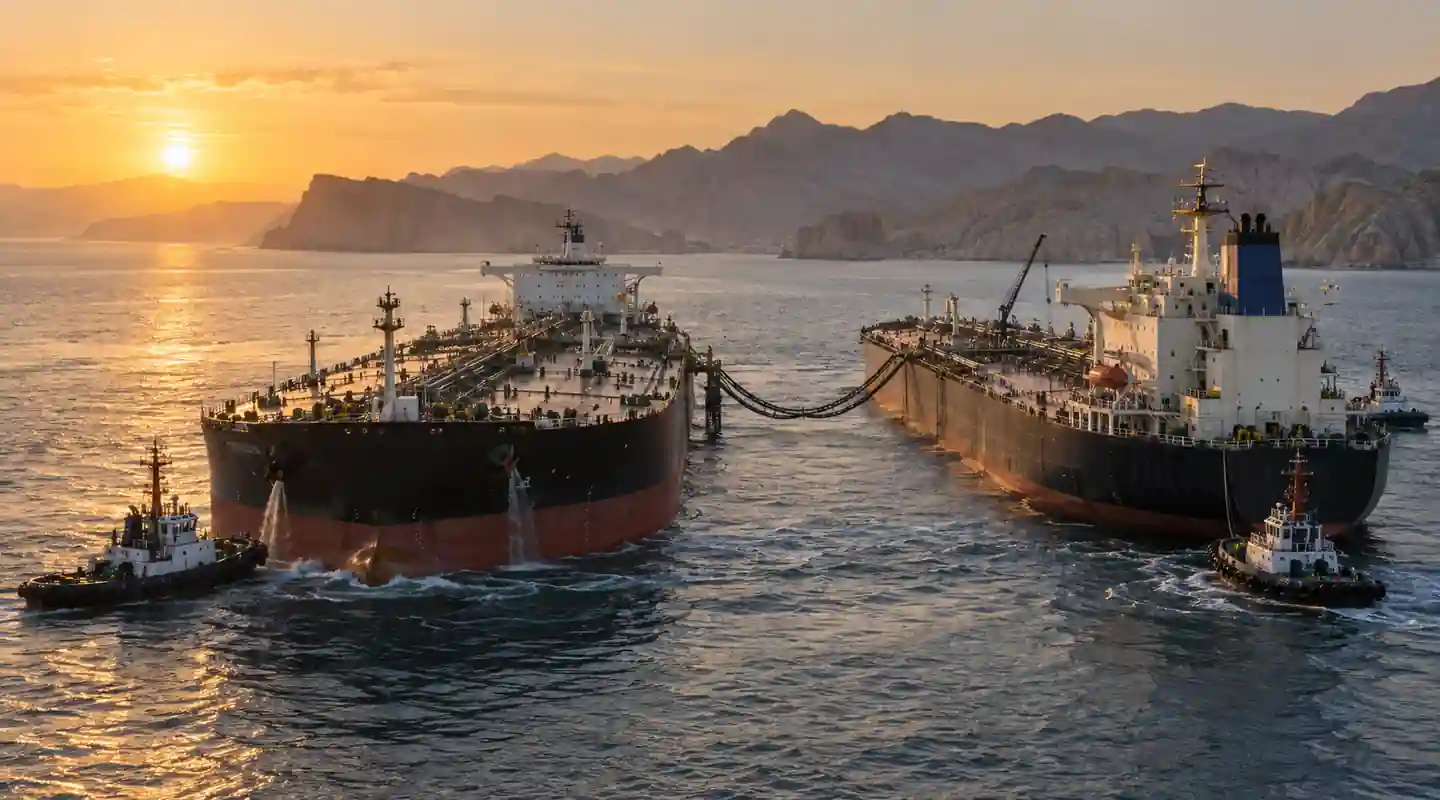
The conflict involving Iran has disrupted both crude and refined-product flows through the Gulf.
Although regional crude exports have recovered substantially from earlier lows, refined-fuel shipments have recovered more slowly.
That matters because diesel cannot be replaced immediately simply by sending more crude oil into the market.
Refineries must have sufficient operational capacity to turn crude into diesel, jet fuel and gasoline.
Attacks on infrastructure, refinery outages and difficult shipping conditions have therefore kept product markets tight even when crude supplies improved.
Russia Has Added Another Supply Constraint
Russia is another major source of global diesel.
Repeated attacks on Russian refineries have reduced processing capacity and exports, adding pressure to international fuel markets.
The combination of lower Russian shipments and disrupted Middle Eastern refining has removed supply from two important exporting regions at the same time.
That helps explain why U.S. diesel exports have become increasingly important to Europe, Latin America and other markets.
U.S. Allies Depend on American Fuel
Wirth emphasized the geopolitical implications as well as the domestic price impact.
He said cutting exports would send a negative message to countries that consider the United States a reliable energy supplier during periods of disruption.
The United States has become an important exporter of refined petroleum products as domestic shale production and refining capacity expanded.
Countries in Latin America are particularly dependent on U.S. fuel shipments, while Europe has increased its reliance on alternative suppliers since sharply reducing Russian energy imports.
Restricting U.S. exports could therefore push prices higher in importing markets.
Export Bans Do Not Guarantee Lower Domestic Prices
Fuel markets are geographically fragmented.
Much of the U.S. refining industry is concentrated on the Gulf Coast, where facilities are designed to supply both domestic and export markets.
The Northeast and West Coast operate in different logistical systems and often face higher transport costs.
Keeping Gulf Coast diesel inside the country would not automatically make it economically or physically easy to move that fuel to every region experiencing shortages.
This is one reason oil companies argue that export restrictions can create regional distortions rather than producing a uniform drop in nationwide prices.
Emergency Fuel Stocks Are the Preferred Short-Term Response
Governments are instead turning toward emergency reserves.
The G7 has agreed to release 100 million barrels of crude and diesel, while the International Energy Agency is discussing how coordinated releases should be structured.
The IEA is expected to discuss additional details at its October 14-15 governing-board meeting.
Emergency stock releases can temporarily increase available supply without directly disrupting existing commercial trade routes.
However, strategic reserves are finite and cannot permanently compensate for lost refining capacity.
U.S. Heating Oil Markets Are Also Under Pressure
Diesel and heating oil are closely related middle-distillate products.
That means diesel-market shortages have also affected households that depend on heating oil, particularly in the northeastern United States.
Reuters reported that heating-oil prices have risen roughly 60% since the Iran conflict began, prompting lawmakers from the Northeast to urge federal action ahead of winter.
Some lawmakers have called for releases from the Northeast Home Heating Oil Reserve.
The situation illustrates how tight diesel markets can affect both transportation and household energy costs.
High Diesel Prices Feed Into Inflation
Diesel plays a critical role in trucking, farming, construction and manufacturing.
Higher diesel prices therefore affect more than motorists filling their own vehicles.
Trucking companies can pass higher fuel costs through freight rates.
Farmers face higher expenses for tractors and other machinery.
Construction and mining companies use diesel-powered equipment.
Those costs can eventually appear in the prices consumers pay for food and goods.
That broader inflationary impact is one reason governments are under pressure to contain diesel prices.
Chevron Wants More Resilient Energy Routes
Wirth’s comments were part of a broader industry discussion about the vulnerability of global energy supply chains.
Executives from Chevron, TotalEnergies and other producers have argued that the world needs more alternative pipelines and export routes after attacks disrupted traditional corridors in the Middle East.
Chevron is studying potential infrastructure projects in Iraq that could provide additional access to Mediterranean export routes.
Wirth said such projects would require financial participation from multiple stakeholders rather than being funded entirely by producers.
The broader strategy reflects a shift from highly optimized “just-in-time” energy networks toward systems with greater redundancy.
Diesel Prices Could Stay Elevated
Oil executives do not expect current conditions to normalize immediately.
A survey of U.S. energy executives cited by the Financial Times found that many expect diesel prices to remain above 2025 levels for more than a year because rebuilding inventories and refining capacity will take time.
That is an industry expectation rather than a guaranteed forecast.
Fuel prices could fall faster if geopolitical tensions ease, damaged refineries return to service or additional supply enters the market.
They could also remain elevated if conflict or logistics disruptions worsen.
Conclusion
Chevron CEO Mike Wirth has warned that restricting U.S. diesel exports could have the opposite effect from what policymakers intend.
Rather than guaranteeing lower fuel prices, an export ban could produce higher prices in some U.S. regions, disrupt established supply chains and create shortages for allies that depend on American fuel.
The warning comes during an unusually tight global diesel market caused by refinery disruptions in the Middle East and Russia, depleted inventories and elevated shipping costs.
President Trump has said the United States will not implement a diesel export ban for now, following a G7 agreement to release 100 million barrels from emergency energy reserves.
Wirth’s central argument is therefore about the risks of future export restrictions: in a globally connected and supply-constrained fuel market, preventing diesel from moving to its highest-demand destinations could create additional distortions rather than reliably lowering prices for American consumers.
Nexuswild welcomes factual corrections. Email contact@nexuswild.com with evidence and the article URL.