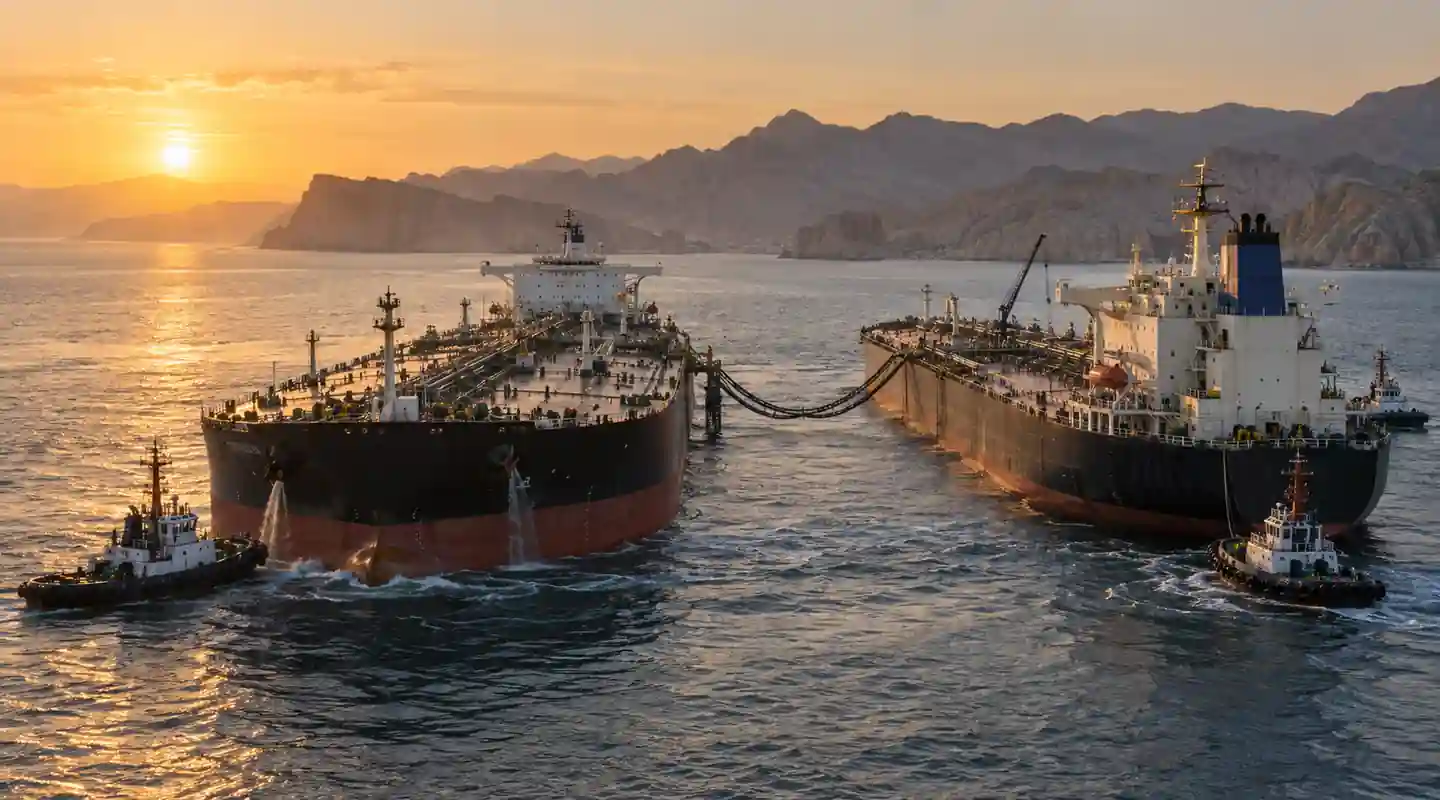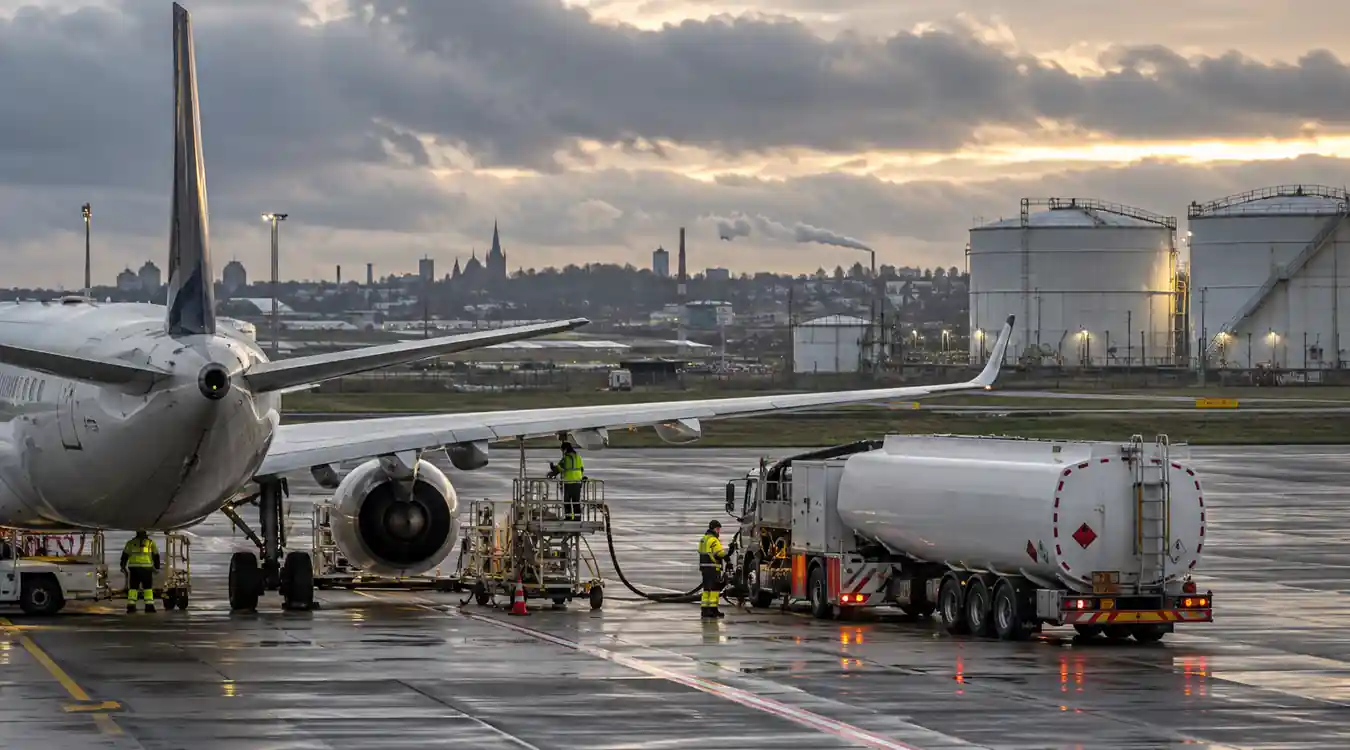

Europe could face a jet-fuel deficit of roughly 510,000 barrels per day in the fourth quarter as Middle East disruption pulls supply chains toward longer routes and new suppliers. The immediate headline is important, but the larger story is how the event changes the operating assumptions around Europe jet fuel deficit.
What happened
Energy Aspects estimated Europe’s fourth-quarter jet-fuel deficit at about 510,000 barrels per day, according to Reuters. South Korea has become an increasingly important supplier as European inventories tighten.
Why the development matters
Jet fuel is globally traded, so regional shortages can be filled if price differences become large enough to attract distant cargoes. The trade-off is higher freight cost, longer lead times and greater exposure to shipping disruption.
The physical system behind the headline
Energy markets ultimately clear through physical infrastructure. Pipelines, ports, tankers, storage, refineries, transmission lines and interconnections determine how quickly supply can respond. That means a market can appear adequately supplied on paper while bottlenecks in transport or grid capacity create sharp regional price signals.
The deeper signal
Airlines can hedge fuel prices, but persistent regional scarcity can still raise operating costs and change route economics. The same middle-distillate tightness can also affect diesel markets, linking aviation costs to broader industrial and transport inflation.
Why markets and operators will care
A single announcement rarely changes an industry by itself. What matters is whether it alters cost, capacity, risk allocation or the speed at which competitors must respond. That is why this story is best tracked through measurable follow-through rather than headline momentum. Capital spending, utilization, financing terms, regulatory filings and counterparties' behavior can confirm whether the change is becoming structural.
What to watch next
European inventories, Asia-Europe arbitrage, tanker rates and airline hedging disclosures will show how much of the supply pressure reaches ticket prices and margins.
Bottom line
The core NexusWild takeaway is not a prediction. It is that Europe jet fuel deficit now has a clearer set of measurable constraints and catalysts. The next update should be judged against those indicators, with new claims separated from confirmed data.
Reader questions
Frequently asked questions
What happened in the Europe jet fuel deficit story?
Energy Aspects estimated Europe’s fourth-quarter jet-fuel deficit at about 510,000 barrels per day, according to Reuters. South Korea has become an increasingly important supplier as European inventories tighten.
Why does this development matter?
Jet fuel is globally traded, so regional shortages can be filled if price differences become large enough to attract distant cargoes. The trade-off is higher freight cost, longer lead times and greater exposure to shipping disruption.
What is the key technical or financial issue?
Airlines can hedge fuel prices, but persistent regional scarcity can still raise operating costs and change route economics. The same middle-distillate tightness can also affect diesel markets, linking aviation costs to broader industrial and transport inflation.
What should readers monitor next?
European inventories, Asia-Europe arbitrage, tanker rates and airline hedging disclosures will show how much of the supply pressure reaches ticket prices and margins.
Nexuswild welcomes factual corrections. Email [email protected] with evidence and the article URL.