
Italy’s Senate has approved legislation establishing a framework for a return to nuclear energy, beginning a long implementation process after decades without domestic reactors. The immediate headline is important, but the larger story is how the event changes the operating assumptions around Italy nuclear power restart.
What happened
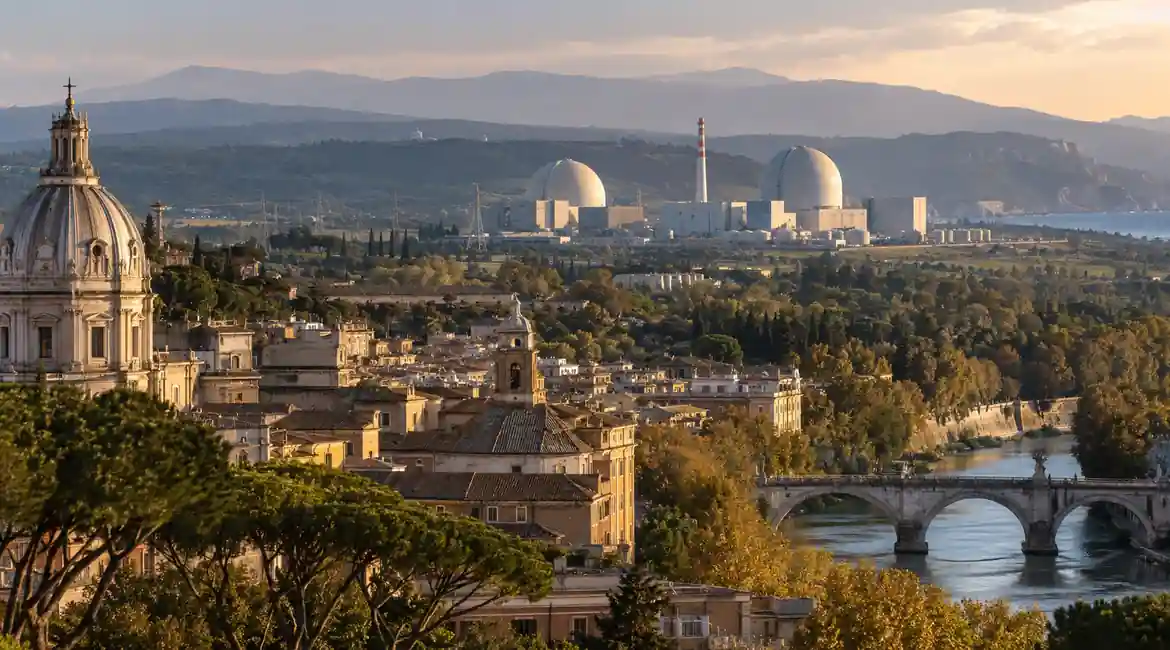
Italy’s Senate gave final approval to legislation establishing a framework for a return to nuclear power, nearly four decades after a referendum led to the shutdown of the country’s reactors. The government must still develop implementing rules.
Why the development matters
A legal framework does not mean reactors will appear quickly. Nuclear projects require technology selection, licensing, financing, waste policy, grid planning, supply chains and public acceptance.
The physical system behind the headline
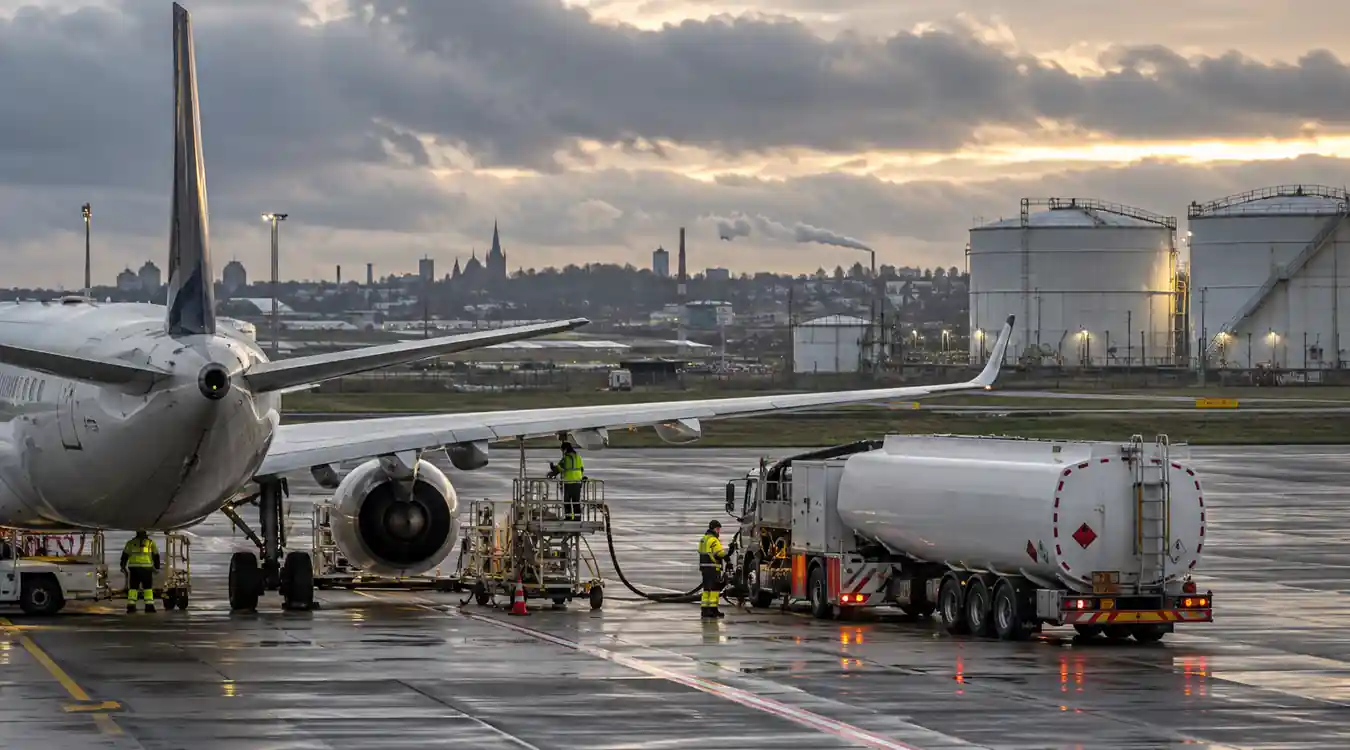
Energy markets ultimately clear through physical infrastructure. Pipelines, ports, tankers, storage, refineries, transmission lines and interconnections determine how quickly supply can respond. That means a market can appear adequately supplied on paper while bottlenecks in transport or grid capacity create sharp regional price signals.
The deeper signal
The policy shift reflects Europe’s broader energy-security debate. Countries are weighing the high upfront cost and long construction cycle of nuclear power against the value of low-carbon generation that can operate independently of weather.
Why markets and operators will care
A single announcement rarely changes an industry by itself. What matters is whether it alters cost, capacity, risk allocation or the speed at which competitors must respond. That is why this story is best tracked through measurable follow-through rather than headline momentum. Capital spending, utilization, financing terms, regulatory filings and counterparties' behavior can confirm whether the change is becoming structural.
What to watch next
Italy’s implementing rules, technology choices, site-selection process and financing model will determine whether the policy change turns into actual projects.
Bottom line
The core NexusWild takeaway is not a prediction. It is that Italy nuclear power restart now has a clearer set of measurable constraints and catalysts. The next update should be judged against those indicators, with new claims separated from confirmed data.
Reader questions
Frequently asked questions
What happened in the Italy nuclear power restart story?
Italy’s Senate gave final approval to legislation establishing a framework for a return to nuclear power, nearly four decades after a referendum led to the shutdown of the country’s reactors. The government must still develop implementing rules.
Why does this development matter?
A legal framework does not mean reactors will appear quickly. Nuclear projects require technology selection, licensing, financing, waste policy, grid planning, supply chains and public acceptance.
What is the key technical or financial issue?
The policy shift reflects Europe’s broader energy-security debate. Countries are weighing the high upfront cost and long construction cycle of nuclear power against the value of low-carbon generation that can operate independently of weather.
What should readers monitor next?
Italy’s implementing rules, technology choices, site-selection process and financing model will determine whether the policy change turns into actual projects.
Nexuswild welcomes factual corrections. Email [email protected] with evidence and the article URL.