
Chinas CXMT Expands DRAM Technology as Global Memory Competition Intensifies
Chinese memory‑chip company ChangXin Memory Technologies (CXMT) is improving its production technology and looking into product categories. This puts pressure on established memory suppliers because demand for chips used in smartphones, computers and artificial intelligence infrastructure stays high.
The company has announced production of its fifth‑generation DRAM technology platform called G5. Separately industry reports say CXMT is aiming for a year‑end launch of server‑grade DDR5 memory that uses a memory‑cell architecture. Reuters also reported that the company plans to set up a research‑and‑development production line for NAND flash memory in Beijing.
These developments are part of China’s effort to strengthen domestic semiconductor manufacturing and reduce reliance on overseas suppliers. They also come at a time when demand for memory used in AI servers is putting pressure on portions of the supply chain.
CXMT’s progress does not mean that it has caught up with every technology offered by competitors. However better manufacturing capacity and a wider product range could slowly change the competition in memory markets.
G5 platform marks a production milestone
CXMT announced the production of its fifth‑generation DRAM platform in September 2026. At the World Manufacturing Convention in Hefei the company introduced LPDDR5X products that are based on the platform and described the process as a step toward more competitive memory manufacturing.
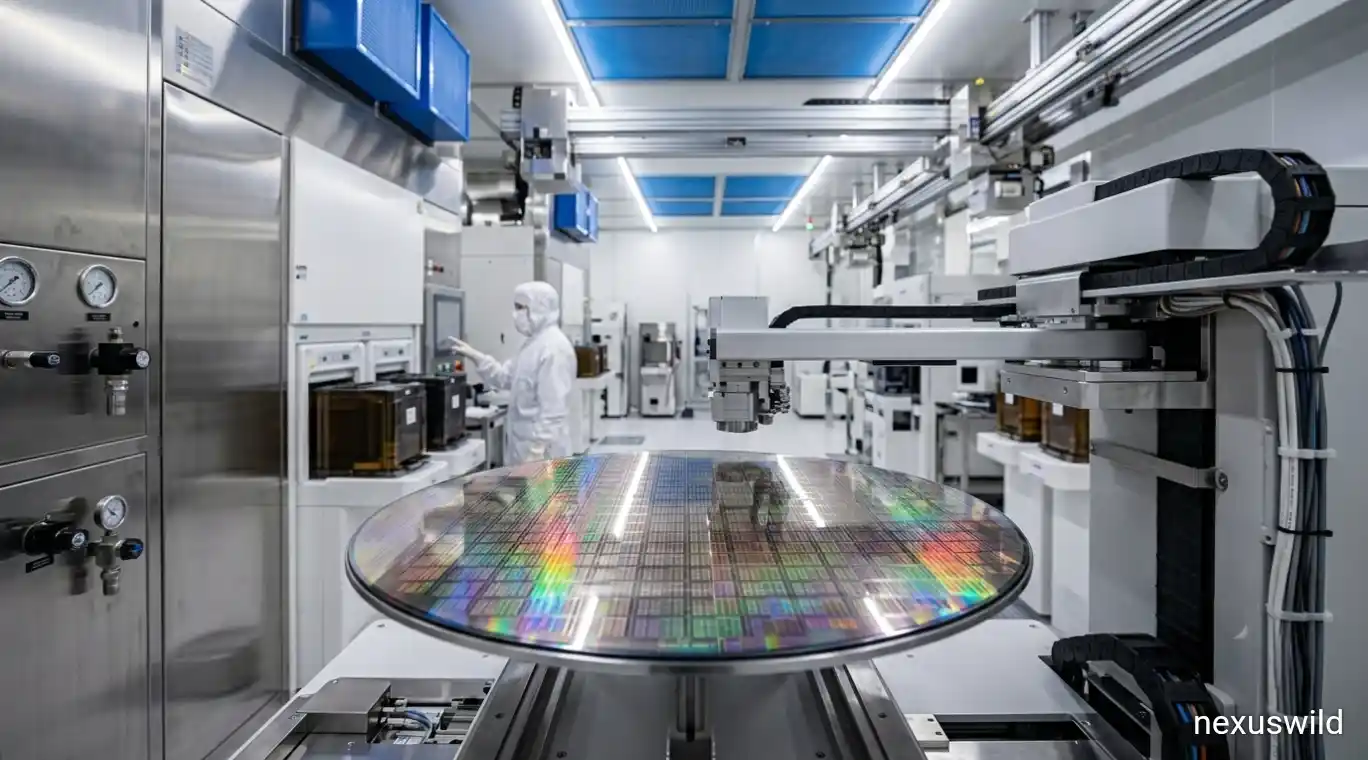
According to CXMT the G5 platform uses an active‑area half‑pitch of 11.95 nanometers and a capacitor aspect ratio of 45:1. The company also said that its manufacturing improvements could raise the number of dies produced per wafer compared with its generation. These figures are company‑reported specifications and should not be taken as independent confirmation that CXMT matches the performance, yields or cost structure of leading global producers.
DRAM or dynamic random‑access memory provides working memory for electronic devices. It is used in smartphones, personal computers, servers and other systems that need access to data.
The G5 announcement is significant because better manufacturing can help a chipmaker produce memory from a given amount of wafer capacity. If those improvements lead to yields and competitive production costs they can support larger shipments and broader customer adoption.
Still entering production is only one stage of commercial success. Suppliers must also show quality meet customer qualification requirements and deliver enough volumes.
Server memory could open a competitive front
CXMT is also pursuing a denser DRAM architecture called 4F² which aims to reduce the space taken up by each memory cell.
TrendForce reported on October 12 that CXMT was speeding up the development of server‑grade DDR5 registered dual‑in‑line memory modules or RDIMMs that are based on the architecture. The launch is planned before the end of 2026. The report cited coverage of comments by CXMT’s president at an industry conference.
Server memory is a market because data centres need large amounts of reliable DRAM to support cloud computing, enterprise applications and AI workloads. Demand for memory has grown as operators build infrastructure to train and run increasingly demanding AI systems.
A successful CXMT server‑memory product could give equipment manufacturers another source of supply. It could also increase pressure on established suppliers, especially in conventional server DRAM segments.
However high‑end data‑centre customers generally need testing before adopting a new memory supplier. Reliability, compatibility, performance, power consumption and long‑term availability all influence purchasing decisions.
A product announcement or planned launch therefore does not guarantee that major international server manufacturers will immediately adopt CXMT memory at scale.
NAND flash plans would broaden CXMTs business
Beyond DRAM CXMT is preparing to explore NAND flash memory, which serves a purpose in electronic devices.
DRAM provides working memory whereas NAND flash retains data when power is switched off. NAND is widely used in drives, smartphones, memory cards and data‑centre storage products.
Reuters reported in September that CXMT planned to set up a NAND research‑and‑development production line at a facility in Beijing. The report, based on sources with the company’s plans said CXMT had talked about potential applications with customers including storage products meant for AI systems and supercomputers. The operating timeline and prospects for large‑scale manufacturing were not clear.
Entering NAND could broaden CXMT’s market and reduce its dependence on DRAM. It would also put the company in a direct contest with suppliers such, as Samsung Electronics, SK Hynix, Micron and China’s Yangtze Memory Technologies.
Developing NAND at a scale would need investment in process technology, manufacturing capacity, product validation and customer relationships. Research activity alone does not ensure a product or quick market entry.
Market share and pricing remain questions.
CXMTs expansion has attracted attention because the global memory market is concentrated among a group of major suppliers.
TrendForce figures cited in reporting placed CXMT at 9.5 percent of global DRAM revenue in the second quarter of 2026 up from 7.6 percent in the previous quarter. That figure measures revenue share, not the physical proportion of all DRAM chips manufactured worldwide.
If CXMT expands output and wins customers CXMTs presence could give buyers more sourcing options. Greater competition may put pressure on prices in some product categories, especially where different suppliers offer specifications.
The effect is unlikely to be uniform across the market. Conventional DRAM, memory, server modules and high‑bandwidth memory have different technical requirements and competitive dynamics. A supplier gaining ground in one segment does not become a rival in every other category.
Prices will also depend on supply and demand. AI infrastructure investment creates demand for certain types of memory. Manufacturers must decide how capacity to allocate to different products. Additional production can ease shortages. The timing and scale of that effect depend on actual output and customer adoption.
Geopolitics adds another layer of uncertainty.
CXMTs progress also has implications for semiconductor policy.
China has supported domestic chip manufacturing through semiconductor funding and local‑government investment. The aim is to develop capabilities in important technologies and reduce exposure to foreign supply restrictions.
At the time US export controls and broader geopolitical tensions continue to influence access to advanced semiconductor equipment and technologies. Reuters has described these restrictions as one factor encouraging China’s efforts to build a self‑reliant memory‑chip industry.
Further advances by memory manufacturers could intensify debate in the United States and other countries over equipment exports, investment screening and supply‑chain security. Any policy changes would depend on government decisions. Should not be assumed simply because CXMT has announced a new product or manufacturing milestone.
For electronics companies the practical question is how to balance cost, performance, supply security and regulatory exposure when choosing memory suppliers.
What to watch next.
The important indicators will be CXMTs actual production volumes the commercial availability of CXMTs planned server‑grade DDR5 modules, independent assessments of CXMTs manufacturing performance and progress on the proposed NAND development line.
Customer qualification will be particularly important. If computer, server and device manufacturers begin adopting CXMT products in volumes CXMT could become a more influential participant in global memory supply.
For now CXMT has demonstrated progress in DRAM manufacturing. Outlined plans to broaden its technology portfolio. But market leadership will depend on more, than announcements: consistent production, competitive economics, reliable products and sustained customer demand will determine how far CXMT can challenge established suppliers.
The next development to watch is whether CXMT converts its DRAM technology and planned server‑memory products into meaningful commercial shipments while advancing CXMTs NAND research programme.
Nexuswild welcomes factual corrections. Email contact@nexuswild.com with evidence and the article URL.