
IMF Managing Director Kristalina Georgieva said on October 12, 2026 that strong investment in artificial intelligence infrastructure is keeping global growth near 3% even as an energy supply shock weighs on the world economy. The "shift into higher gear" in AI spending is what sustains that pace, she told the opening of the IMF and World Bank annual meetings in Bangkok, Reuters reported.
The IMF's updated World Economic Outlook is due Tuesday. Until then, the latest published forecast is its July update: global growth of 3.0% in 2026 and 3.4% in 2027, down from an average of 3.5% in 2024 and 2025.
Two shocks pulling in opposite directions
The July update describes two forces. The first is a negative supply shock from the war in the Middle East. The second is a positive technology shock, driven largely by AI.
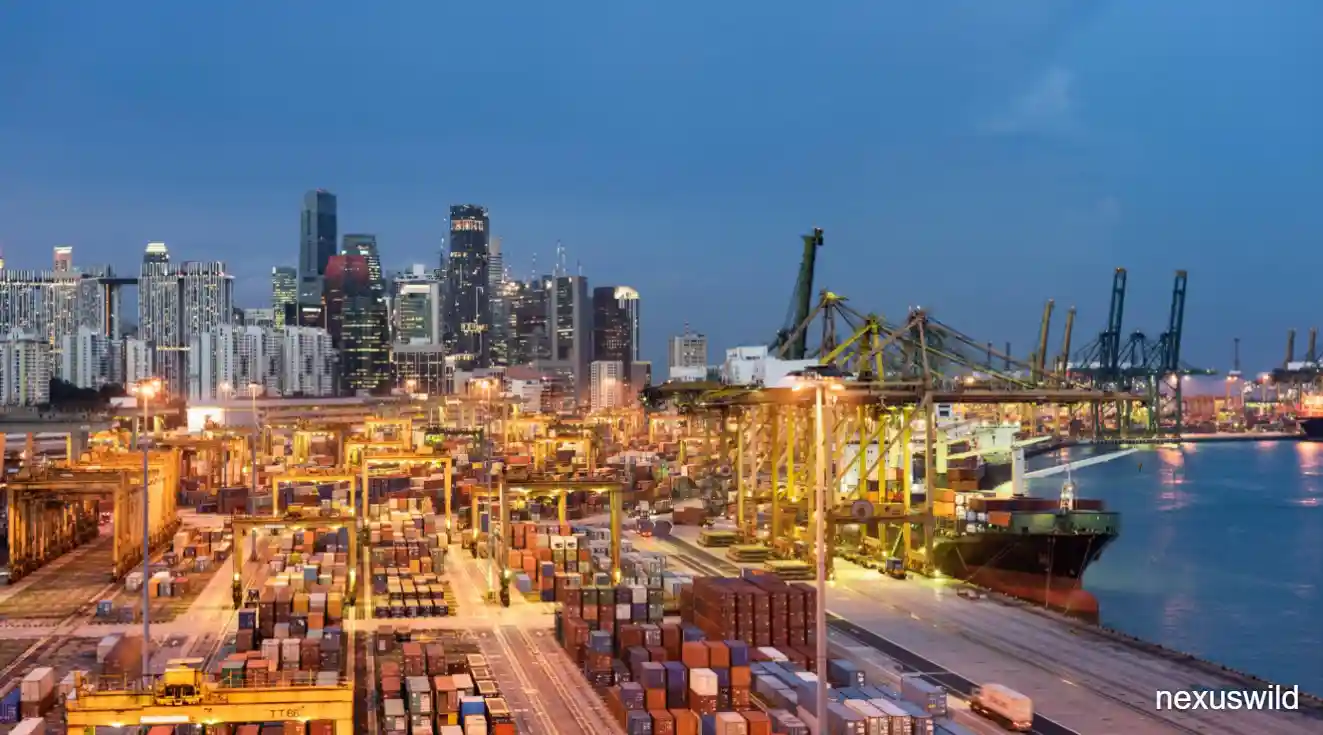
On energy, the IMF said prices were roughly 25% above pre-war levels. It projected oil at an average of $89 a barrel in 2026, 32% higher than in 2025. Global headline inflation was projected to rise to 4.7% in 2026 from 4.1% in 2025, which the Fund said meant the disinflation trend in place since 2024 had stalled.
Where AI shows up in the data
Global growth in the first quarter of 2026 was 3.0% on an annualized basis, above the 2.7% the IMF forecast in April. Much of that surprise was concentrated in economies tied closely to the technology supply chain.
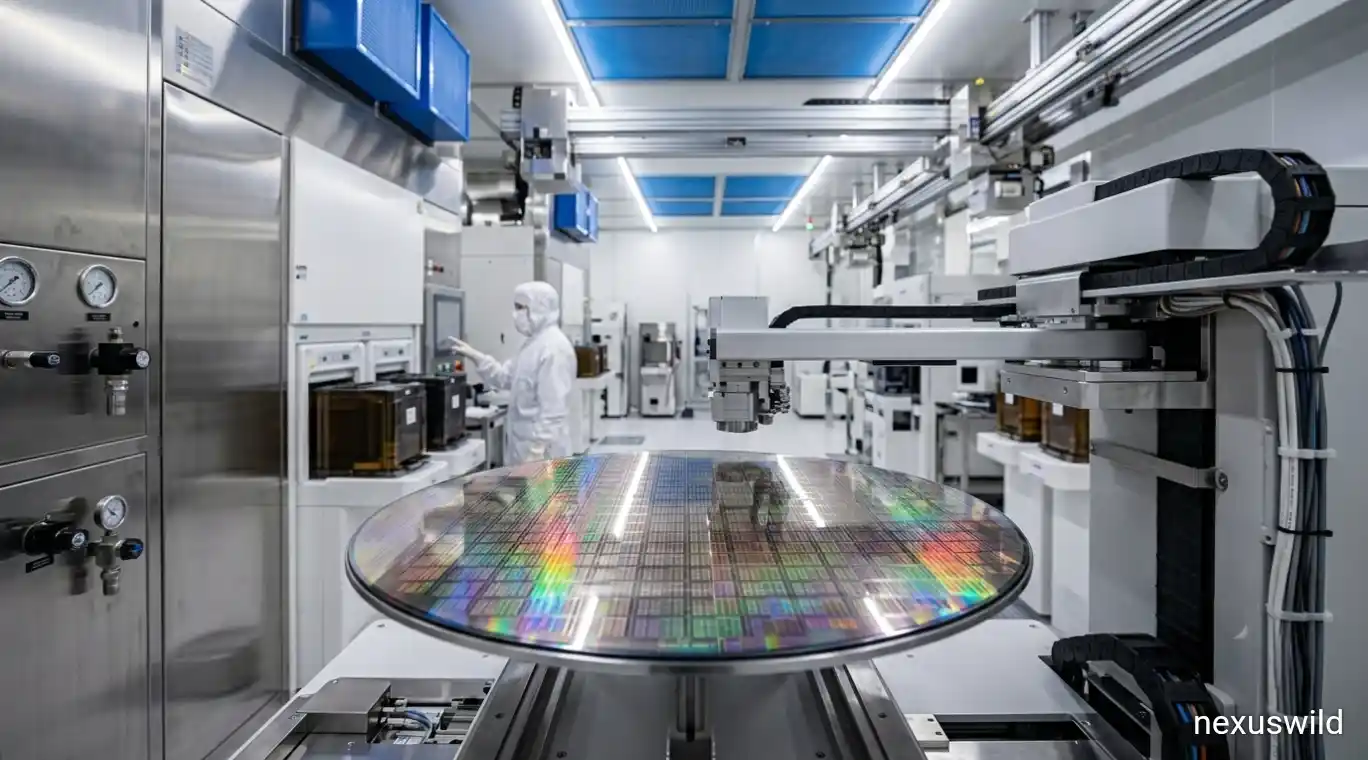
The four largest net exporters of AI hardware, which are Taiwan, Korea, Thailand and Malaysia, beat forecasts by an average of 4.4 percentage points. The rest of the world missed by 0.3 percentage point. Korea grew 7.5% against the 1.8% the IMF had projected in April, even though it relies heavily on Middle East energy imports.
In the United States, the IMF said technology-related business investment helped support growth of 2.3% in 2026, with only limited impact from the war because the country is a net energy exporter.
Georgieva said the AI boom was already delivering a "demand shock, an investment shock." She estimated it could lift growth by half a point to a full point in advanced Asian economies, and by 0.2 to 0.8 percentage point in emerging Asia.
An uneven cushion
The July update said activity weakens for energy importers with limited participation in the technology chain, a group that includes many low-income countries. Growth in the Middle East and Central Asia was projected at 0.7% in 2026, down 1.2 points from April.
By contrast, Vietnam's 2026 forecast was raised by 0.4 point to 7.5% on stronger technology exports, and Thailand's was raised by the same amount to 1.9%. Malaysia was projected at 4.7%, helped by data center activity.
Singapore's President Tharman Shanmugaratnam warned at the same event that AI could widen the gap between developing and advanced economies if governments are too passive.
Georgieva also said AI could augment, downgrade or eliminate 40% of jobs over time, and that an initial study found 10% of US jobs already require AI skills.
What the IMF assumes, and what it fears
The July baseline assumes the AI-driven technology cycle moderates and gives no extra boost to productivity growth. The Fund described the risks as two-sided.
Faster deployment of AI could strengthen medium-term growth. But if expectations about AI profitability and productivity are revised down, the IMF said, technology investment could retrench abruptly and stretched equity valuations could correct sharply. It said such a repricing could tighten financial conditions and weaken activity beyond the technology sector. It also noted that strong AI-driven demand adds upward pressure on prices.
Equity markets have become more concentrated in AI stocks, the IMF said, with markets that have large AI exposure, including Japan, Korea, Taiwan and the United States, outperforming in the second quarter.
The energy side of the risk
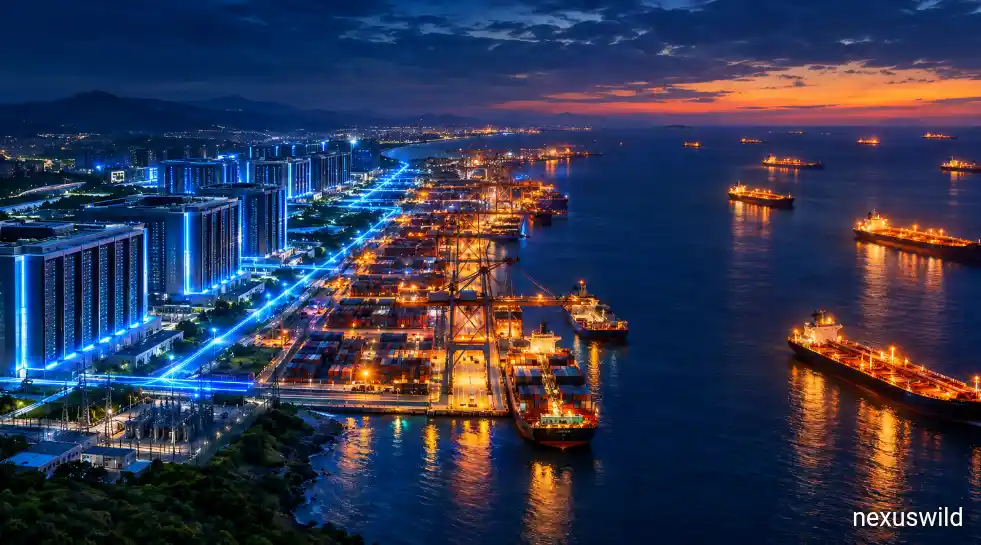
The IMF said inventories that had cushioned oil prices were approaching multiyear lows and could reach stress levels if supply disruptions persisted. Its July forecast assumed the Strait of Hormuz would begin reopening in mid-July, with conditions broadly normal by March 2027. The October update will show how the IMF now sees that assumption.
How the investment is funded
The spending behind this growth is increasingly financed with debt. Reuters reported on September 10 that Alphabet, Amazon, Meta, Microsoft and Oracle had issued roughly $220 billion of bonds to fund data centers. On October 12, Bloomberg reported that China's Tencent was preparing a roughly $5 billion dollar and yuan bond sale that it told investors would mainly fund AI-related capital spending.
What to watch on Tuesday
The new forecast will show whether the IMF still treats AI as a net support for growth, how it weighs the correction risk it flagged in July, and whether the gap between technology-chain economies and energy importers has widened. Those are the questions to track, not predictions of the answer.
Nexuswild welcomes factual corrections. Email contact@nexuswild.com with evidence and the article URL.