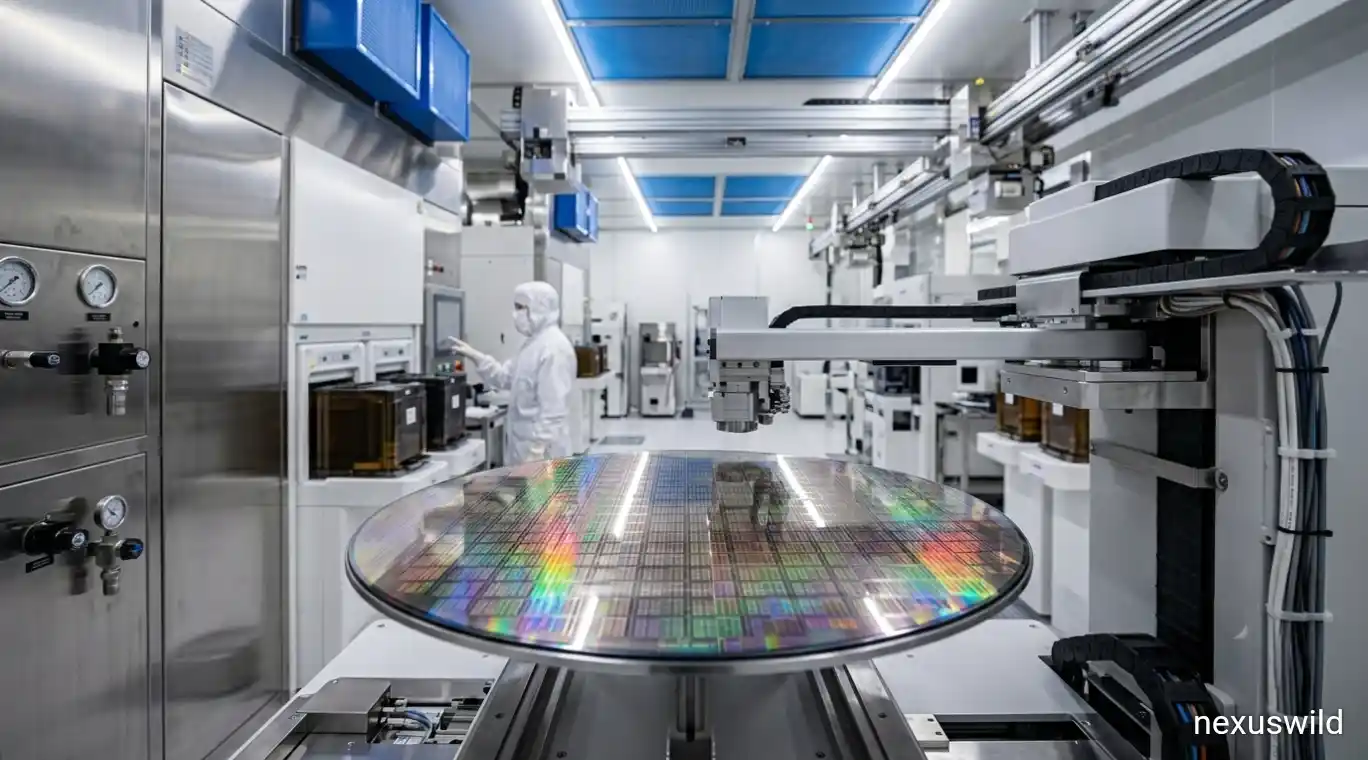

Tencent Holdings is preparing a bond sale of about $5 billion in US dollars and offshore yuan, Bloomberg reported on October 12, 2026. The company told fixed-income investors the money will mainly help finance AI-related capital spending, people familiar with the matter said.
The details come from unnamed sources, not a Tencent announcement. Bloomberg said Tencent could price the deal as early as Tuesday. The plan includes $1.5 billion to $2 billion in dollar tranches and 20 billion to 25 billion yuan, or $3 billion to $3.7 billion, in offshore yuan notes.
Bloomberg first reported on October 8 that Tencent was weighing the sale. Tencent shares fell 1.57% to HK$414 that day, against a 1.3% decline in the Hang Seng Index, Investing.com reported.
What "dual-currency" means
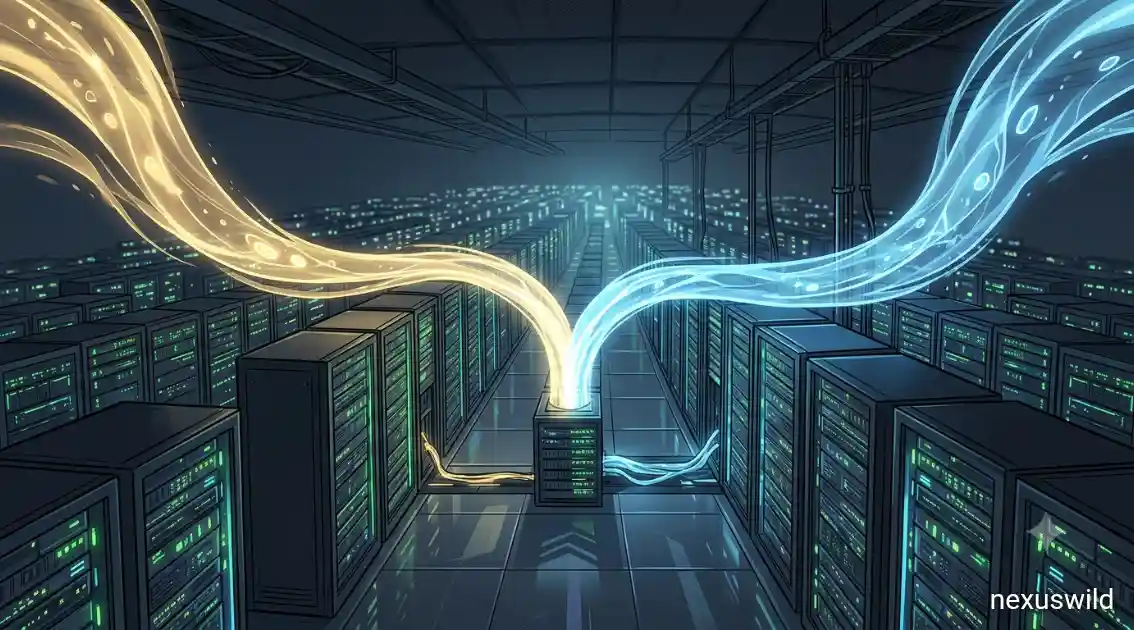
A dual-currency offering sells bonds in two currencies at once. Dollar bonds reach international investors. Offshore yuan bonds, sometimes called dim sum bonds, appeal to buyers who want yuan exposure. They also let a company that earns mostly in yuan borrow in that currency.
Tencent used the structure in June. On June 9, it raised $4.66 billion across four tranches: $2.45 billion in 10-year and 20-year dollar bonds, and 15 billion yuan in 10-year and 30-year notes, Reuters reported. Orders exceeded $17 billion, and pricing tightened on all four tranches. It was Tencent's first dollar bond since April 2021. The yuan coupons were 2.50% and 3.10%. Before that, Tencent's last move in global bond markets was a 9 billion yuan offshore bond in September 2025.
Why the funding need
Tencent's second-quarter results, published on August 12, show the pressure. Revenue rose 11% to RMB 204.8 billion. Capital expenditure rose 176% from a year earlier to RMB 52.8 billion, about $7.8 billion, CNBC reported. Operating cash flow of RMB 52.7 billion was outweighed by RMB 59.3 billion of capital spending payments, leaving negative free cash flow of RMB 13.8 billion.
On the earnings call, Tencent said the spending supports its Hunyuan AI models, inference demand and AI features across its products. Marketing services revenue rose 22% to RMB 43.6 billion, helped by an AI-driven ad recommendation model, CNBC reported.
The company remains profitable. Its adjusted net profit attributable to shareholders rose 9% to RMB 68.4 billion. On an IFRS basis, it was RMB 56.0 billion, up 0.7% and below analyst expectations, CNBC reported. Executives said they expect "superior" returns from the AI investment.
Borrowing to fund investment is common for profitable companies. The question for investors is how quickly the spending turns into revenue and cash.
Part of a wider capital race
Tencent is not alone, and Reuters has noted that technology companies are tapping debt markets for AI despite growing concerns about the sector's stability. Reuters reported on September 10 that Alphabet, Amazon, Meta, Microsoft and Oracle had issued roughly $220 billion of bonds to fund data centers. S&P Global Ratings estimates the group will spend about $750 billion on capital expenditure in 2026, equal to 38% of their combined revenue, according to a summary of its analysis.
Demand is not unlimited. Fortune reported in July that Amazon had to offer extra yield on its longest-dated bonds in a $25 billion sale, with orders at 2.5 times the amount offered, down from 3.2 times in March.
Borrowing costs are also high. The 10-year US Treasury yield closed at 5.22% on October 8, according to Federal Reserve data. That same day, Oracle fell 5.5% and Broadcom 4.4% amid concerns about the financing needed for large AI infrastructure projects, Yahoo Finance reported.
What to watch
Several facts are still unknown: the final size, the split between dollars and yuan, how pricing compares with June, and the size of the order book.
The reported plan already differs from June's deal. The dollar portion of $1.5 billion to $2 billion is below June's $2.45 billion, while the yuan portion of 20 billion to 25 billion yuan is above June's 15 billion.
Term sheets for the June deal described the proceeds as general corporate purposes, including refinancing, Reuters reported. Whether the October documents use the same language will show how formally the AI spending is tied to the debt. The link to AI capital spending so far comes from Bloomberg's sources.
What it signals
Tencent's move shows the AI buildout spreading from US hyperscalers to Asian platforms, with bond markets joining internal cash as a funding source. Whether investors keep absorbing this supply on current terms is the open question. The order book for Tencent's deal will be an early reading.
Nexuswild welcomes factual corrections. Email contact@nexuswild.com with evidence and the article URL.