
China Tightens EV Battery and Vehicle Safety Rules Forcing Automakers to Prepare for Major Compliance Changes
China is strengthening its EV safety framework with national standards that focus on battery performance, collision protection and vehicle emergency‑access systems. These regulatory changes bring testing requirements for manufacturers and could shape how automakers design future EVs for the Chinese market.
These developments are very important because China is one of the worlds EV markets and a key manufacturing hub for battery technology, automotive parts and electric mobility.
Two regulatory changes stand out: the updated GB 38031‑2025 power battery safety standard, July 1 2026 and a separate national standard for automotive door handles effective January 1 2027.
Together these measures show an effort to tackle safety risks that come with more sophisticated EV architectures.
Updated Battery Safety Requirements Introduce More Demanding Testing
Chinas updated standard, GB 38031‑2025 called Safety Requirements for Power Batteries Used in EVs replaces the earlier GB 38031‑2020 version.
Published March 28 2025 the revised standard took effect July 1 2026.
One key change is propagation testing. The new requirements strengthen the assessment of how battery systems react to events and add clearer testing conditions and safety monitoring rules.
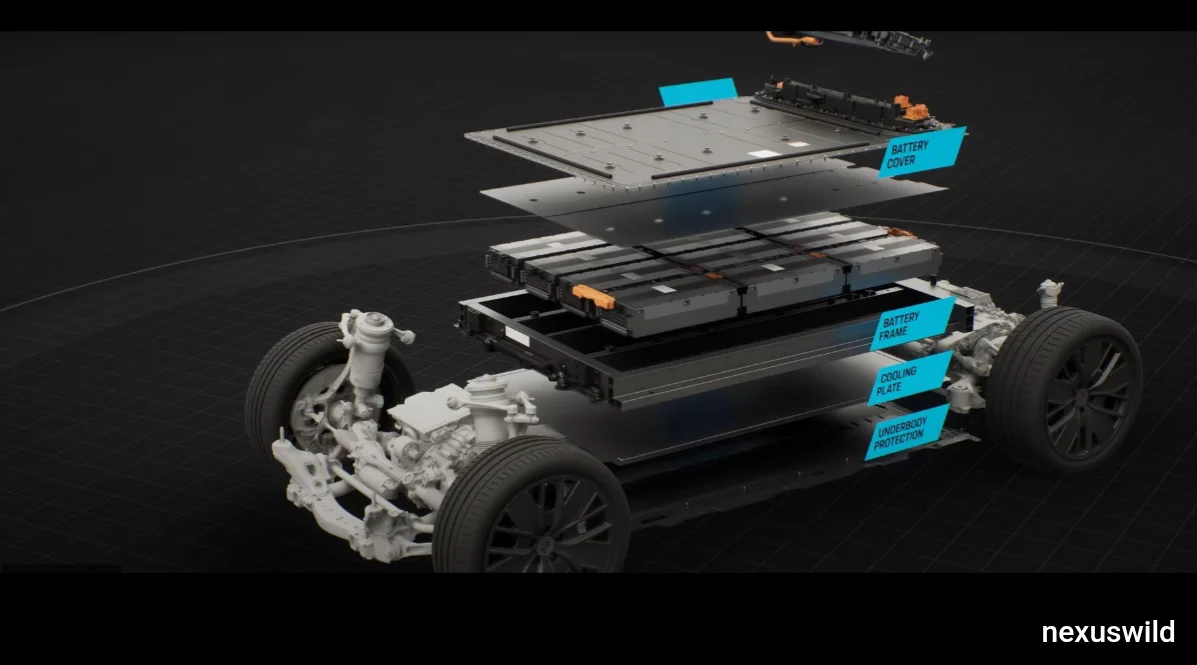
The standard also adds an underbody impact test to evaluate how well battery systems are protected when the vehicle’s underside is hit.
This requirement matters a lot for EVs because battery packs are often built into the vehicle floor. Damage here can cause safety problems so structural protection is a key part of vehicle design.
Another important addition is battery safety after fast charges. Under the rules batteries must pass an external short‑circuit test after 300 fast‑charging cycles and the test must not cause fire or explosion.
These rules put focus on battery durability and safety in tough operating conditions instead of only using traditional tests.
Mechanical Door Releases Become a Separate Regulatory Priority
Battery protection is not the area that Chinese regulators are focusing on.
China has also set a national standard for automotive door-handle safety called GB 48001‑2026.
The standard will start on January 1 2027. It requires mechanical emergency‑release features for vehicle doors tackling worries about hidden door-handle systems.
Modern EVs often use flush‑mounted or electronically activated handles to make the car more aerodynamic and to give it a look.
However these systems can cause problems in emergencies if power or electronic door mechanisms fail after a crash or battery incident.
The new rules aim to make sure that vehicle occupants and emergency responders have a mechanical way to open doors.
This development could make manufacturers rethink some design choices and interior emergency‑release setups.
International Automakers Face Additional Compliance Considerations
China’s regulatory changes matter to both manufacturers and international automakers in the country.
Companies like Tesla and General Motors plus major Chinese EV makers must follow national safety rules when designing and selling vehicles in China.
For automakers compliance is not about passing a final vehicle inspection. It can affect choices during engineering and manufacturing.
Battery makers may need to strengthen structures, thermal management systems and battery monitoring tools. Vehicle makers must also check underbody protection. Make sure emergency‑access mechanisms meet the safety rules.
These changes could raise engineering costs testing needs and product‑development complexity for vehicle platforms that were first built with other safety rules.
However the real cost will depend on manufacturers’ technologies, vehicle designs and the changes needed for compliance.
Implications for the Global EV Supply Chain
China’s framework could affect more than just its own automotive industry.
International automakers often build vehicle platforms and parts for markets. When big markets set safety rules manufacturers must decide whether to create market‑specific models or add stricter specs to general platforms.
Battery suppliers, electronic component makers, automotive engineering firms and testing groups could face demand for compliance development and validation work.
China’s role, in the global EV manufacturing world gives its rules a lot of industry importance.
Nevertheless the introduction of Chinese requirements does not automatically set a worldwide regulatory standard. Other governments and automotive regulators will decide based on laws, technical needs and vehicle safety priorities.
How much these Chinese standards will influence regulations will become clearer as other markets look at similar vehicle safety concerns.
Manufacturing Costs and Long-Term Safety Considerations
Stricter safety requirements can bring short‑term operational challenges.
Manufacturers may need to invest in battery testing facilities, structural engineering, better thermal protection, mechanical emergency‑release systems and more certification procedures.
Suppliers could also face pressure to redesign components or show that existing products meet the updated requirements.
Smaller manufacturers may experience difficulties if smaller manufacturers lack the engineering resources and testing infrastructure that larger automotive groups have.
However stronger safety requirements can also encourage consistent engineering practices and build confidence in electric vehicle technology.
For consumers the intended benefitsre improved battery protection and more reliable access to vehicles during emergencies.
The long‑term effectiveness of these measures will depend on implementation, testing quality, enforcement and manufacturers’ ability to keep compliance throughout vehicle production.
Safety Compliance Becomes an Important EV Competition Factor
Chinas updated battery and automotive safety standards show how regulatory requirements are becoming an increasingly important part of electric vehicle development.
The implementation of GB 38031‑2025, in July 2026 brings demanding battery safety assessments while the upcoming mechanical door‑release requirements scheduled for January 2027 address another important aspect of emergency vehicle safety.
For international automakers these developments mean that vehicle design, battery engineering and regulatory compliance will stay closely connected.
The next important development to watch is how manufacturers adapt their vehicle platforms and whether other major automotive markets introduce safety requirements.
Nexuswild welcomes factual corrections. Email contact@nexuswild.com with evidence and the article URL.