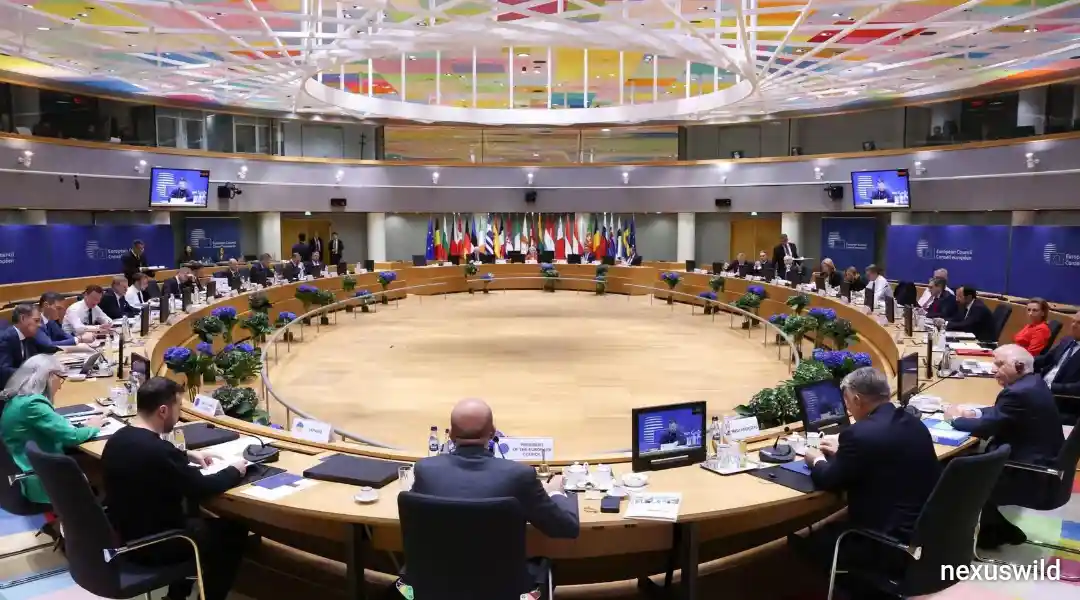

EU leaders are gathering in Dublin on November 13 2026 for the first time to have a special talk about artificial intelligence at the level of top government officials. This informal meeting of the European Council brings together leaders from the 27 EU countries to look at how Europe can become stronger in the AI field while dealing with the effects of this technology on the economy, society and security.
European Council President António Costa is leading the meeting. It is being held by Irish leader Micheál Martin during Irelands turn as head of the European Council.
The talks are happening because governments are seeing intelligence as a key part of the economy. Advanced chips, cloud systems, computing power and top AI models are becoming more important for industry, public services and safety.
The Dublin meeting gives EU leaders a chance to talk about these issues and think about what choices Europe needs to make.
Europes AI strength and tech independence
The main topic of the meeting is where Europe stands in the AI scene. European officials have said they are worried about depending on companies from outside Europe for digital tools.
The official list of things to discuss includes reducing reliance on sources across the AI chain making Europes AI better and building the tools needed for advanced AI systems.
These dependencies affect parts of the technology world:
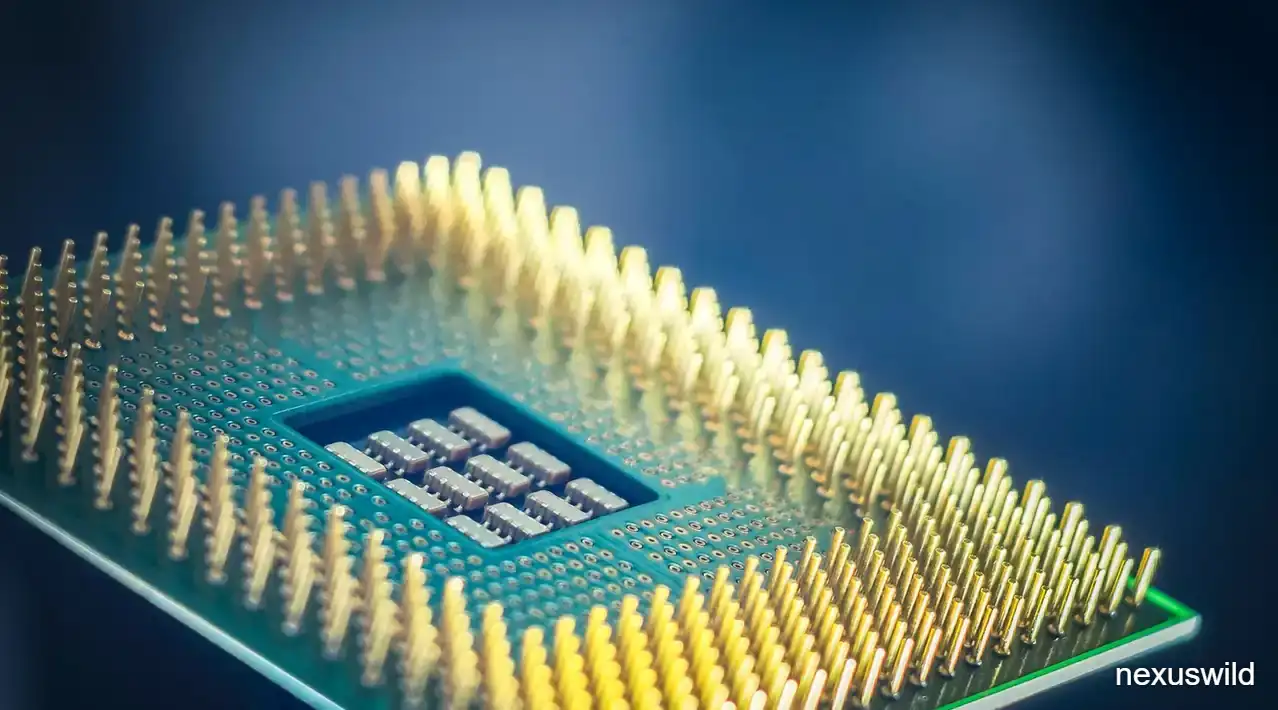
- Chips: Advanced processors are needed to train and run big AI models.
- Cloud services: Data centers and cloud systems give the computing power that businesses and public services need.
- AI models: European developers are trying to keep up in making advanced models and special AI systems.
- Energy: Big computing places need steady and cheap electricity.
- People and research: Universities, research centers and tech companies need smart people and money.
The meeting will also include a talk with Arthur Mensch, who runs a French AI company called Mistral AI. His input gives a business view on Europes ability to make AI models and build a better tech scene.
The meeting will also look at how AI can be used in businesses and public services.
InvestAI and the money problem
Investment is a part of Europes AI plan.
The European Commission started the InvestAI plan in February 2025 to get €200 billion into AI. This includes a proposal for a €20 billion fund for AI factories big computing places meant to help with AI models.
These plans are part of the EUs effort to improve computing tools and get more private money into the AI world.
Getting the money needed is still a big problem. Building data centers needs a lot of money, special chips, good electricity and steady business demand.
Europe also has to compete with the US and China where big companies have already put a lot into AI tools and systems.
The Dublin meeting is a chance for leaders to think about how public money, private investments and working together can help the region.
The numbers €200 billion and €20 billion are already. Not new money agreed at the meeting.
Geoffrey Hintons involvement highlights AI safety
Another big talk is about the impact of AI on society including safety, security and trust.
Professor Geoffrey Hinton, a Nobel winner and AI expert is joining the leaders in these talks.
According to the meeting plan the discussion will cover basic rights, protection for kids, democracy, jobs, market power and security issues like cyber problems.
These topics show that the effects of AI go beyond money.
AI systems are being used more in workplaces, public services, schools, banks and media. Their use brings up questions about who's responsible how things are done, privacy and how automated systems might affect important choices.
Job changes are another worry. AI tools can do some jobs. Change the skills needed in different areas. This can help with productivity. Also needs workers and groups to change.
The EU needs to make rules that handle these problems without stopping research, new ideas or proper business use.
AI tools and the need for energy
Computing tools are becoming a big part of the global AI race.
Training and running AI systems needs a lot of computing power, data centers and electricity. As the need for computing grows, energy availability and costs are important for investment decisions.
The European Councils guide says that cheap clean energy and big public and private investments are needed to build Europes AI tools.
This links digital industry plans with the energy plan in the region.
Countries wanting to get data center investments must think about electricity, grid capacity, connections, land and the effect on the environment.
For companies getting good computing resources could affect where AI research, model building and business uses happen.
Rules and Europes digital plan
The meeting is happening while people are still talking about how Europe should control AI and digital services.
The EU has rules to handle risks from AI protect rights and set rules for different types of tech companies.
At the time European businesses and tech people have said the rules are too hard to follow and need a lot of resources.
The Dublin plan lists competitiveness, safety, trust and security as topics. It doesn't make a set of rules or agree to simplifying the old ones.
The main challenge is to make a situation where European companies can create and use AI tools while keeping safe for users and society.
Competition with the US and China
Europes AI plan is growing in a world where tech's more and more competitive.
The US has tech companies, lots of private cash and old cloud and chip systems. China has also grown its AI skills and tech supply chains.
European leaders are worried that depending on companies might stop the region from controlling important tools and keeping value from AI-driven growth.
Making European AI companies stronger giving access to computing power and encouraging more businesses to use AI are important parts of the plan.
Tech independence does not mean cutting off from the world. Europes job is to mix dependences while staying connected to global research, money and tech markets.
What companies and investors should look for
The Dublin talks may give signals for companies in AI, chips, cloud, energy and software.
Investors will be watching to see details about the AI tools plans, how public money is used and what is needed for private business.
European AI creators might get help with computing power and research while data center and energy companies might find new chances if more tools are built.
For companies using AI the key issues are getting computing knowing the rules keeping safe from cyber threats and having skilled workers.
The meeting itself should not be seen as a sign that new money, rules or approvals have already been agreed.
Europes next steps in the AI race
The Dublin meeting is a political talk about the future of AI in Europe. By bringing together leaders, a business boss and an AI researcher the talks link industry strength with issues like safety, rules and trust.
The EU has already started plans for money and rules. The next step is to make these work: building tools helping companies compete improving access to computing and getting more businesses to use AI.
What comes out of the meeting will show how European leaders plan to handle these goals in the years
For Europe the big question is not about controlling AI. It's also about building the industry, tech and energy bases needed to be part of the AI world.
Source note: This report uses the European Councils meeting plan President António Costas invitation letter, the AI guide, European Commission investment papers and Reuters news, from November 13 2026.
Nexuswild welcomes factual corrections. Email contact@nexuswild.com with evidence and the article URL.