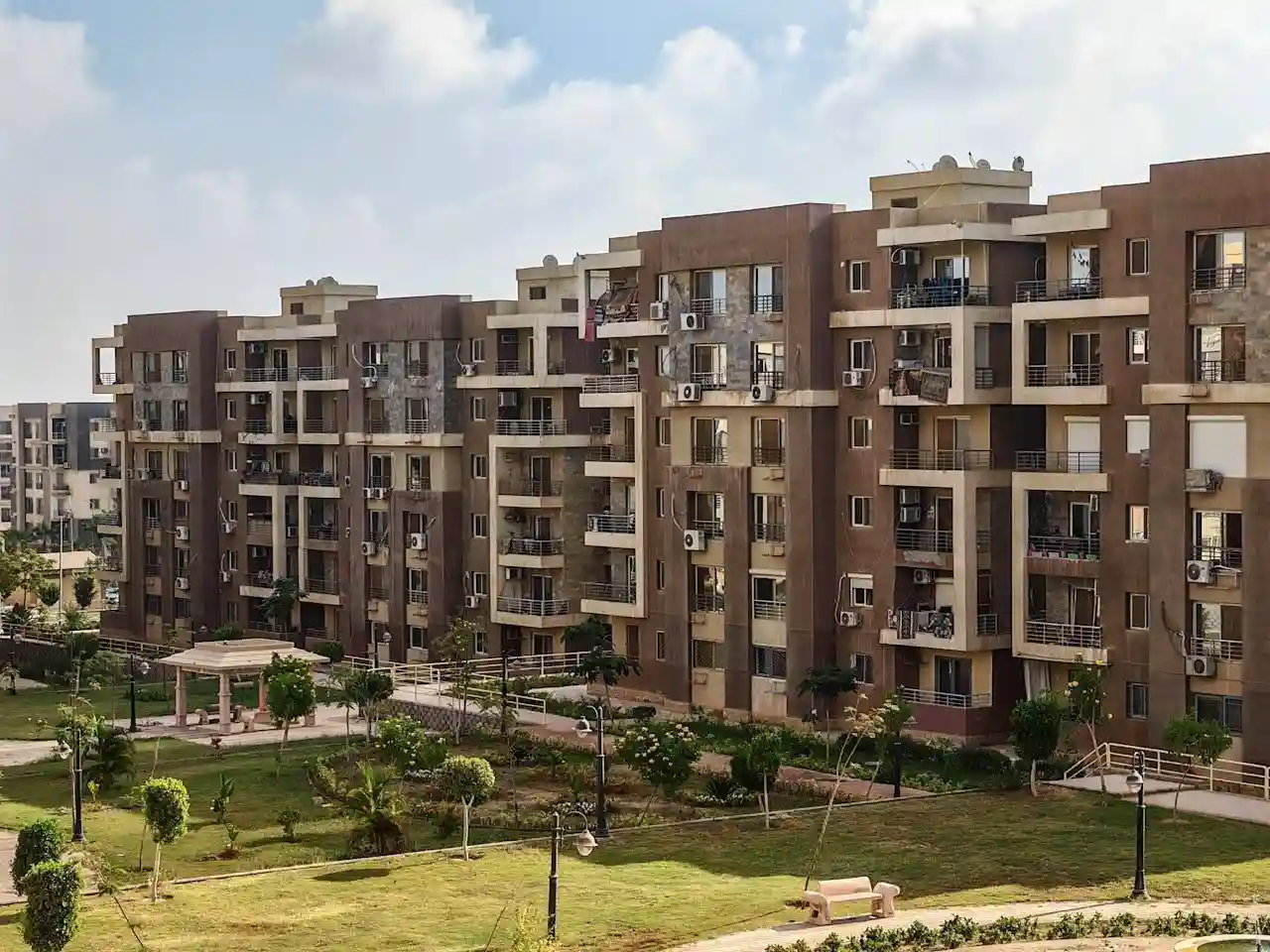

The Indian real estate sector is entering the highly anticipated festive season with a distinct shift in market dynamics. Historically, the period spanning from Navratri to Diwali serves as a crucial barometer for the housing sector, characterized by a flurry of new project launches, targeted developer incentives, and peak transactional volumes. As the 2026 festive quarter unfolds, macroeconomic indicators and consumer sentiment surveys point toward a residential market that is remarkably resilient, yet fundamentally evolving.
Today’s prospective homebuyer is vastly different from the buyer of the previous decade. While the foundational aspiration for homeownership remains deeply entrenched in the Indian consumer psyche, the approach to purchasing a property has become highly analytical, cautious, and selective. Following consecutive quarters of hardening capital values and elevated borrowing costs, buyers are scrutinizing every aspect of a potential home - from possession timelines and exact carpet areas to micro-market connectivity and the developer’s track record.
Recent data compiled by leading property consultancies, including the latest Colliers Homebuying Sentiment Survey and extensive market assessments by Anarock, reveals a fascinating dichotomy. On one hand, an impressive 50 percent of prospective buyers are actively planning to execute a home purchase within the next two years. On the other hand, a significant portion of these buyers admit that affordability and rising construction costs are forcing them to recalibrate their expectations.
This comprehensive analysis delves into the underlying trends defining the current festive housing market, exploring the shifting preferences in property configurations, the enduring dominance of end-user demand, and the strategic responses from real estate developers across India's top metropolitan hubs.
The Resilience of Festive Housing Demand
In India, the decision to purchase a home is deeply intertwined with cultural and auspicious timelines. The festive season provides the psychological momentum necessary for families to commit to high-value, long-term financial liabilities. However, the optimism driving the 2026 festive quarter is not merely rooted in tradition; it is supported by robust domestic economic fundamentals.
Despite ongoing global economic volatility, supply chain disruptions, and shifting geopolitical landscapes, the Indian domestic real estate market has managed to decouple itself from external shocks. According to industry sentiment trackers, 54 percent of prospective homebuyers believe that external macroeconomic volatility will have a minimal to negligible impact on India’s domestic property market. This widespread consumer confidence is underpinned by steady domestic GDP growth, stable employment prospects within key service sectors, and a broader belief in the long-term appreciation of real estate as an asset class.
Furthermore, real estate continues to comfortably outpace other traditional investment avenues in consumer preference. Recent consumer sentiment surveys indicate that a staggering 60 percent of respondents view physical real estate as their preferred investment asset, easily eclipsing stock markets (20 percent), gold (11 percent), and fixed deposits (9 percent). This immense faith in brick-and-mortar assets ensures a steady pipeline of demand, providing developers with the confidence to deploy fresh inventory during the festive window.
Affordability and the "Sweet Spot" in Pricing
While the appetite for homeownership is undeniable, the financial realities of acquiring a property are enforcing strict behavioral shifts. After a prolonged period of accelerated price growth across tier-1 cities - driven by rising land acquisition costs, inflated construction material expenses, and premiumization of amenities - affordability has officially emerged as the primary hurdle for the modern homebuyer.
Surveys indicate that roughly one-third of all prospective buyers explicitly cite pricing and overall affordability as their major concerns, closely followed by apprehensions regarding long-term income visibility and job security. A substantial 65 percent of respondents are at least moderately concerned about the current surge in housing prices, with 40 percent viewing the hardening of capital values as a permanent, long-term trend rather than a temporary market cycle.
This acute price sensitivity has resulted in the crystallization of a distinct "sweet spot" in the Indian housing market. According to the Colliers survey, 46 percent of prospective buyers are actively searching for properties priced between ₹50 lakh and ₹1.5 crore. Similarly, Anarock's assessment corroborates this trend, noting that the ₹90 lakh to ₹1.5 crore bracket is the preferred choice for 34 percent of respondents, followed by the ultra-premium segment (above ₹1.5 crore), which captures 27 percent of buyer interest.
This mid-to-premium budget bracket is crucial. It represents the intersection where dual-income, middle-class, and upper-middle-class households can secure upgraded living standards without over-leveraging their financial futures. Properties within this range typically offer the desired balance of adequate square footage, modern amenities, and reasonable proximity to commercial hubs. When developers price inventory beyond this threshold in non-prime micro-markets, they risk encountering severe buyer resistance.
Interestingly, despite the vocalized concerns regarding price inflation, 44 percent of buyers intend to proceed with their planned purchases without delay. For those who are priced out of their initial choices, the response is rarely a complete abandonment of the homeownership dream. Instead, price growth is altering behavior: buyers are opting to shift their search to peripheral suburban locations, adjusting their purchase timelines, or temporarily renting while accumulating larger down payments. Only an estimated 18 percent of affected buyers report intending to postpone their purchases indefinitely or cancel them altogether.
Changing Buyer Preferences: The Demand for Space and 3BHKs
The architectural and spatial requirements of the Indian household have undergone a permanent transformation over the last half-decade. The era of compromising on living space for the sake of central city addresses is giving way to a definitive preference for larger, more functional homes.
Configuration preferences are currently overwhelmingly concentrated around mid-sized and large apartments. Data reveals that 62 percent of prospective buyers are exclusively targeting 2BHK and 3BHK configurations. Delving deeper, the 3BHK apartment has solidified its position as the undisputed king of the Indian residential market, with an impressive 48 percent of survey respondents opting for this layout.
This demand for 3BHK units is driven by fundamental lifestyle shifts. The institutionalization of hybrid work models across the IT, financial, and consulting sectors requires dedicated, sound-proofed spaces for home offices. Additionally, the cultural resurgence of multi-generational living, combined with the need for dedicated study areas for children, makes the extra bedroom a non-negotiable requirement for many families.
The market is also witnessing a steady, growing interest in 4BHK units and expansive luxury configurations, particularly in the upper-premium segments. Buyers are demonstrating a willingness to travel longer commute times to emerging peripheral corridors if it translates to securing larger carpet areas, sprawling balconies, and better internal ventilation. For developers, this necessitates a careful recalibration of floor plans, shifting away from the hyper-dense, compact 1BHK models that dominated the previous decade, in favor of expansive, flexible layouts.
The Premium on Certainty: Ready-to-Move vs. Under-Construction
One of the most defining characteristics of the current festive market is the profound emphasis on execution certainty. Having witnessed the turbulent cycles of the past - where delayed projects and stalled constructions trapped billions of rupees of middle-class capital - today’s buyers place an immense premium on peace of mind.
More than 60 percent of prospective buyers currently prefer ready-to-move-in homes or projects that are nearing immediate completion. This overwhelming preference over newly launched or early-stage under-construction properties highlights a collective risk aversion. By opting for ready inventory, buyers eliminate execution risks, gain total visibility on the final product and immediate neighborhood infrastructure, and crucially, avoid the crippling financial burden of paying both monthly rent and pre-EMI interest simultaneously.
However, an interesting demographic divergence exists regarding risk tolerance. Younger homebuyers - specifically those under the age of 30 - appear far more willing to embrace construction-related risks. Approximately half of the respondents in this younger cohort express comfort with purchasing during the early phases of construction. This willingness is primarily driven by financial pragmatism; early-stage projects typically offer significantly lower entry prices and highly attractive payment plans, allowing younger, first-time buyers to step onto the property ladder earlier than they could if restricted only to premium-priced ready inventory.
Conversely, among buyers above the age of 30, only 36 percent are willing to take on early-stage construction risks. This older demographic, often managing family commitments and stricter financial obligations, strongly favors the safety and immediacy of completed projects, heavily influencing the sales velocity of mature inventory across top cities.
End-Use vs. Investment: The Dominance of Genuine Buyers
A critical factor contributing to the overall stability of the current housing market is the composition of the buyer base. Unlike earlier property cycles characterized by rampant speculation, artificial price inflation, and ghost towns of empty investment apartments, the 2026 market is fundamentally anchored by genuine end-users.
According to widespread market surveys, 68 percent of respondents are purchasing homes strictly for self-use, compared to just 32 percent entering the market for investment purposes. Other sentiment trackers echo this dominance, noting that 51 percent intend to purchase primary residences, while another 16 percent are acquiring second homes or vacation properties for personal lifestyle and leisure purposes.
This robust end-user demand is the bedrock of market health. Genuine homeowners ensure that residential communities are populated and maintained, which in turn spurs the development of surrounding social infrastructure like schools, hospitals, and retail centers. Furthermore, an end-user-driven market is far less susceptible to sudden sell-offs or panic dumping of inventory during minor economic downturns. It indicates that the high sales volumes and rising demand for larger homes are being propelled by authentic housing requirements, organic family growth, and rising living standards, rather than dangerous speculative bubbles.
Amenities and Lifestyle Upgrades: The Rise of Wellness and Security
As the definition of a home expands beyond four walls to encompass the entire residential community, the expectation for premium, well-maintained amenities has skyrocketed. When evaluating a prospective property, modern buyers scrutinize the master plan and community facilities almost as rigorously as the apartment layout itself.
Security systems have emerged as the absolute most preferred society amenity. In an increasingly complex urban environment, buyers are prioritizing gated communities equipped with advanced surveillance, biometric access controls, and professional security management. Following closely behind security are open green spaces, landscaped gardens, and community-focused areas that foster social interaction and provide a safe environment for children and the elderly.
Age demographics heavily influence these preferences. Prospective buyers below the age of 30 are displaying a distinct, pronounced inclination toward fitness and wellness facilities. Their preference for fully equipped gymnasiums, swimming pools, yoga pavilions, and jogging tracks is nearly twice the overall average. This highlights how holistic lifestyle expectations, physical health, and mental wellness are becoming non-negotiable elements of residential purchase decisions for the younger generation. Consequently, developers who successfully integrate sustainable, health-oriented, and technologically advanced smart-home features into their projects are capturing a disproportionate share of the festive demand.
The Developer Response: Strategies, Offers, and Aligning with Demand
Real estate developers are acutely aware of the shifting landscape and have tailored their festive season strategies accordingly. Recognizing that today’s buyer is highly informed and price-sensitive, top-tier developers are pivoting away from generic marketing toward highly targeted value propositions.
Instead of implementing direct price cuts - which can erode brand equity and compress necessary profit margins - developers are heavily utilizing financial engineering and transactional incentives to sweeten deals. This festive season is witnessing a surge in innovative financing support measures, including bank subvention schemes, staggered payment plans (such as 20:80 or 30:70 structures), and selective stamp duty or registration fee waivers. These offers directly address the buyer's primary concern: upfront affordability and cash flow management.
Furthermore, developers have strategically recalibrated their supply pipelines. While development activity and new launches remain robust, the pace of adding fresh supply has been deliberately moderated in some higher-ticket segments to match absorption rates, ensuring that inventory overhang remains tightly controlled and pricing power stays with the builders.
Industry experts note that converting a prospective buyer's intent into a finalized transaction has become a deeply complex journey. As Ravi Shankar Singh, a leading voice in residential transaction services, points out, successful sales closures depend on three interconnected pillars: precise price-value alignment, flexible financing options, and an exact product-market fit. Developers who manage to design products that specifically address local lifestyle requirements while remaining within the critical ₹50 lakh to ₹1.5 crore budget are the ones recording the highest seasonal sales velocities.
Regional Market Outlook: Pan-India Dynamics
The resilience of festive housing demand is not confined to a single geographic hub but is a pan-India phenomenon, albeit with localized nuances across the top seven metropolitan markets - Mumbai (MMR), Delhi-NCR, Bengaluru, Pune, Hyderabad, Chennai, and Kolkata.
- Mumbai and the MMR Region: The financial capital continues to display voracious demand. Given the high land costs, buyers in Mumbai favor compact, highly efficient, and appropriately sized residential units. However, because of the city's overall pricing structure, demand for higher-ticket properties remains exceptionally strong here compared to the national average. The expansion of the metro network is also pushing demand deeper into extended suburbs.
- Delhi-NCR: Historically characterized by a higher degree of speculative activity and investor-driven demand, the National Capital Region is currently navigating specific supply constraints. The market is facing low inventory availability in the mid-segment and affordable categories within well-located, established micro-markets. Consequently, buyers are either moving toward premium luxury segments in Gurugram or exploring emerging corridors in Noida and Greater Noida.
- Bengaluru, Hyderabad, and Pune: The primary IT hubs of the country are the epicenters of end-user demand. Driven by a stable tech workforce, these markets show an overwhelming preference for spacious 3BHKs, ready-to-move inventory, and projects that heavily feature green spaces and sustainable designs. The consistent influx of working professionals keeps rental yields healthy and end-user absorption rates high.
- Chennai and Kolkata: These markets continue to exhibit steady, conservative, and highly price-sensitive behavior. Buyers here prioritize developer credibility, clear legal titles, and excellent municipal connectivity, favoring mid-segment properties that offer long-term stability and value for money.
Across all these regions, grade-A developers with proven track records of timely delivery are capturing the lion's share of the market, leaving unorganized and smaller players struggling to compete for the selective festive buyer.
Challenges Ahead: Navigating Cost Pressures and Financing
While the overall narrative remains firmly positive, the residential real estate sector faces several persistent headwinds that could impact sales momentum if left unchecked.
The foremost challenge is the escalating cost of construction. Over the past 24 months, the prices of critical raw materials, including cement, steel, and specialized labor, have risen significantly. Developers are eventually forced to pass these increased input costs onto the final consumer, continually pushing the boundaries of the affordability threshold. If property prices continue to appreciate at a rate that outstrips middle-class income growth, a larger segment of the ₹50 lakh to ₹1.5 crore buyer pool may be forced to indefinitely delay their purchases.
Additionally, the home loan environment plays a pivotal role. The Reserve Bank of India’s monetary policy and the resulting interest rate regime directly dictate monthly EMI burdens. While current rates have stabilized, they remain relatively elevated compared to the historic lows seen a few years ago. Any sudden tightening of financial conditions or an upward revision in lending rates could dampen the spirits of highly leveraged mid-income buyers.
Finally, the competition for the buyer's wallet is fierce. As buyers become more discerning, developers face intense pressure to deliver flawless construction quality, transparent legal compliance under RERA, and resort-level amenities without breaking the budget. Failing to meet these elevated expectations results in immediate rejection by a consumer base that is more than willing to wait for the perfect product rather than settle for mediocrity.
Conclusion
The 2026 festive season is proving to be a defining moment for the Indian residential real estate market. The sheer volume of prospective buyers actively scouting for properties confirms that the intrinsic desire for homeownership is as powerful as ever, deeply insulated from external global economic anxieties.
However, the days of irrational exuberance are over. The modern Indian homebuyer is navigating the market with a calculator in one hand and a magnifying glass in the other. By strictly prioritizing the ₹50 lakh to ₹1.5 crore budget, demanding the execution certainty of ready-to-move-in projects, and insisting on expansive 3BHK layouts equipped with top-tier security and wellness amenities, consumers are forcing the industry to elevate its standards.
For developers, property consultants, and lending institutions, the mandate is clear. Success during this festive period and the quarters beyond will not be determined merely by the volume of inventory available, but by the precision with which that inventory aligns with the meticulous, highly selective preferences of the genuine end-user. As the market continues to mature, this delicate balance between pricing, product quality, and buyer aspiration will dictate the future trajectory of India's booming real estate landscape.
Further reading and useful links
Reader questions
Frequently asked questions
What is the preferred budget range for Indian homebuyers this festive season?
Surveys from Colliers and Anarock highlight that the ₹50 lakh to ₹1.5 crore price bracket is the sweet spot, preferred by nearly half of prospective buyers seeking an optimal balance between quality and affordability.
Why are 3BHK configurations so popular in Indian real estate?
Demand for 3BHK units is driven by hybrid work cultures requiring dedicated home offices and the prevalence of multi-generational living, making extra space a priority for 48 percent of buyers.
Do buyers prefer ready-to-move or under-construction homes?
Over 60 percent of prospective buyers favor ready-to-move-in or near-completion homes to eliminate project execution risks and avoid paying rent and pre-EMI interest simultaneously.
Is festive season property buying driven by investment or self-use?
Market surveys show that 68 percent of respondents are purchasing homes strictly for self-use, demonstrating the overwhelming dominance of genuine end-user demand over speculation.
Nexuswild welcomes factual corrections. Email [email protected] with evidence and the article URL.