
The Confederation of Indian Industry has flagged rising and volatile crude oil prices, along with the prospect of tighter interest rates, as key risks facing Indian businesses, warning that sustained energy cost pressure could feed into broader inflation and strain corporate margins, particularly for smaller firms. CII's warnings, issued through its internal economic analysis and public statements from its leadership including Director General Chandrajit Banerjee, come against a backdrop of elevated global crude prices and a Reserve Bank of India that has held interest rates steady through much of 2026 while flagging oil as an upside risk to its own inflation outlook.
CII's Core Concerns
CII's internal analysis, shared in its economic commentary earlier in 2026, estimated that a 10-dollar increase in crude oil prices could add approximately 30 basis points to India's inflation rate, with the impact flowing through most directly via transport and raw material costs. The industry body cautioned that this cost pressure would be felt disproportionately by smaller businesses, which typically lack the balance-sheet strength of larger companies to absorb sudden input cost increases.
Separately, Banerjee has warned that rising fuel and fertilizer costs, transportation expenses and supply-chain disruptions linked to tensions in West Asia could adversely affect farmers, consumers and broader economic stability. CII identified agriculture, manufacturing, logistics and food supply chains as the sectors most exposed to this cost pressure, warning that sustained increases could translate into broader inflationary pressure on Indian households, even as it acknowledged the government's initial efforts to cushion consumers from fuel price shocks and prioritize gas supply to critical sectors.
Oil Price Risks Facing Indian Industry
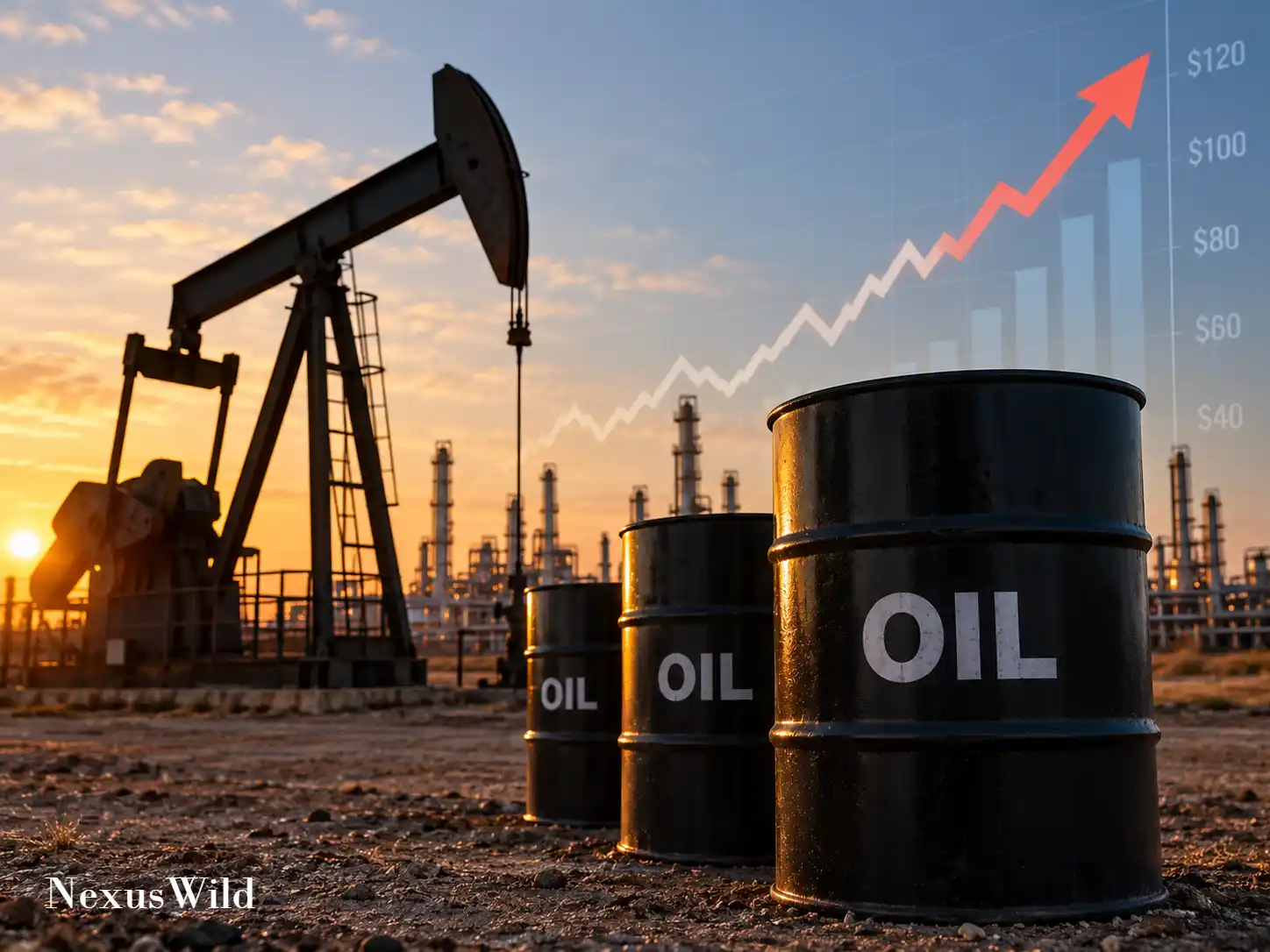
India's exposure to oil price volatility is structural: the country imports the large majority of its crude oil requirements, meaning even moderate price increases translate quickly into a higher import bill, pressure on the current account, and downstream cost increases across transport-dependent sectors. Global crude benchmarks have shown significant volatility through 2026. Brent crude, after trading well above 100 dollars a barrel earlier in the year amid supply concerns, settled at 104.61 dollars a barrel on September 12, 2026, having briefly touched levels near 107 to 109 dollars earlier that week amid escalating tensions and maritime transit concerns in the Middle East, according to market pricing data reported at the time. US West Texas Intermediate crude settled at 100.05 dollars a barrel on the same date.
For Indian industry, higher crude prices raise input costs directly for sectors reliant on petroleum-based raw materials and indirectly through higher transportation and logistics expenses that touch nearly every part of the manufacturing and agricultural supply chain. CII has specifically flagged tomato, onion and potato crops as significant contributors to food price volatility during periods of elevated fuel and fertilizer costs, and has called for measures including early release of buffer stocks, use of the Price Stabilisation Fund ahead of lean agricultural seasons, and stronger action against hoarding and speculative trading to manage this risk.
Interest Rate Risks and Monetary Policy Context
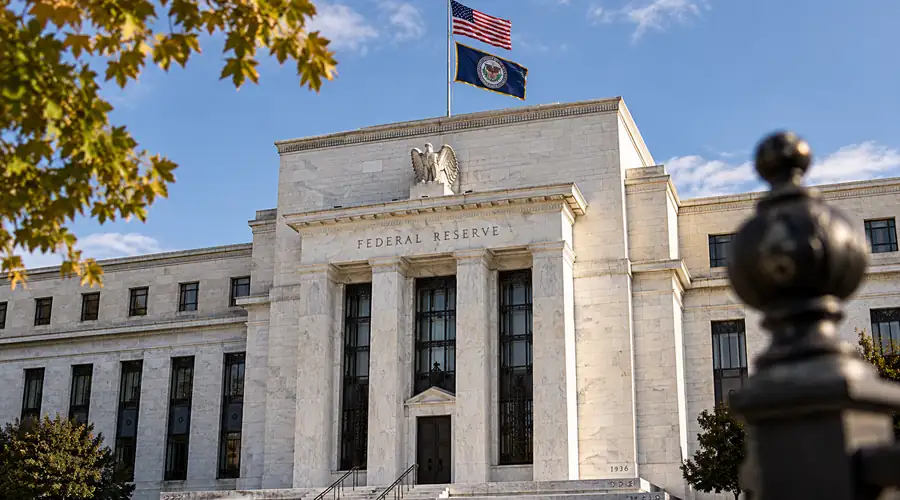
Alongside oil prices, CII's commentary has pointed to the risk that sustained inflationary pressure could constrain the Reserve Bank of India's ability to keep interest rates low, potentially slowing the industrial recovery currently under way. The RBI itself has acknowledged this risk directly in its own policy communication, projecting CPI inflation for 2026-27 at 4.6 percent with risks tilted to the upside, citing potential spikes in global fuel and commodity prices as a key factor, even as it noted India's growth was running at a robust 7.6 percent with headline inflation at 2.1 percent at the time of that assessment.
The RBI held its benchmark repo rate unchanged at 5.25 percent through August 2026, marking the fourth consecutive policy meeting without a change. However, pressure for a shift in stance has been building: a research report from the State Bank of India in September 2026 recommended that the RBI raise its benchmark rate by 25 basis points at its October meeting and again in December, citing persistent external shocks, elevated crude oil prices and signs of broader inflationary pressure. The RBI's Monetary Policy Committee is next scheduled to meet October 5 to 7, 2026.
Impact on Indian Industry
For Indian businesses, the combination of oil-driven input cost pressure and the possibility of higher borrowing costs represents a dual risk. Higher interest rates increase the cost of financing for working capital, expansion and new investment, potentially dampening corporate capital expenditure plans at a time when CII's own quarterly Business Confidence Index surveys have shown periods of improving sentiment tied partly to expectations of rate cuts rather than hikes. A shift toward higher rates, driven by oil-linked inflation risk, could therefore work against the investment momentum industry has been counting on.
CII has also pointed to India's continued reliance on imported hydrocarbons as a structural weakness that will take years to address even with accelerating efforts toward electrification, meaning the economy's vulnerability to global oil price shocks is unlikely to diminish quickly regardless of near-term policy responses.
Broader Economic Implications
Beyond the immediate cost pressures on industry, sustained high oil prices carry wider macroeconomic consequences for India, including pressure on the current account deficit, since the country's substantial daily crude import volumes mean that a sustained price increase can add meaningfully to the annual import bill and place downward pressure on the rupee. This currency effect can, in turn, compound imported inflation, creating a feedback loop that further complicates the inflation and monetary policy picture CII has warned about.
For long-term resilience, CII has proposed measures including expansion of cold-chain infrastructure, improved transport systems, and stronger farmer-to-consumer market linkages through Farmer Producer Organisations, alongside a dedicated mission for climate adaptation in agriculture supported by weather intelligence tools and better crop pricing mechanisms.
Conclusion
CII's warnings reflect a consistent theme in its economic commentary through 2026: that oil price volatility and the associated risk of tighter monetary policy represent significant, interlinked threats to Indian industry's cost base and investment plans. With Brent crude trading above 100 dollars a barrel in September 2026 and at least one major domestic research house recommending the RBI raise rates in response to inflationary pressure, the risks CII has flagged remain live considerations for policymakers as the central bank's Monetary Policy Committee prepares to meet in early October.
Further reading and useful links
Reader questions
Frequently asked questions
How do rising crude oil prices impact India's inflation according to CII?
CII's economic analysis estimates that a 10-dollar increase in crude oil prices can add approximately 30 basis points to India's inflation rate, primarily through higher transport and raw material costs.
Which businesses are most vulnerable to these cost pressures?
Smaller businesses are disproportionately affected as they typically lack the balance-sheet strength of larger companies to absorb sudden input cost increases.
How might the RBI respond to oil-driven inflation risks?
While the RBI has held its repo rate steady through August 2026, research entities like SBI have recommended rate hikes, and CII warns that persistent inflation pressure could force the RBI to raise borrowing costs, potentially slowing industrial recovery.
Nexuswild welcomes factual corrections. Email [email protected] with evidence and the article URL.