
The Group of Seven (G7) foreign ministers have issued a warning about Chinas maritime and military activities east of Taiwan highlighting concerns over regional stability, freedom of navigation and the safety of international shipping. The statement followed a meeting of G7 ministers in Paris on November 9–10, 2026 under Frances presidency of the group.
The November 11 declaration reflects continuing concern among industrialized economies about security developments in the Indo-Pacific. It also places renewed attention on the waters surrounding Taiwan, an area with considerable importance for international trade, maritime transportation and the global technology industry.
G7 Raises Concerns Over Maritime Security
In their declaration G7 foreign ministers expressed concern about Chinas activities in waters east of Taiwan warning that such developments could threaten regional stability, freedom of navigation and the safety of international shipping.
The ministers also reiterated their opposition to attempts to change the existing regional status quo through force or coercion.
The declaration reflects a diplomatic position among G7 members, including the United States, Canada, Japan, the United Kingdom, France, Germany and Italy alongside the European Unions participation in the groups work.
Although G7 members have previously expressed concerns about developments around Taiwan the latest statement places emphasis on maritime activities east of the island and their implications for wider regional security.
Chinas Military and Coast Guard Activities
China has increased its maritime and military presence around Taiwan in years combining naval operations, military exercises and Coast Guard patrols.
The waters east of Taiwan are strategically important because they connect the island to the Pacific Ocean. They also represent a maritime corridor for international shipping and potential external supply routes.
Chinese naval and Coast Guard operations have attracted attention from security analysts because of their possible implications for Taiwans ability to maintain access to international maritime routes during a serious security crisis.
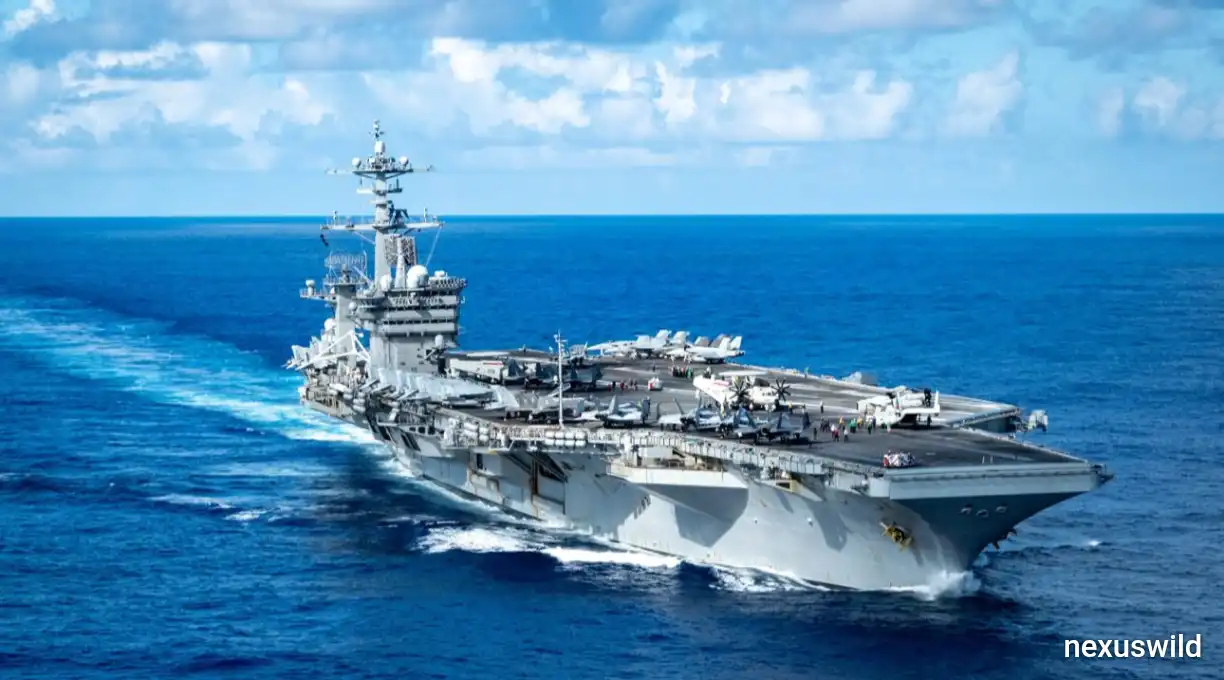
Military exercises involving formations and aircraft carriers have also contributed to regional concerns. However the interpretation of these activities as preparations for encirclement or blockade scenarios remains an assessment rather than an independently established operational conclusion.
Beijing maintains that Taiwan is part of China and considers issues concerning the island a matter. The Chinese government has not renounced the use of force to achieve unification.
Taiwan Welcomes the G7 Declaration
Taiwan welcomed the G7s position emphasizing the importance of attention to stability across the Taiwan Strait and the surrounding Indo-Pacific region.
For Taipei the declaration represents support for maintaining regional stability and opposing unilateral changes to the status quo.
Taiwans geographic position makes access particularly important for its economy. International shipping routes support the movement of energy resources, industrial components, consumer goods and semiconductor-related products.
Any prolonged disruption to these routes could create challenges for Taiwan and businesses that depend on its manufacturing ecosystem.
Beijing meanwhile has consistently opposed diplomatic involvement in Taiwan-related matters. Chinese officials have rejected criticism of their activities around the island and maintain that their operations fall within Chinas sovereignty claims.
Why the Waters East of Taiwan Matter to Global Trade
The security situation around Taiwan has implications beyond the region.
The island is a part of the global semiconductor industry particularly in advanced logic chip manufacturing. Its manufacturing ecosystem supports technology companies, electronics producers, automotive manufacturers and data infrastructure businesses worldwide.
A prolonged maritime disruption or military confrontation could affect the movement of semiconductor-related materials, industrial equipment and finished products.
The consequences could extend across industries:
Semiconductor manufacturing: Companies dependent on Taiwan-based fabrication capacity could face production uncertainty, delivery delays and pressure to diversify manufacturing locations.
Shipping: Shipping companies may need to reassess operational risks, route planning and contingency arrangements if regional tensions escalate.
Energy transportation: Disruptions affecting Western Pacific maritime corridors could complicate energy transportation and regional supply planning.
Technology companies: Electronics manufacturers, cloud infrastructure providers and hardware businesses could face uncertainty around component availability and procurement costs.
These are consequences of a serious escalation, not evidence that the G7 declaration itself has caused immediate supply-chain disruptions.
Business and Investment Implications
The latest diplomatic statement reinforces the importance of risk assessment for companies operating across the Indo-Pacific.
International manufacturers have increasingly considered diversification, alternative suppliers and additional production capacity as part of their supply-chain resilience strategies.
For semiconductor companies this includes evaluating manufacturing exposure across Taiwan, South Korea, Japan, the United States and other production locations.
Shipping and logistics businesses also monitor developments when assessing insurance exposure, maritime routes and operational continuity.
However actual changes in freight rates, insurance premiums and investment decisions would require market evidence. The diplomatic declaration alone does not establish that these costs have increased.
What Happens Next?
The immediate focus will be on whether diplomatic exchanges between G7 members and China intensify and whether maritime activity around Taiwan changes following the declaration.
Regional governments will continue monitoring exercises Coast Guard patrols and developments affecting international shipping.
For businesses the central concern remains the resilience of supply chains that depend on access to East Asian manufacturing and maritime transportation networks.
The G7 declaration does not itself indicate a military confrontation. Instead it demonstrates that Taiwan-related maritime security remains an issue in international diplomacy and global economic risk management.
The G7s November 11 declaration highlights growing attention to Chinas maritime activities east of Taiwan. By connecting security concerns with freedom of navigation and international shipping the statement emphasizes the wider economic importance of stability in the Indo-Pacific.
For businesses the issue extends beyond diplomacy. Taiwans semiconductor manufacturing ecosystem and the regions maritime trade connections make developments around the island relevant to technology production, logistics and international supply-chain planning.
The next developments in military activity, diplomatic relations and maritime security will remain important indicators for governments, investors and companies with exposure to the Indo-Pacific.
What to Watch: Future G7 statements, Chinas maritime operations around Taiwan, Taiwans defense coordination with international partners and any independently reported changes, in regional shipping or semiconductor supply chains.
Nexuswild welcomes factual corrections. Email contact@nexuswild.com with evidence and the article URL.