
Japan is considering a defence budget of ¥50 trillion to ¥60 trillion for the five years starting April 2027. This proposal comes from the Finance Ministry. Could affect major military purchases. The amount is higher than the ¥43 trillion plan but still falls short of the ¥80 trillion some defence officials and ruling party members had hoped for.
This gap shows a growing challenge for Prime Minister Sanae Takaichis government. On one side there is pressure to strengthen Japans military. On the other there are competing demands for spending and concerns about national finances.
The ¥50–60 trillion figure is not yet approved. It is a proposal under discussion. The final number will depend on negotiations and the overall budget process.
The current defence plan runs from 2023 to 2027. Targets ¥43 trillion in spending. It was designed to modernise Japan’s defence in response to rising security concerns. The new proposal would increase spending. Not as much as some had expected.
The difference between the ¥50–60 trillion proposal and the ¥80 trillion idea could impact how fast and how large Japan’s military upgrades become. Defence planners may need to prioritise projects. They might also delay purchases. Find other ways to fund key systems.
One of the concerns is the impact on missile and F-35 aircraft orders. According to Reuters Japanese officials have told defence contractors that planned purchases of some missiles and aircraft could be cut by up to half. This includes the US-made F-35 fighter jets.
Japan operates both the F-35B variants. These aircraft are central to modernising Japan’s air force. They also support cooperation with the United States on defence technology, training and military operations.
Long-range missiles are another part of Japan’s defence strategy. The country has been developing stand-off weapons to improve deterrence. These systems allow Japan to respond to threats from a distance.
The potential reductions are not confirmed cancellations. The final number of aircraft, missile systems and other equipment will depend on the approved budget and future procurement decisions.
Domestic defence companies could feel the effects of this uncertainty. Major Japanese firms like Mitsubishi Heavy Industries, Mitsubishi Electric and Kawasaki Heavy Industries play a role in manufacturing. They make parts for aircraft, electronics, naval systems and more.
If procurement plans are scaled back it could disrupt production schedules and investment plans. The impact will vary by company and programme. Not all defence contractors rely on one type of order. The results depend on which projects get funded and whether orders are delayed or cancelled.
International suppliers could also be affected. US companies involved in F-35 production and related equipment may see changes in demand if aircraft orders are reduced.
For investors it is important to know that a planned cut is not the same as a cancelled contract. Companies may still get revenue from existing orders, maintenance and past agreements.. Future growth could be slower if orders shrink.
Fiscal priorities are making defence expansion harder. Prime Minister Takaichi’s government wants to boost growth and support domestic industries. It is also considering lowering the consumption tax on food.
Reuters reported that reducing the food tax could cost the government about ¥4.3 trillion annually. That means finding new revenue sources becomes essential.
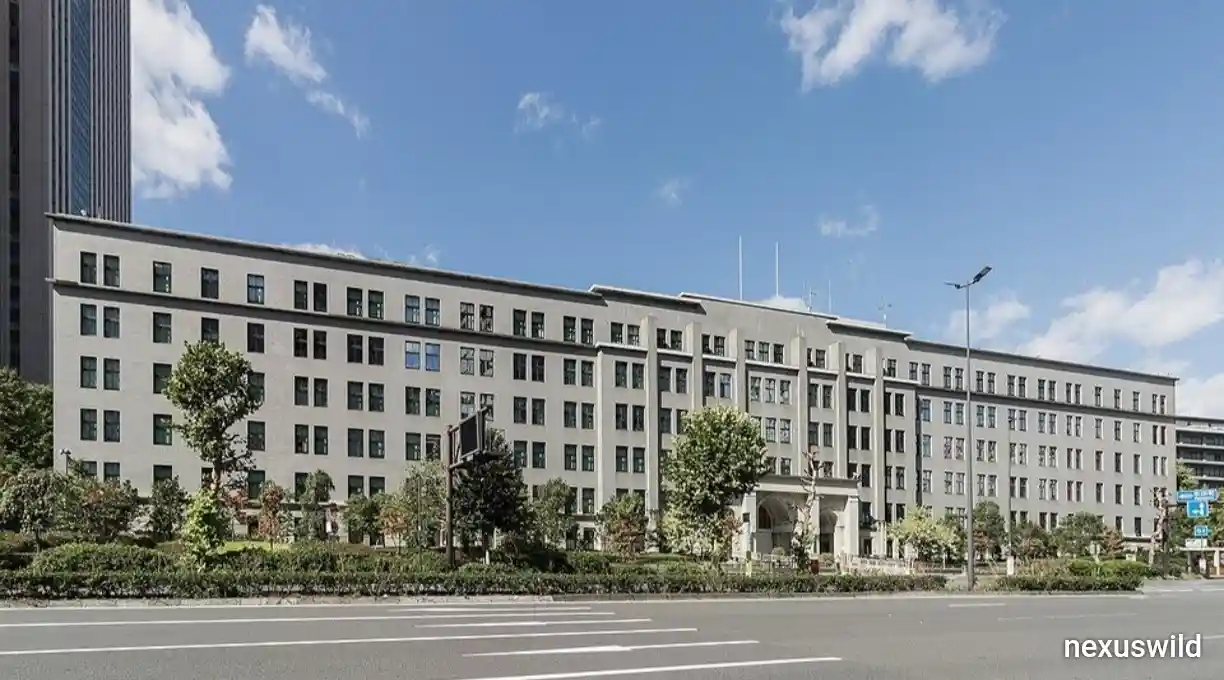
The Finance Ministry argues that a larger defence budget would be hard to support with these other spending needs. This debate shows how Japan must balance spending with economic and social priorities.
A stronger defence budget could mean taxes, fewer public services or delays in defence purchases. Each option has political consequences.
Another factor is the yen. A weaker yen makes imported equipment more expensive. This is especially true for US-made systems like aircraft, missiles and technology.
Even if Japan buys the number of items a weaker yen means more Japanese yen is needed to pay for them. This adds pressure to a difficult budget situation.
Currency changes also complicate long-term planning. Defence projects often span years. Involve multi-year contracts. Exchange rate shifts can affect costs over time.
Political discussions will decide the plan. The ¥50–60 trillion proposal is likely to face pushback from lawmakers who think Japan needs defence spending.
Some members of the ruling Liberal Democratic Party argue the proposed amount is not enough for Japan’s security needs. The debate is happening as the government prepares to update its national security strategy and set the five-year defence plan.
Finance Minister Satsuki Katayama said the advisory panel has not yet examined the details of the spending levels. That means the current number should still be seen as part of talks.
The final decision will come from discussions among the Finance Ministry, Defence Ministry the minister’s office and lawmakers in the ruling party.
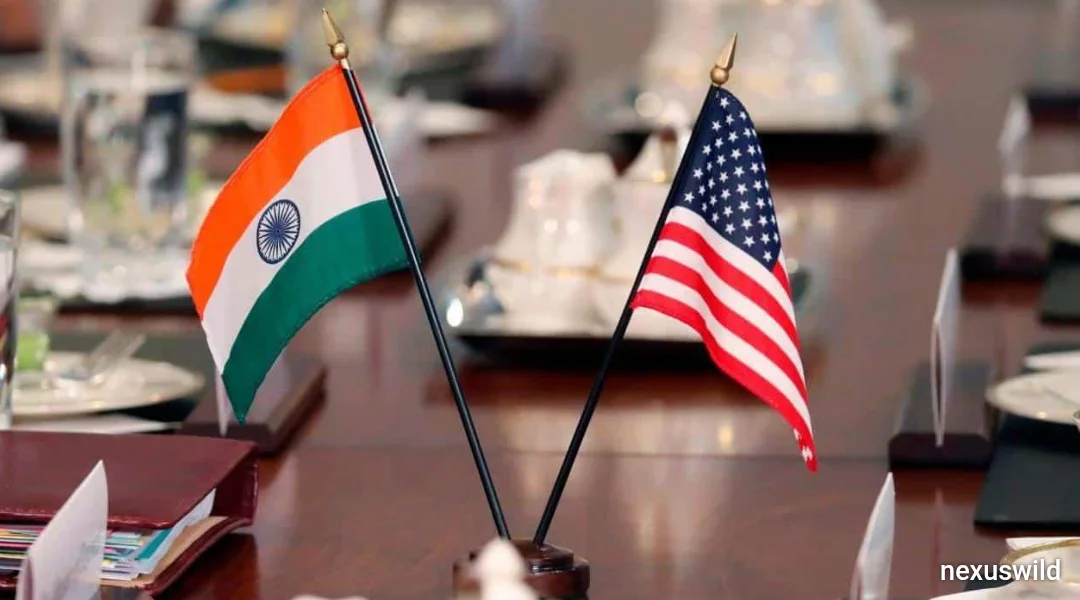
Japan’s defence choices affect US-Japan defence cooperation. The United States is a supplier of military equipment to Japan. The two countries work closely on technology, training, logistics and regional security.
Any big change in F-35 orders could affect expectations in the aerospace industry.. The broader US-Japan relationship includes many other areas. A shift in one programme does not mean a breakdown in cooperation.
The final defence budget will shape how much Japan spends, when it buys equipment and how fast it grows its capabilities.
What should investors and defence suppliers watch for? The next steps in Japan’s budget process will be important for companies involved in the defence market.
Key things to monitor include:
- The five-year defence spending amount.
- Changes in planned F-35 and missile purchases.
- Decisions on domestic defence manufacturing and research.
- Exchange-rate changes affecting imports.
- How existing contracts and future maintenance spending are handled.
- Any shifts in how Japan funds its defence.
For manufacturers the main question is whether procurement cuts change new contracts or just delay future orders.
For US suppliers the number and timing of aircraft and missile purchases will still be key signs of future demand.
Japan is trying to balance security needs with responsibility. The proposed ¥50–60 trillion range is a step up from today’s spending. It does not meet all expectations.
Potential cuts in missile and F-35 orders show how budget limits can affect modernisation.
The outcome is still uncertain. Japan’s government must weigh defence needs against demands, currency issues and the need to keep public finances stable.
The big question, for everyone involved is not just whether Japan will spend more on defence. It is how much will be approved, which programmes will get priority and how the procurement timeline will shift.
Nexuswild welcomes factual corrections. Email contact@nexuswild.com with evidence and the article URL.