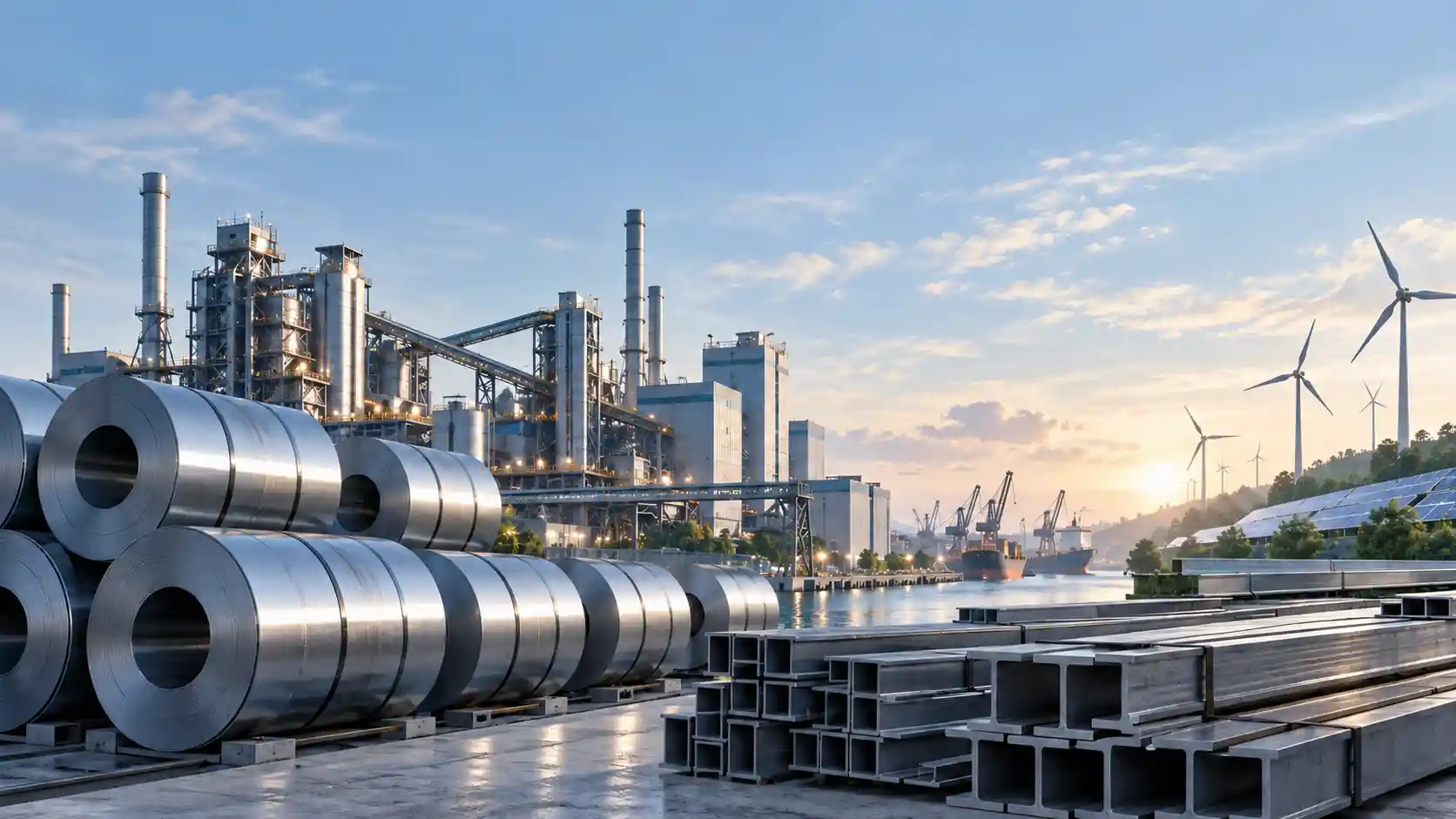

Steel is the indispensable skeleton of the modern global economy. From the rebar inside high-speed rail networks to the ultra-high-strength alloys in electric vehicles and wind turbines, global steel consumption is a reliable barometer for industrial health.
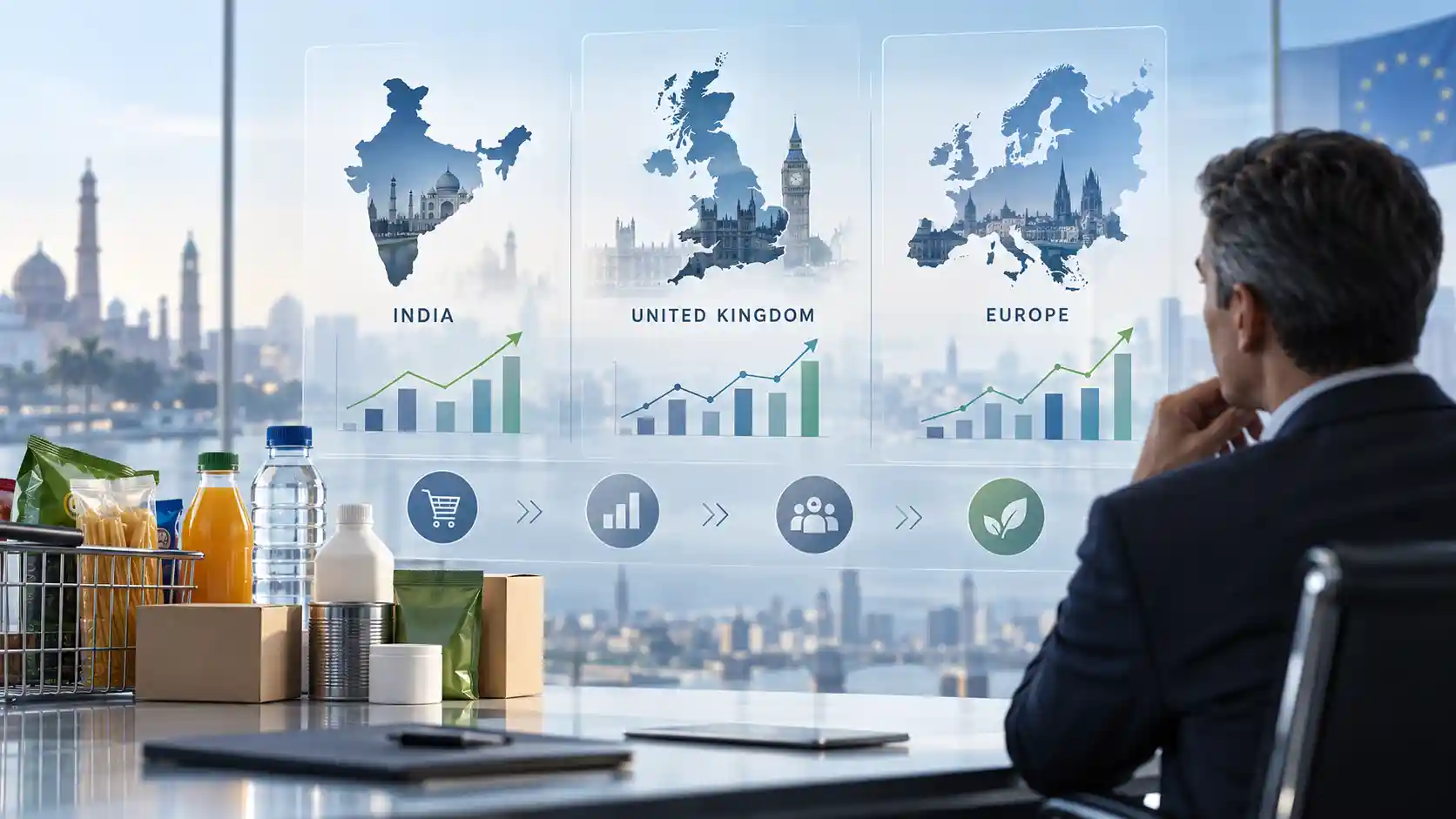
However, as we move through the third quarter of 2026, the global steel market has fractured into a multi-speed environment. Analysts and commodity researchers are tracking three distinct, simultaneous narratives: the rapid infrastructure-fueled demand explosion in India, a structural slowdown and subsequent export surge from China, and Europe’s aggressive, expensive pivot toward decarbonized "green steel."
For commodity investors, manufacturers, and policymakers, understanding these divergent regional dynamics is critical. The era of a synchronized global steel cycle has ended, replaced by localized challenges involving trade protectionism, volatile raw material costs, and strict new carbon regulations.
The Global Steel Landscape in 2026
The global steel industry is currently navigating a period of moderate overall growth, masking intense regional volatility. According to short-range outlooks from the World Steel Association (worldsteel) updated for 2026, global steel demand is stabilizing in the range of 1.85 billion to 1.9 billion tonnes.
This macro stability is deceiving. Underneath the headline figures, traditional growth engines are sputtering while new ones roar to life. High interest rates across North America and Europe have kept a lid on private commercial construction, while the global manufacturing purchasing managers' index (PMI) has shown uneven recovery. Consequently, the fortunes of the world's largest steelmakers are increasingly tied to their geographic exposure.
China’s Export Surge and Global Pricing Pressures
Any analysis of the global steel market must begin with China, which produces more than half of the world's steel. Throughout 2025 and into 2026, China's prolonged property sector crisis has structurally depressed its domestic demand for long steel products, which are primarily used in construction.
Faced with massive domestic overcapacity, Chinese mills have aggressively redirected their output to the international market. This surge in exports has flooded markets in Southeast Asia, the Middle East, and Latin America. By offering flat and long products at heavily discounted rates, Chinese exporters have effectively placed a ceiling on global steel prices, squeezing the profit margins of domestic producers in importing countries.
While Beijing has introduced targeted stimulus measures to support its manufacturing and infrastructure sectors, these have not fully offset the void left by the real estate slump. As a result, managing the influx of cheap Chinese steel has become the top policy priority for trade ministries worldwide.
India: The Unrivaled Growth Engine
In sharp contrast to China, the Indian steel market is experiencing a historic boom. Driven by the government’s relentless capital expenditure push into infrastructure - including expansive highway networks, dedicated freight corridors, and new airport terminals - India remains the fastest-growing major steel market in the world.
According to industry data for 2026, Indian steel demand is growing at a robust 7% to 8% annually. Beyond government infrastructure, a resurgent automotive sector and expanding consumer durables manufacturing are driving fierce demand for high-grade flat steel.
To meet this appetite, major domestic players such as Tata Steel, JSW Steel, and ArcelorMittal Nippon Steel India (AM/NS India) are executing massive brownfield and greenfield capacity expansions. However, despite record domestic production, India's consumption is so voracious that the country has periodically emerged as a net importer of steel in recent quarters, a vulnerability exacerbated by the influx of predatory pricing from neighboring Asian markets.
The Green Steel Revolution and Decarbonization
While Asia focuses on capacity and volume, Europe and North America are consumed by the challenge of decarbonization. Traditional steelmaking relies on blast furnace-basic oxygen furnace (BF-BOF) routes, heavily dependent on coking coal. This process makes the steel sector responsible for roughly 7% to 9% of total global greenhouse gas emissions.
In 2026, the transition to "green steel" is no longer a theoretical sustainability goal; it is a regulatory mandate. The European Union’s Carbon Border Adjustment Mechanism (CBAM) has entered a more punitive operational phase, functioning effectively as a carbon tax on imported steel.
To survive, major Western steelmakers are actively decommissioning legacy blast furnaces and investing billions in Direct Reduced Iron (DRI) facilities paired with Electric Arc Furnaces (EAFs). These new plants replace coal with natural gas - and eventually, green hydrogen - while relying heavily on recycled steel scrap. This technological pivot is fundamentally altering the raw material supply chain, sparking intense global competition for high-quality ferrous scrap.
Trade Barriers and the New Protectionism
The collision of China’s export surge and Europe’s carbon regulations has triggered a wave of new trade protectionism. Across the globe, governments are deploying anti-dumping duties, safeguard measures, and countervailing tariffs to protect their domestic steel sectors from cheap imports.
In the United States, Section 232 tariffs remain largely intact, insulating the domestic market and keeping U.S. hot-rolled coil (HRC) prices at a premium compared to global averages. In India, domestic steelmakers have actively lobbied the government for stronger safeguard duties against cheap shipments originating from Free Trade Agreement (FTA) nations and China, warning that unchecked imports threaten the financial viability of their ongoing capacity expansions.
What Industry Executives Are Saying
The boardroom sentiment across major steel producers reflects this geographical divide.
In India, the outlook is overwhelmingly bullish on volume but cautious on margins. T.V. Narendran, CEO and Managing Director of Tata Steel, has continually highlighted that India is entering a decade of steel-intensive growth, driven by unprecedented urbanization and infrastructure building. However, Indian executives consistently point to the threat of unchecked, low-priced imports as the primary headwind to profitability.
In Europe, the executive focus is firmly on the staggering capital expenditure required for the green transition. Leadership at ArcelorMittal and other European majors have emphasized that while the technology for zero-carbon steel exists, creating a commercially viable market requires cheap, abundant green electricity and strict enforcement of CBAM to ensure a level playing field against high-carbon imports.
Key Challenges and Raw Material Volatility
Looking ahead through the end of 2026, several operational challenges confront the industry. Raw material volatility remains a persistent headache. The prices of iron ore and metallurgical coal continue to fluctuate based on Chinese economic data and supply disruptions in Australia.
Furthermore, as the global industry shifts toward EAF technology, a structural deficit in premium steel scrap is emerging. Countries are increasingly treating steel scrap as a critical strategic resource, with dozens of nations implementing export restrictions to keep scrap at home for their own green steel transitions.
Conclusion
The global steel market in 2026 is a complex tapestry of diverging trends. The industry is effectively split between the high-growth, infrastructure-heavy demands of India and the Global South, and the capital-intensive, deeply regulated decarbonization push in the West. Above it all looms the massive shadow of China's production capacity. For steelmakers navigating this landscape, success no longer relies solely on maximizing output; it requires geopolitical agility, aggressive cost control, and a clear strategy to finance the greenest, most efficient production methods possible.
Comparison Table: Regional Steel Market Dynamics (Q3 2026)
| Region | Demand Trend | Key Market Driver | Major Industry Challenge |
|---|---|---|---|
| India | High Growth (7%–8%) | Infrastructure capex & automotive growth | Margin pressure from cheap regional imports |
| China | Stagnant/Declining | Government manufacturing stimulus | Real estate slump & massive structural overcapacity |
| Europe | Slow Recovery | Supply chain restocking & green mandates | High energy costs & massive decarbonization capex |
| United States | Moderate Growth | CHIPS Act & infrastructure spending | High interest rates dampening commercial construction |
(Data reflects market intelligence, analyst consensus, and global trade dynamics as of late 2026).
Further reading and useful links
Reader questions
Frequently asked questions
What is driving the growth of the steel market in India in 2026?
India's steel demand is growing at 7% to 8% annually, driven by relentless government capital expenditure in infrastructure, highway networks, automotive expansion, and construction.
Why is China exporting large volumes of steel globally?
A prolonged domestic property sector crisis has depressed Chinese real estate construction demand, leaving steel mills with massive structural overcapacity that they are redirecting to international markets.
What is green steel and why is Europe adopting it?
Green steel refers to steel produced with significantly lower carbon emissions - typically using Electric Arc Furnaces (EAF) and green hydrogen or natural gas instead of coking coal. Europe is adopting it to meet strict climate regulations and avoid penalties under the Carbon Border Adjustment Mechanism (CBAM).
What are the main operational challenges facing global steelmakers in 2026?
Key challenges include volatile raw material prices for iron ore and metallurgical coal, structural deficits in premium steel scrap for EAFs, and margin pressures from cheap Chinese imports.
Nexuswild welcomes factual corrections. Email [email protected] with evidence and the article URL.